

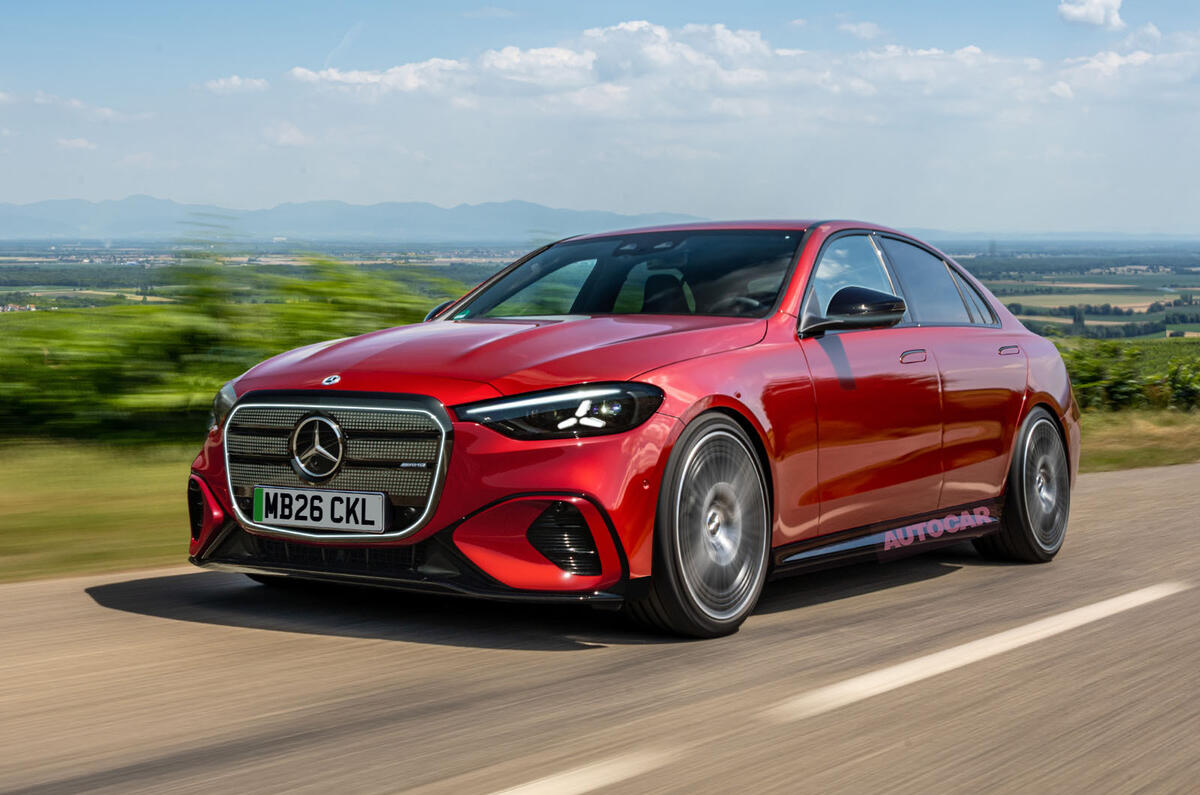
Mercedes-Benz is preparing for the official unveiling of its next-generation C-Class sedan after leaked details revealed significant updates to the vehicle’s design and technology. Industry reports indicate the upcoming model will feature enhanced software capabilities and electrified powertrains, reflecting a broader corporate push toward software-defined luxury vehicles.
Software-defined architecture and the MB.OS transition
The leaked specifications suggest the next C-Class will serve as a primary platform for the Mercedes-Benz Operating System, known as MB.OS. This software architecture aims to centralize vehicle functions, from infotainment to driver-assistance systems, into a unified digital environment.
This transition marks a shift in the C-Class’s lifecycle from a mechanical-first to a digital-first product. By controlling the software stack, Mercedes-Benz aims to create a recurring revenue model through digital upgrades and subscription-based services. This strategy mirrors a broader industry trend where vehicle value is increasingly tied to continuous software improvements rather than one-time hardware sales.
The development of MB.OS represents a fundamental move toward vertical integration within the Mercedes-Benz Group AG. Historically, automotive manufacturers relied on a fragmented network of dozens of independent Electronic Control Units (ECUs) provided by various Tier 1 suppliers. This decentralized approach often resulted in “black box” systems where the manufacturer had limited control over the software code, making deep integration and seamless over-the-air (OTA) updates difficult to implement. By developing its own end-to-end software stack, Mercedes-Benz intends to manage the entire digital value chain, from the underlying silicon to the user interface.
This centralized computing architecture is designed to facilitate more complex automated driving functions and highly personalized user experiences. As the company moves toward a software-defined vehicle (SDV) model, the ability to deploy features remotely will allow the C-Class to evolve throughout its operational life, potentially addressing the industry-wide challenge of rapid technological obsolescence in consumer electronics and automotive hardware.
Electrification and the transition from internal combustion
The upcoming iteration appears to move further away from traditional internal combustion engines. Reports from automotive observers suggest a heavy emphasis on plug-in hybrid (PHEV) and mild-hybrid configurations to meet tightening emissions standards in European and North American markets.
This move aligns with Mercedes-Benz’s long-term corporate goal to increase its electric vehicle portfolio. While the C-Class has historically relied on gasoline and diesel engines, the new model is expected to bridge the gap between traditional luxury sedans and the company’s fully electric EQ lineup. This hybridization strategy allows the manufacturer to satisfy current consumer demand for familiar driving dynamics while preparing the customer base for a total transition to electric mobility.
The focus on hybrid powertrains is a key component of the company’s “Electric First” strategy. This approach reflects a strategic refinement from the previous “Electric Only” ambition, acknowledging that the global transition to battery-electric vehicles (BEVs) will occur at different speeds depending on regional infrastructure, regulatory frameworks, and consumer readiness. By offering advanced plug-in hybrid options, Mercedes-Benz can navigate the varying requirements of the Euro 7 emissions standards in Europe and evolving EPA regulations in the United States.
The integration of these electrified powertrains is not merely a matter of compliance but a means of maintaining the brand’s performance standards. The use of mild-hybrid systems, in particular, allows for improved energy efficiency and smoother stop-start transitions, which are critical for maintaining the refinement expected in the premium sedan segment.
Competitive positioning in the premium compact segment
The release of the new C-Class comes as competition intensifies in the premium compact sector. The vehicle will face direct challenges from the BMW 3 Series and the Audi A4, both of which are also undergoing significant technological updates to address the rise of software-centric driving.
Market analysts suggest that Mercedes-Benz’s ability to balance advanced digital features with competitive pricing will be critical. As consumer demand shifts toward more connected and electrified options, the C-Class must demonstrate value through both mechanical performance and software sophistication to maintain its market share against both legacy competitors and emerging electric-only manufacturers.
The competitive landscape is currently defined by an “arms race” in software capabilities. While legacy manufacturers like BMW and Audi have long dominated the driving dynamics of the compact executive segment, the entry of highly digitized competitors has shifted the criteria for luxury. The C-Class must compete not only on chassis tuning and engine responsiveness but also on the latency of its voice recognition, the intuitiveness of its augmented reality navigation, and the reliability of its cloud-connected services.
Furthermore, the C-Class occupies a vital position in the Mercedes-Benz Group’s “Luxury First” strategy. While the company has increasingly focused its capital investments on “Top-End Luxury” segments—such as the S-Class, Maybach, and AMG lines—to drive higher profit margins, the C-Class remains a foundational volume driver. Successfully transitioning this high-volume segment to a software-defined, electrified platform is essential for maintaining the scale necessary to fund the company’s broader transition to an all-electric future.
Find more reporting in our Business section.