

Airbus has pushed back delivery of its ultra-long-range A350-1000ULR jets to Qantas by nearly two years, forcing the Australian carrier to wait until at least April 2027 for the first of its 12 ordered planes. The delay—caused by production bottlenecks, supply chain disruptions, and legal fallout from a 2009 crash—threatens to reshape global aviation routes and test Airbus’s ability to meet demand as competition intensifies.
Why Qantas’s Sydney-to-London Dream Is on Hold
Qantas’s ambition to offer direct, nonstop flights between Sydney and London—cutting travel time by up to four hours—hinges on the A350-1000ULR, a modified version of Airbus’s flagship plane equipped with an extra 20,000-liter fuel tank. With this upgrade, the aircraft can stay airborne for up to 22 hours, making it the only plane in the world capable of such ultra-long-haul routes. Currently, Qantas passengers must break their journey in Singapore, adding hours and complexity to the trip.

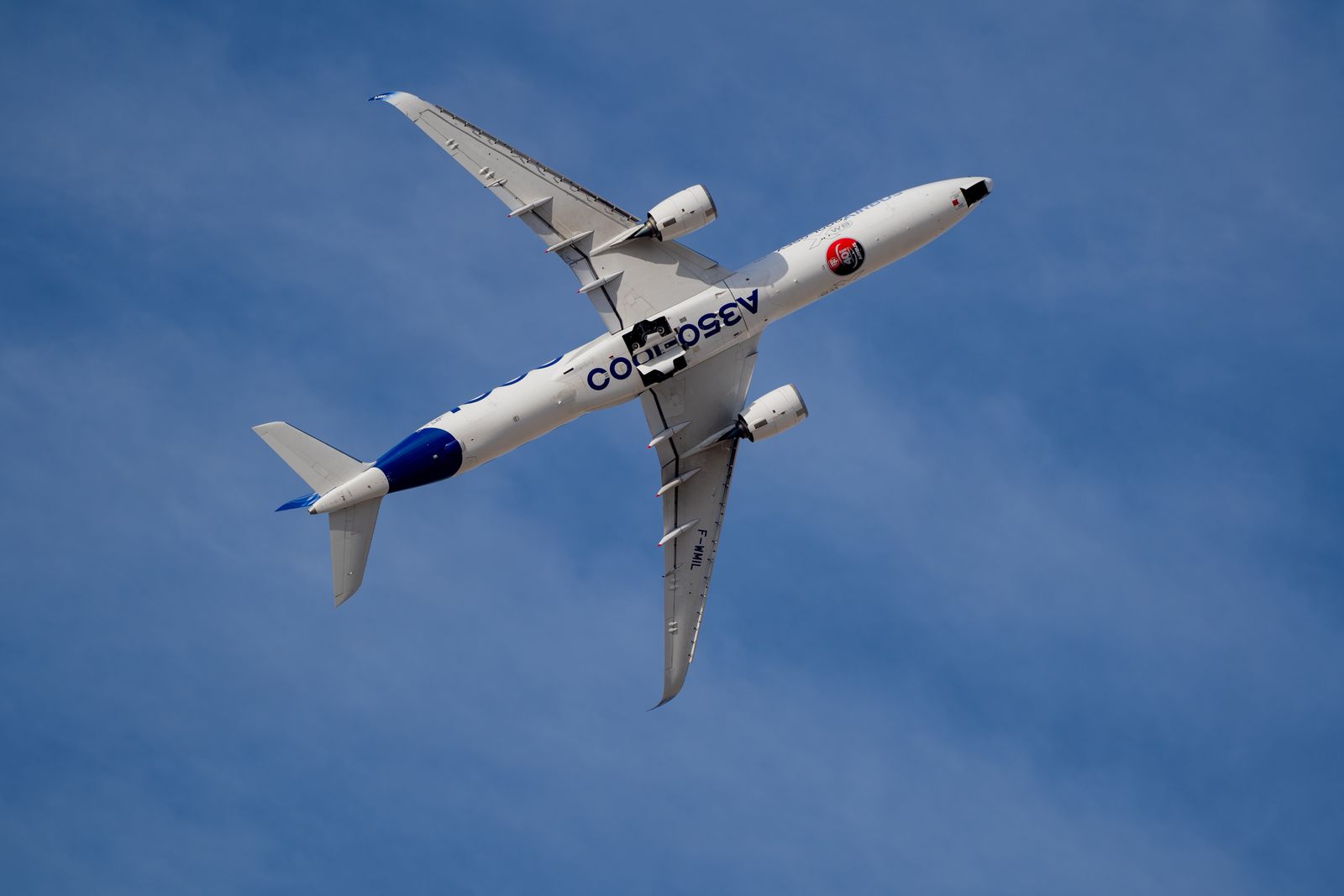
But Airbus’s ability to deliver these planes on time has been undermined by a cascade of challenges. According to Spiegel, the delay stems from persistent production issues, including problems with aircraft components like cargo doors and engine parts. These bottlenecks have forced Airbus to revise its timeline, pushing the first delivery from Qantas’s original expectation to April 2027.
The stakes are high: Qantas’s direct Sydney-London route would be a game-changer for the airline industry, offering unparalleled convenience for passengers and potentially reshaping global air travel networks. But with the A350-1000ULR now slipping further into the future, Qantas must reconsider its plans—or find another way to compete.
Production Chaos: How Airbus’s Supply Chain Is Breaking Down
Airbus’s troubles extend far beyond Qantas’s order. The company has faced a series of setbacks that have exposed deep flaws in its supply chain and production processes. As aero.de reports, the A350 program has been plagued by delays at every turn, from engine issues to seating problems and now cargo door production in Spain. These issues have not only slowed down the assembly line but also raised questions about Airbus’s ability to scale production to meet global demand.
One of the most significant disruptions has been the impact of Boeing’s acquisition of Spirit AeroSystems, a key supplier for Airbus. When Boeing reacquired Spirit, it created a ripple effect: many skilled workers left Airbus to join Spirit at Boeing, further straining Airbus’s already stretched resources. The integration of Spirit’s operations into Airbus’s supply chain has been slow, leaving critical gaps in production.
Meanwhile, Airbus’s plans to ramp up A350 production to 12 aircraft per month by 2028 remain uncertain. The company’s ability to meet this target will hinge on resolving these supply chain issues and ensuring that quality control does not suffer as output increases.
Legal and Financial Fallout: Airbus’s Double Whammy
Airbus’s problems are not just operational—they are also legal and financial. In a landmark ruling, a Paris court recently convicted Airbus of criminal negligence in the 2009 crash of Flight AF447, which killed 228 people. While the verdict does not directly impact the A350 program, it has sent shockwaves through the company, raising concerns about safety protocols and risk management across its operations.

As IT Boltwise notes, the legal fallout has intensified investor anxiety, particularly as Airbus faces ongoing scrutiny over its production delays and quality control. The company’s stock has shown volatility, reflecting market uncertainty about its ability to deliver on its promises. With Airbus’s market capitalization at €131.8 billion as of May 2026, the company’s reputation—and its bottom line—are on the line.
The AF447 verdict has also forced Airbus to re-examine its technical documentation and compliance processes, adding another layer of complexity to an already strained production environment. While the company maintains that the A350 program remains on track, the legal and operational challenges are testing its resilience.
What’s Next for Airbus and Qantas?
The delay to Qantas’s A350-1000ULR deliveries is a stark reminder of the risks inherent in pushing the boundaries of aviation technology. For Qantas, the question now is whether to wait for the ultra-long-range jets or pivot to alternative strategies, such as upgrading existing fleets or exploring partnerships with other aircraft manufacturers.
Airbus, meanwhile, faces a critical juncture. The company must demonstrate that it can resolve its production issues and deliver on its promises to customers like Qantas. Failure to do so could erode trust in its ability to innovate and lead in the aviation sector. The upcoming months will be pivotal: if Airbus can stabilize its supply chain and meet its 2028 production targets, it may yet salvage its reputation. But if delays persist, the consequences could be severe, not just for Qantas but for Airbus’s global standing.
One thing is clear: the aviation industry is watching closely. As competition heats up and passenger demand for ultra-long-haul flights grows, Airbus’s ability to deliver will determine whether it remains at the forefront of innovation—or falls behind.
For now, Qantas’s passengers will have to settle for a longer journey. But the dream of a direct Sydney-to-London flight is far from dead—it’s simply been postponed.
