
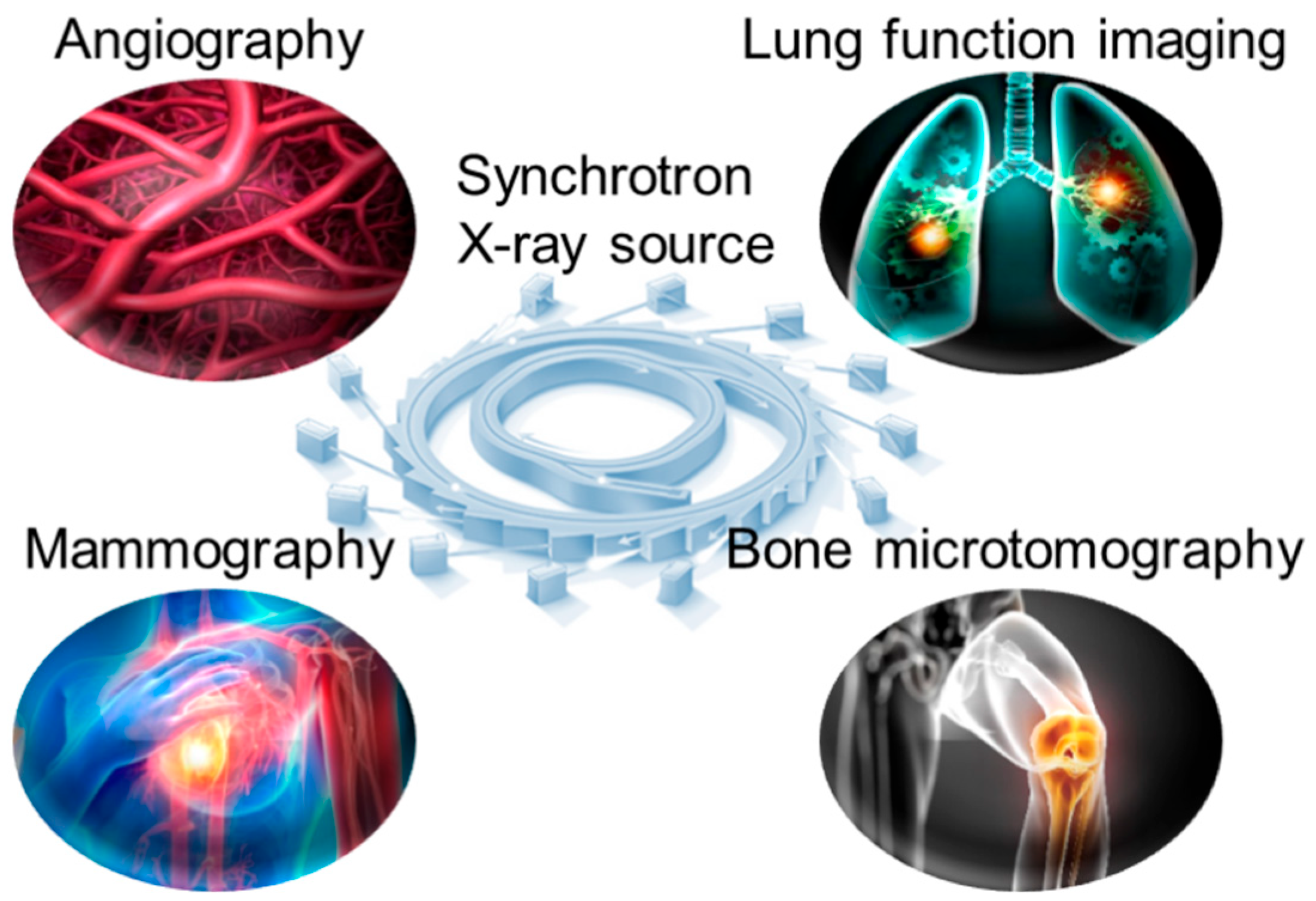
Scientists have identified preserved blood vessels inside the rib of a Tyrannosaurus rex fossil using synchrotron imaging, revealing mineralized structures that formed during healing after injury.
How the discovery was made
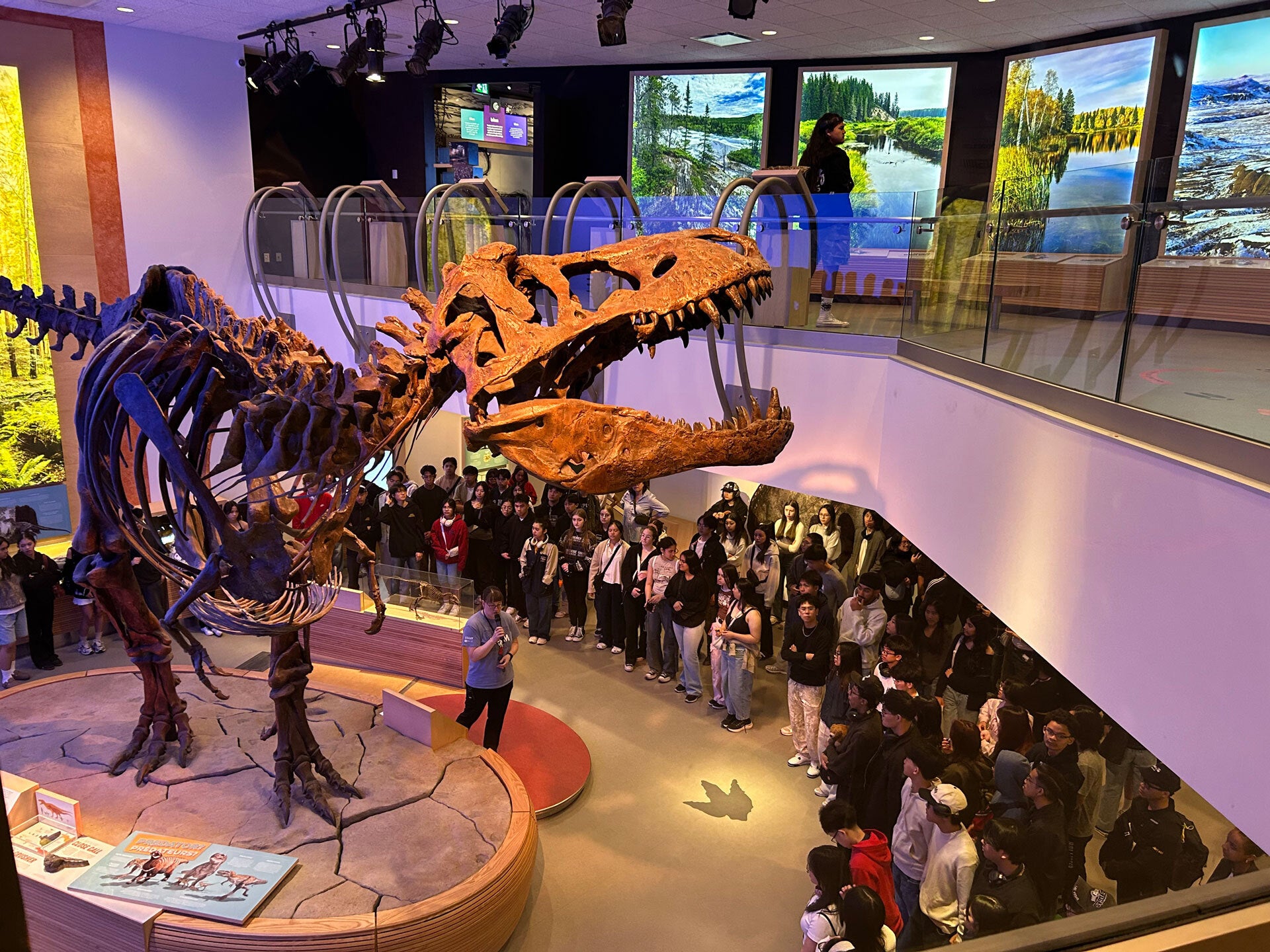
The vessels were found in Scotty, the largest and one of the most complete T. Rex specimens ever discovered, housed at the Royal Saskatchewan Museum in Canada. Researchers used high-intensity synchrotron light from a particle accelerator to peer inside the dense fossil bone without damaging it, allowing them to visualize and chemically analyze the internal structures. This method overcame the limitations of standard CT scans, which cannot penetrate the mineralized density of large dinosaur bones.
What the vessels tell us about T. Rex biology
The observed blood vessels form a dense network consistent with increased vascular activity during bone healing, suggesting the dinosaur survived a significant rib injury — possibly from combat or disease — and underwent biological repair processes similar to those in modern vertebrates. This provides direct evidence of physiological responses to trauma in a non-avian dinosaur, moving beyond skeletal morphology to infer soft tissue biology and life history.
Why this changes paleontological methods
For decades, the search for original organic material in fossils has focused on elusive targets like DNA, which has not survived deep time. This finding demonstrates that other soft tissues, such as blood vessels, can persist in mineralized form and be detected using advanced imaging techniques. It shifts the focus toward viable alternatives for understanding dinosaur physiology, growth and behavior without relying on molecular preservation that may not exist.
Can this technique be used on other fossils?
Yes, the researchers note that synchrotron imaging is applicable to other dense fossil specimens where conventional methods fail, opening the door to similar analyses across museums and research facilities with access to particle accelerator facilities.
Does this mean we will find dinosaur DNA soon?
No, the study does not claim or suggest the recovery of dinosaur DNA; it emphasizes that although DNA has not survived, other soft tissue structures like blood vessels can persist and be studied through physical and chemical imaging approaches.
