Samsung Electronics faces its largest labor strike in company history as approximately 48,000 to 50,000 employees prepare to walk out starting May 21, 2026. The unrest stems from disagreements over bonus structures following a massive spike in semiconductor profits fueled by the global artificial intelligence boom.
The Multi-Billion Dollar Cost of Labor Unrest
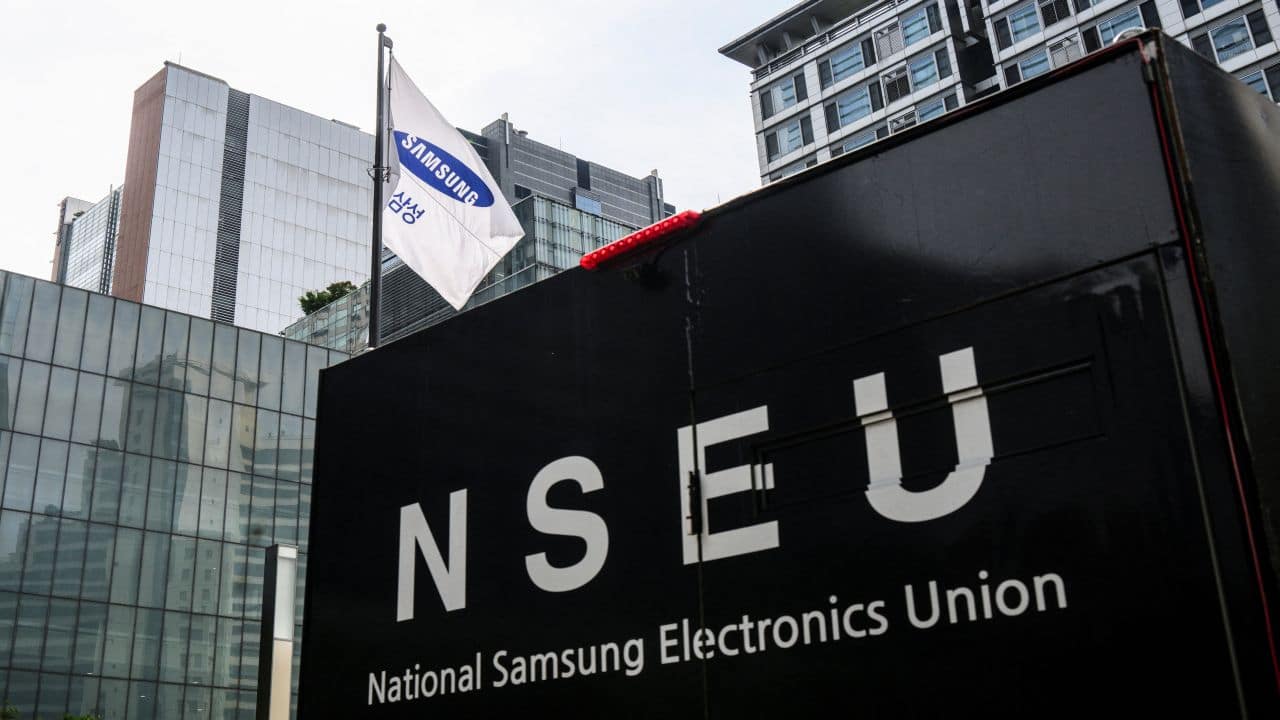
National Samsung Electronics Union
The financial stakes of this industrial action are difficult to overstate. A prolonged work stoppage could result in staggering losses for the tech giant. According to Kursors.lv, the total cost of the strike could reach as much as $66.7 billion.
This figure is driven by the intense sensitivity of semiconductor manufacturing. The economic impact is calculated based on several critical factors:
An estimated $2 billion loss for every single day the strike continues.
The necessity of shutting down production lines a full week before the strike begins.
A recovery period of two to three weeks required to fully restart operations once workers return.
If the National Samsung Electronics Union (NSEU) follows through with its plan to strike from May 21 through June 7, the company faces a direct hit to its bottom line at a time when market stability is paramount.
Disparity Between Semiconductor Profits and Worker Pay
cluster (priority): Kursors.lv
At the heart of the conflict is a profound disagreement over how to distribute the massive wealth generated by the recent artificial intelligence surge. While the company has seen extraordinary growth, workers argue they are being left behind.
The scale of the profit gap is stark. Kursors.lv reports that profits for Samsung Semiconductors surged by 4,800% in the first quarter of 2026. Despite this windfall, the union is fighting against existing corporate policies that cap employee bonuses at 50% of their annual salary.
The NSEU is demanding a complete overhaul of this compensation model. Rather than sticking to salary-based percentages, the union is calling for workers to receive 15% of the semiconductor division’s current operating profits.
Management has attempted to settle the dispute with high-value offers, but they have yet to satisfy the workforce. Samsung magazín reports that the company offered a one-time bonus of approximately $340,000 per person, but union members have dismissed this as insufficient when compared to the compensation packages at competing firms.
Legal Limits and the Production Paradox
Top 10 Labor Strikes In US History
The strike is not merely a battle of wills between labor and management; it is a complex legal struggle. A court in Suwon has issued a ruling that creates a significant hurdle for the union’s leverage.
As Samsung magazín notes, the court has ruled that while the union possesses the right to strike, the action must not disrupt production, compromise safety, or interfere with access to the facilities.
This ruling creates a production paradox for the striking workers. To exert maximum pressure on the company, a union typically needs to halt the very processes that generate revenue. However, if the legal framework prevents them from effectively stopping the assembly lines, the union’s ability to force a concession is diminished. If production continues uninterrupted, management may find it easier to maintain its current stance, arguing that the workers can survive without the requested profit-sharing increases.
Global Implications for the AI Supply Chain
cluster (priority): Samsung magazín
The consequences of this dispute extend far beyond the borders of South Korea. Because Samsung is a dominant force in the semiconductor market, any prolonged disruption to its manufacturing capabilities threatens the stability of the global technology sector.
The vulnerability of the global market is particularly acute in the memory chip sector. nra.lv highlights that Samsung’s components are essential components for smartphones, computers, servers, and the massive infrastructure required to power artificial intelligence.
A successful 18-day strike could trigger several ripple effects:
An intensification of the existing DRAM memory crisis.
Significant delays in the delivery of high-performance chips required for AI development.
Fluctuations in global stock markets as investors react to potential supply shortages.
As the South Korean government monitors the situation, the outcome of these negotiations will likely set a precedent for how the massive profits of the AI era are shared between the corporations that own the technology and the workers who manufacture the hardware.