
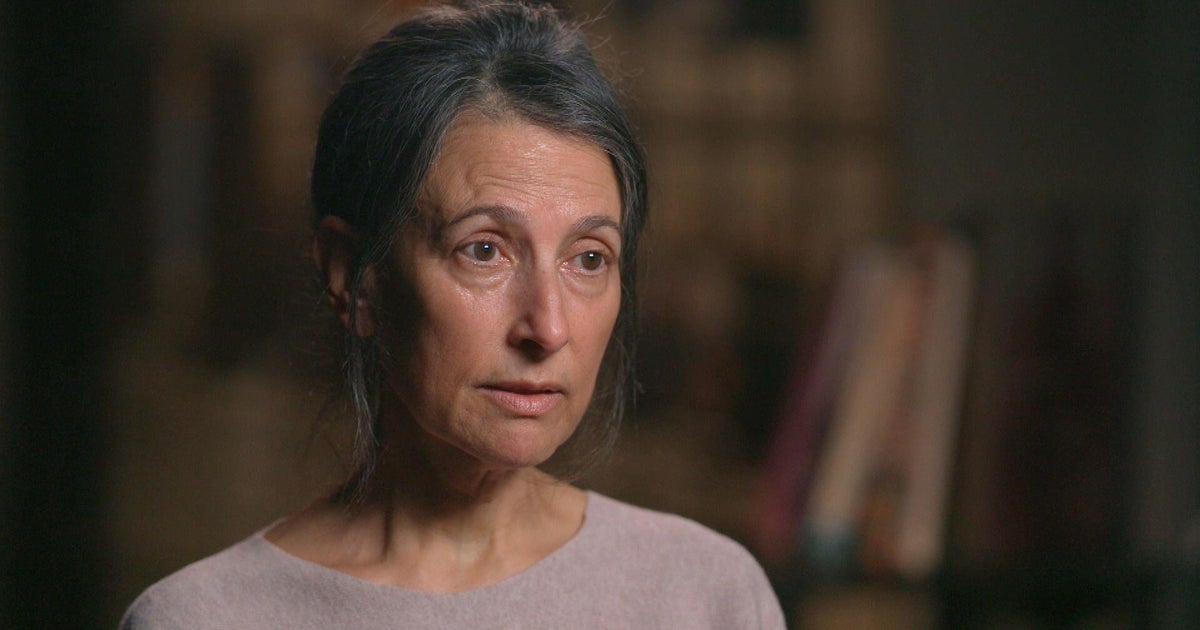
Rachel Goldberg-Polin stood on the Gaza border with a megaphone, shouting her son’s name into the smoke and dust, unaware that Hersh had already been killed that morning in a tunnel beneath her feet.
The timing was cruelly symmetrical: she had spent 330 days pressing governments, marching in streets, and plastering her shirt with numbered stickers marking each day of his captivity, only to learn he had died on the very day she stood at the fence screaming for him to hear her voice. Hersh Polin, 23, was taken hostage after surviving the Nova Music Festival massacre on October 7, 2023, where Hamas gunmen killed 378 people. Wounded by a grenade in a bomb shelter near Re’im, he was dragged into Gaza alongside three other young men who could not hide under bodies. For nearly eleven months, his parents waged a global campaign — meeting officials, appearing on television, refusing to let the world forget — while Hersh endured starvation, torture, and isolation in captivity.
On the morning of the 330th day, after a dream she described as chilling, Rachel woke to an IDF officer’s words: “We’re downstairs.” Hersh had been found in a Rafah tunnel with five other hostages, killed by gunfire after months in darkness. The news arrived just hours after she had stood at the border, her voice hoarse from shouting, her hope still intact because a Hamas propaganda video days earlier had shown Hersh speaking directly to his parents — proof, she said, that he was alive and aware of their fight.
That contradiction — the video that fueled her resolve arriving just before the confirmation of his death — became a defining tension in her grief. “Those 330 days had been the good part,” she told Anderson Cooper on 60 Minutes, “because he was alive.” The realization reframed her suffering: the anguish of not knowing had been preferable to the certainty of loss. Now, she said, she walks through a life missing a piece of herself, trying to reunderstand what it means to exist in a world where millions of parents have buried children, yet no one’s pain feels unique.
Hersh, she recalled, was “uncomplicated” — a quiet, kind boy whose presence felt fated. “The universe really knew what it was doing when it said, ‘Rachel’s gonna have one son, so this is the one for her.’” His texts from the bomb shelter at 8:11 a.m. On October 7 — “I love you,” then “I’m sorry” — were the last she ever received. In the shelter, his friend Aner Shapira threw back at least ten grenades before being killed; others took his place. Sixteen people died in that space. Hersh survived the initial blast but not the captivity that followed.
After his death, a former hostage told Rachel that Hersh had heard her voice in the media and knew about her efforts — a detail that brought her “some comfort in grief.” Despite warnings from other bereaved parents that she would “never be okay,” she chose to believe she could grow stronger. Her reflections turned toward coexistence: “We either figure out how to live near each other, or we will all die here together.” At the close of the interview, she shared a passage from Hersh’s ninth-grade diary: “Life is like the world; in order to exist, you have to move and work hard. Every so often you will reach a tunnel, enter the unknown, and you don’t grasp when you’ll come out.” The words, once a teenager’s metaphor, now echoed as prophecy.
How the family’s protest symbol evolved during the campaign
The Goldberg-Polins turned private anguish into public witness through a simple ritual: each day, they wore a sticker marking the number of days since Hersh’s abduction. What began as a personal tally became a visible emblem of the hostages’ families’ struggle, replicated by supporters worldwide. The stickers transformed grief into a measurable, relentless demand for action — a quiet countdown that turned private sorrow into political pressure.
What Hersh’s final messages revealed about his state of mind
His last texts — “I love you” followed by “I’m sorry” — were sent from inside a bomb shelter crowded with over two dozen people, moments after the attack began. The brevity and sequence suggest a young man prioritizing reassurance over fear, attempting to comfort his parents while absorbing the horror unfolding around him. The apology, unexplained, has lingered as a haunting fragment of his final conscious act.
Why the Hamas propaganda video intensified rather than diminished her resolve
Despite its cruelty, the video showing Hersh speaking to his family confirmed he was alive and aware of their efforts — a fact Rachel described as giving her “another bolt of adrenaline to keep going.” For families of hostages, proof of life, although brutal the context, is often the only thing that sustains advocacy; its arrival days before confirmation of his death created a cruel emotional inversion.
Did Hersh know about his parents’ campaign to free him?
Yes. After his death, former hostage Or Levi told Rachel that Hersh had heard her voice in the media and knew about her efforts to bring him home.
How did Rachel describe the period of Hersh’s captivity after learning of his death?
She said the 330 days of uncertainty had been “the good part” because he was alive, and that learning of his death marked the beginning of the “rest of my life” without him.
