
One in Seven Officers Feel Pressured by Training
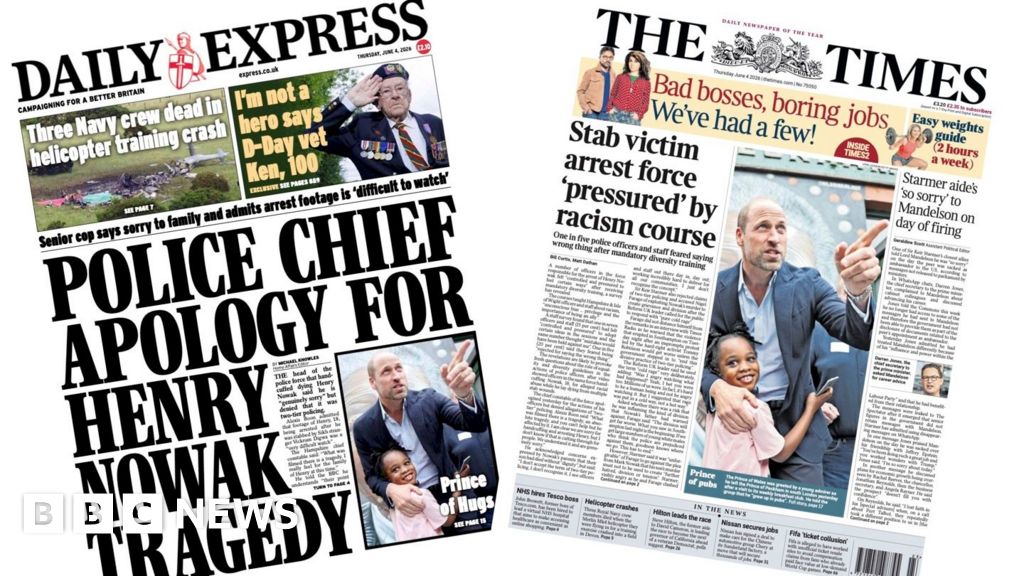
The results of a recent internal survey have highlighted a growing disconnect between departmental policy and officer sentiment. According toreporting from the BBC, which cited data from The Times, one in seven officers reported feeling controlled and pressured to feel certain ways following the completion of mandatory racism and diversity training.
The survey, which was part of an internal assessment of the Metropolitan Police Service (MPS), provides a statistical basis for the cultural tensions identified in the 2023 Casey Review. That review, led by Baroness Casey, identified systemic failings in the force’s handling of diversity and misconduct, which served as the catalyst for the current mandatory training regime. The data indicates that the tension between these reform mandates and the frontline workforce is a persistent issue within the service.

Fear of Social and Professional Rejection
Beyond the feeling of being pressured, the survey identified a pervasive atmosphere of apprehension regarding interpersonal communication. One in five officers stated they feared beingrejected for saying the wrong thing.
rejected for saying the wrong thing.
The Police Federation of England and Wales has raised concerns that this environment has fostered a “culture of caution.” Federation representatives have argued that the emphasis on specific social and linguistic norms during diversity training has led to a hesitation in frontline communication, as officers attempt to minimize the risk of professional repercussions or social ostracization during community interactions.
Institutional Reform and the ‘New Met’
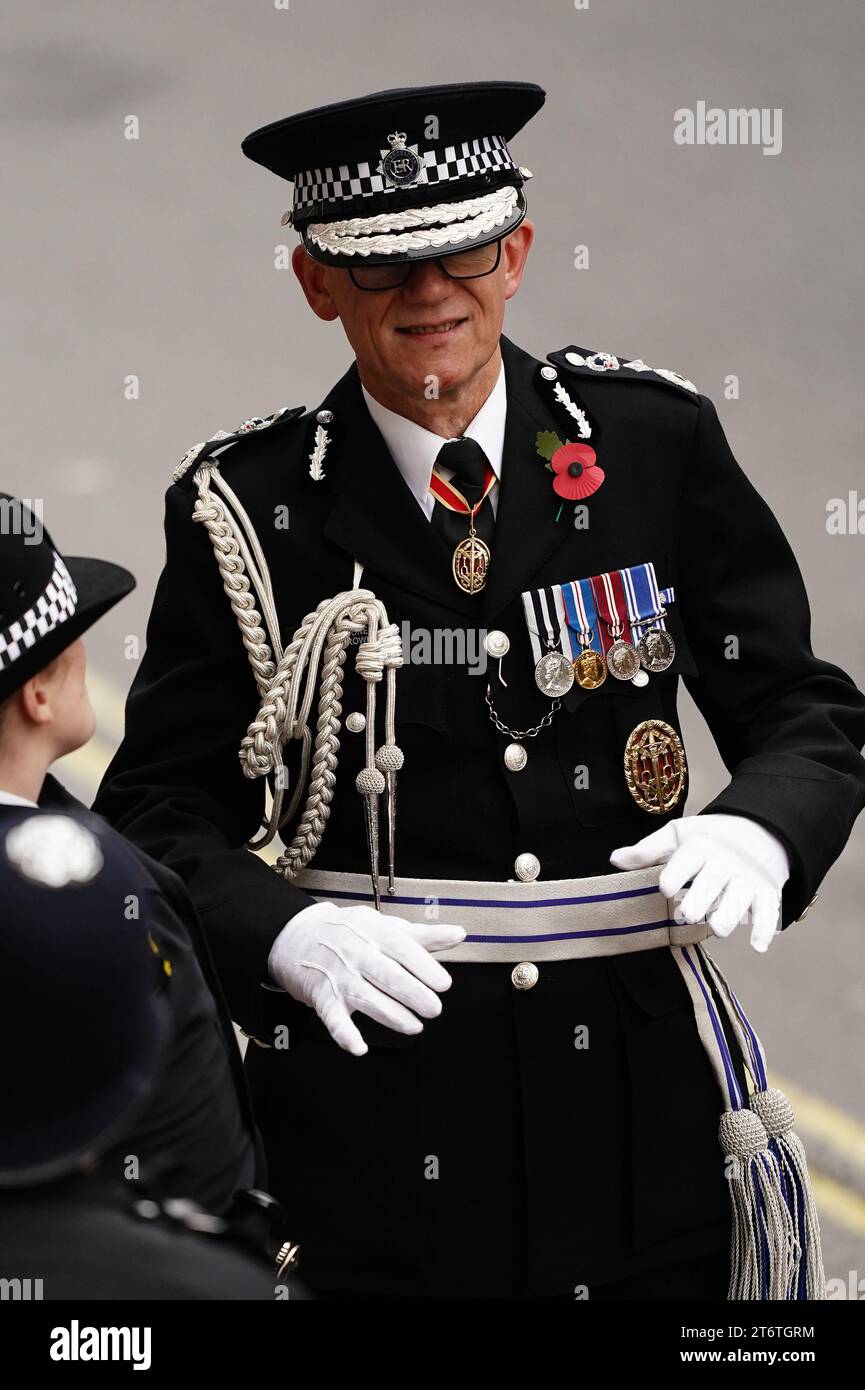
Commissioner Sir Mark Rowley has positioned the “New Met for London” plan as the central mechanism for addressing these cultural issues. The plan aims to rebuild community trust through increased accountability and professional standards. While Rowley has publicly advocated for the necessity of a diverse and inclusive workforce, the survey results suggest a significant gap between the leadership’s strategic objectives and the lived experiences of the officers implementing the training. Rowley has maintained that while the force must evolve to meet modern standards, the focus must remain on effective, professional policing.
Regulatory Oversight
The Metropolitan Police remains under the “Engage” phase of inspection by His Majesty’s Inspectorate of Constabulary and Fire & Rescue Services (HMICFRS). This regulatory status requires the force to demonstrate measurable progress in addressing systemic cultural and operational failings. The findings from the internal staff survey, particularly regarding the perceived pressure of diversity mandates, are expected to be a factor in the ongoing assessment by HMICFRS as they monitor the force’s ability to implement meaningful cultural reform.

Policy Scrutiny After the Nowak Arrest
The timing of these revelations is particularly sensitive for the agency. As the force manages the fallout from the arrest of Nowak, these internal fractures may complicate its public standing and operational culture. AsBBC coverage suggests, these results are likely to provoke fresh questions about the role of diversity guidelines in the actual actions and decision-making processes of police officers. If a significant minority of the force feels coerced by training mandates rather than supported by them, the long-term efficacy of these institutional programs remains an open question.
The agency now faces the challenge of reconciling its diversity objectives with the lived experiences of its officers. As the BBC noted, the tension between policy and personnel sentiment is poised to become a central point of scrutiny for the force’s leadership.