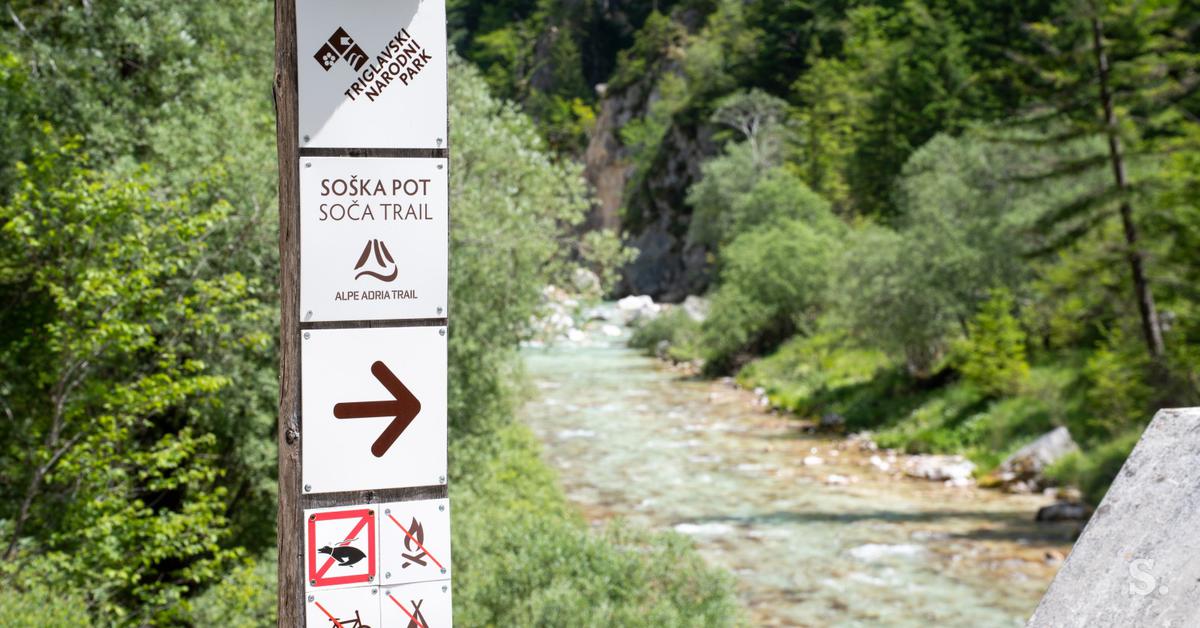
In the Julian Alps and Triglav National Park, illegal campers face a confusing legal lottery where the cost of a violation depends entirely on who catches them. While municipal wardens can now issue €500 fines, nature protectors from the national park are limited to €100 for the exact same offense.
The €400 Discrepancy in the Julian Alps
Black Camping
A traveler sleeping in a tent in a mountain valley might face vastly different financial consequences depending on the uniform of the official who discovers them. As news.google.com reported, a lack of coordination between municipal authorities and the Triglav National Park (TNP) has created a gap where a single illegal act can cost either €100 or €500.
This inconsistency stems from differing regulatory powers. Municipalities within the Julian Alps have been moving to unify their penalties, but the TNP nature protectors operate under a different set of rules. This means that for the same unauthorized overnight stay, the penalty is effectively divided by five depending on the jurisdiction of the officer on the scene.
Deterring “Black Camping” Through Higher Fines
cluster (priority): N1 Slovenija
The push for higher penalties is a direct response to years of rising violations. For a long time, the fines for illegal camping were so low that they were actually cheaper than paying for a legitimate spot in an organized campsite. This economic loophole encouraged what locals call “black camping.”
To close this gap, mayors from the Community of the Julian Alps agreed to introduce a uniform €500 fine for unauthorized camping following changes to public order laws last year. Some municipalities have already updated their local decrees, while others are preparing to vote on the changes in upcoming council sessions.
Gregor Jarkovič, the head of the Intermunicipal Inspectorate and Warden Service for the municipalities of Jesenice, Gorje, Kranjska Gora, and Žirovnica, believes the higher cost will act as a necessary deterrent. According to N1 Slovenija, Jarkovič has already seen early signs of a busy season.
“The first signs already indicate that this season will be a strong one,” Gregor Jarkovič, via Siol.
For Jarkovič, the fine is more than just a penalty; it is a message about societal values.
“The amount of the fine is how the state or municipality communicates how unacceptable these deviant acts are for it. Municipalities are trying to send a clear signal that these acts are not welcome here. It is welcome to spend free time in camps, apartments, and similar accommodations, but black camping is unacceptable, burdensome for citizens and the environment,” Gregor Jarkovič, via Siol.
The “Mildest Penalty” Rule in Joint Patrols
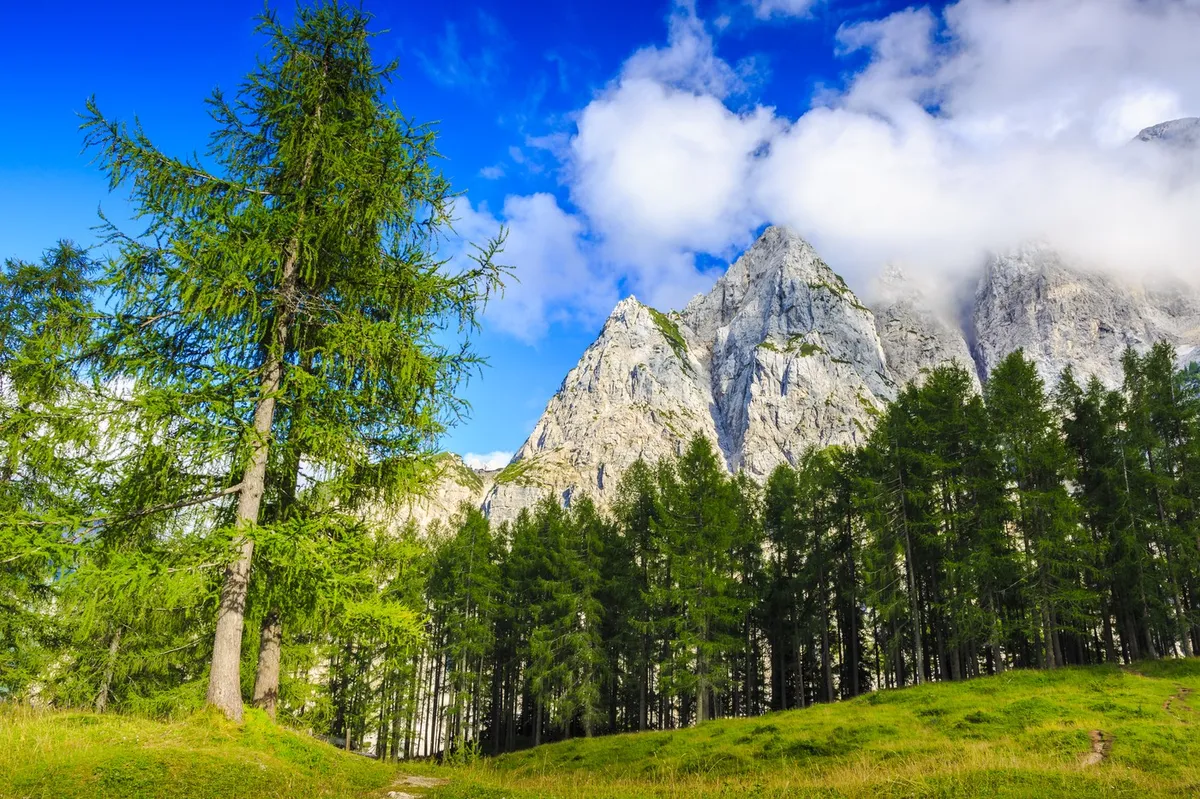
Are The Julian Alps The Same As The Slovenian Alps? – Europe Travel Pros
The discrepancy becomes most complicated during joint patrols where both municipal wardens and TNP supervisors work together. In these instances, a specific legal principle dictates which fine is handed out.
To prevent authorities from “shopping” for the highest fine, the law requires that the most lenient option be applied. As rtvslo.si reported, this means that if a TNP supervisor and a municipal warden are patrolling a parking lot or valley together, the TNP supervisor must be the one to issue the fine.
“If you go on a joint inspection in the valleys and parking lots located within the park area, a municipal warden and a TNP supervisor, the supervisor must issue the fine and not the warden, because the principle is that the fines issued are the mildest as prescribed,” Sašo Hrovat, via RTV SLO.
However, this rule only applies to mixed patrols. If a municipal warden discovers a violator while working alone, they retain the power to issue the full €500 municipal fine.
Legislative Hurdles for Triglav National Park
cluster (priority): rtvslo.si
While municipalities are successfully updating their local ordinances to curb illegal camping, the Triglav National Park is stuck behind a legislative wall. The TNP nature protection service cannot simply raise its fines to €500 because their authority is tied to specific national conservation laws that have not been updated to match the new municipal standards.
Sašo Hrovat, the head of the TNP nature protection service, argues that this legislative mismatch creates an avoidable loophole. He believes that for the sake of consistency and effective environmental protection, the laws governing the park and the laws governing the surrounding municipalities must be aligned.
Until the national legislation regarding the TNP is amended, the mountain valleys will continue to see a two-tiered system of justice, where the price of a night under the stars depends entirely on which official happens to be walking the trail.