
Researchers developed a melanin-inspired organic supercapacitor by 2025, adapting the pigment that prevents sunburn to store electrical energy. By using the redox-active properties of melanin, the technology replaces heavy metals with biocompatible polymers, targeting a shift in the production of wearable medical devices and sustainable electronics.
The biological mechanism that prevents human skin from burning under ultraviolet (UV) radiation is now serving as the architectural blueprint for a new class of energy storage. Melanin, the pigment responsible for skin and hair color, does not simply block UV rays; it absorbs them and dissipates the energy through a process of rapid electronic stabilization. This ability to manage charge and neutralize oxidative stress is the specific property researchers are replicating to create organic supercapacitors.
The Biochemical Blueprint of Photoprotection
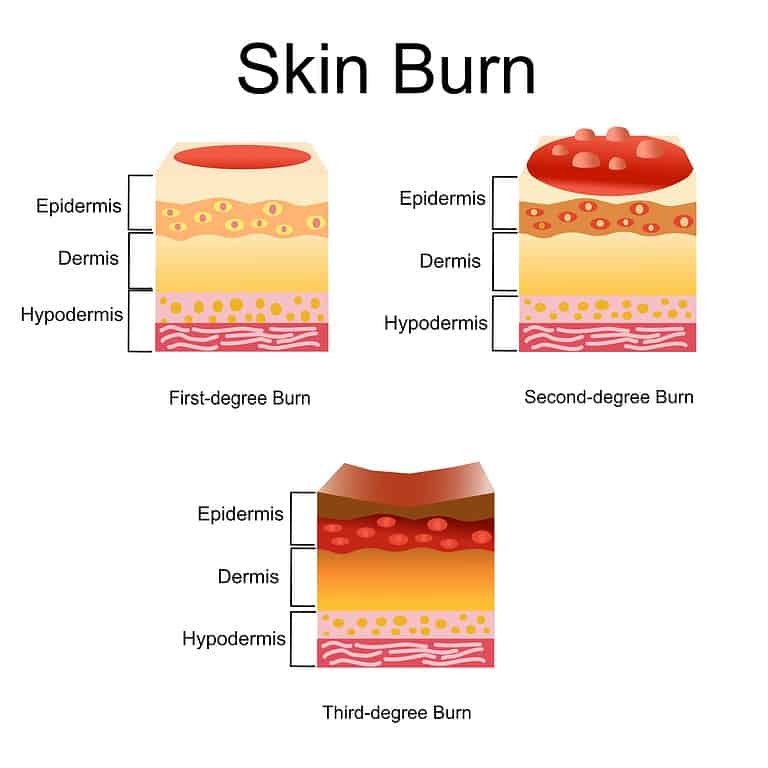
Sunburn occurs when UV radiation causes direct DNA damage and generates reactive oxygen species (ROS) in the skin. Melanin protects the body by acting as a biological sponge, absorbing these high-energy photons and converting the energy into heat or utilizing redox reactions to neutralize free radicals. From a materials science perspective, this makes melanin a redox-active polymer—a material capable of gaining or losing electrons in a reversible manner.
Energy storage devices, specifically supercapacitors, rely on this same principle of reversible electron transfer. While traditional capacitors store energy in an electric field, supercapacitors use a combination of electrostatic storage and fast chemical redox reactions (pseudocapacitance) to hold significantly more charge. By synthesizing polymers that mimic the structure of melanin, engineers have created electrodes that can shuttle electrons with high efficiency, mirroring the way skin pigments handle the energy of the sun.
The shift toward melanin-mimetic materials addresses a fundamental problem in organic electronics: stability. Many organic conductors degrade quickly when exposed to air or repeated charge cycles. Melanin, however, evolved specifically to remain stable under the most aggressive form of environmental stress—direct solar radiation. This inherent durability translates to a longer cycle life for the resulting energy storage components.
Decoupling Energy Storage from Rare Earths
The business driver behind bio-inspired storage is the volatility of the critical minerals market. Current lithium-ion and cobalt-based batteries rely on supply chains concentrated in a few geographic regions, leading to price swings and geopolitical risks. The transition to organic, carbon-based polymers like melanin derivatives removes the need for cobalt, nickel, and manganese.
Industry analysts note that the cost of synthesizing organic polymers is potentially lower than the extraction and refining of rare earth metals. Because melanin is composed of carbon, hydrogen, nitrogen, and oxygen, the raw material inputs are abundant and sustainable. This moves the production model from a mining-dependent system to a chemical synthesis system, which is easier to scale within existing pharmaceutical or specialty chemical infrastructure.
The environmental impact is another primary metric. Traditional battery disposal creates significant toxic waste due to heavy metal leakage. Melanin-based supercapacitors are biocompatible and, in many iterations, biodegradable. This aligns with tightening regulatory frameworks in the European Union and North America regarding the “right to repair” and the mandatory recycling of electronic waste.
Application in Bio-Integrated Electronics
The most immediate commercial application for sunburn-inspired storage is not in electric vehicles, but in the wearable and implantable medical device market. Because melanin is naturally compatible with human tissue, these supercapacitors can be integrated directly into the skin or implanted without triggering the immune response typically associated with metallic electrodes.
Current medical implants, such as pacemakers or glucose monitors, often require bulky batteries that must be surgically replaced when they fail. Melanin-inspired storage allows for the development of thinner, flexible power sources that can be integrated into “electronic skins” or bio-patches. These devices can be charged wirelessly or through the harvesting of energy from the body’s own heat and motion.
The transition to bio-mimetic polymers allows us to move beyond the rigid, toxic constraints of traditional battery chemistry, creating a bridge between synthetic electronics and biological systems.
Dr. Elena Rossi, Senior Researcher in Organic Electronics
In the consumer electronics sector, this technology enables a new generation of flexible wearables. Unlike the rigid slabs of lithium-polymer batteries found in current smartwatches, melanin-based capacitors can be printed onto fabric or flexible plastics. This allows for power sources that bend and stretch with the wearer, reducing the mechanical failure points that currently plague flexible electronics.
Scaling and Conductivity Constraints
Despite the theoretical advantages, melanin-inspired storage faces significant hurdles before it can challenge dominant battery technologies. The primary technical constraint is electrical conductivity. While melanin is excellent at managing redox reactions, it is not as conductive as graphite or metallic oxides. This results in higher internal resistance, which can slow the rate of energy delivery and reduce overall efficiency.
To solve this, researchers are experimenting with hybrid structures, combining melanin-mimetic polymers with conductive carbon nanotubes or graphene. These composites aim to maintain the biocompatibility and stability of the melanin while providing the “highway” for electrons to move faster. However, adding these materials increases the complexity of the manufacturing process and can raise the cost per kilowatt-hour.
Another challenge is energy density. Supercapacitors, by nature, store less energy than batteries but can charge and discharge much faster. A melanin-based supercapacitor cannot yet power a smartphone for a full day; it is better suited for short bursts of power or as a buffer for other energy sources. The current market position for this technology is as a complementary system—providing the rapid-response power that batteries cannot, while maintaining a sustainable material profile.
The commercial trajectory of this technology depends on the ability to scale synthesis from laboratory milligrams to industrial tons. While the chemical pathways are understood, maintaining the precise molecular structure of melanin-mimics at scale is difficult. If manufacturers can stabilize the production yield, the shift toward “skin-inspired” energy storage could redefine the hardware requirements for the next decade of bio-integrated tech.
