

Google’s Gain vs. Apple’s Slide: A Tech Sector Divided
The technology sector exhibited notable differences in performance today. Google’s rise contrasted with Apple’s decline, illustrating how investors are evaluating individual companies based on their business models and market positions. While the broader S&P 500 remained near recent highs, this divergence suggests that technology stocks are being assessed on factors such as earnings potential and sector-specific challenges rather than as a unified group.
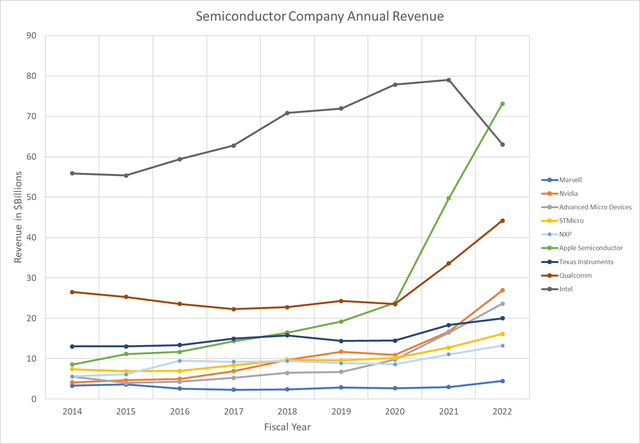
Semiconductor stocks also displayed volatility. Micron Technology’s increase stood in contrast to AMD’s decline, reflecting competitive pressures within the industry. These movements indicate that investors are making distinctions between companies, rewarding those with perceived strengths while responding to concerns about others. This pattern may continue as more earnings reports are released in the coming weeks.
Consumer Cyclicals Under Pressure: Tesla and Amazon’s Warning Signs
Consumer-focused companies faced headwinds today, with Tesla and Amazon both experiencing declines. These movements were linked to cautious consumer sentiment and potential macroeconomic concerns affecting spending patterns. While not all companies in the sector were affected equally, the trend suggests that investors are monitoring economic indicators closely, particularly in relation to inflation and interest rates.
The timing of these declines coincides with the ongoing earnings season, where companies like Tesla and Amazon serve as indicators of consumer health. Their recent performance may reflect expectations about future guidance, particularly as economic data continues to shape market sentiment. For now, the market appears to be pricing in a degree of caution rather than signaling broader concerns.
Financials as a Safe Haven: JPMorgan and Bank of America’s Resilience
Financial institutions stood out as a relatively stable segment of the market. JPMorgan and Bank of America posted gains, attributed to their diversified operations amid uncertain market conditions. While the increases were modest, they were notable in a session where many other sectors faced challenges. Historically, financial companies have benefited from higher interest rates, and today’s performance suggests that investors may be anticipating this trend to continue.
The contrast between financials and other sectors was evident. While technology and consumer companies grappled with earnings uncertainty and economic headwinds, financial institutions appeared to leverage their varied revenue streams. However, their stability could be tested if economic conditions shift, particularly if inflation persists or if the broader economy shows signs of softening.
Oil’s Shadow: How Geopolitics Rattled the Market’s Surface
The most significant market influence today originated outside financial markets. A shift in U.S. diplomatic activity led to a rise in oil prices, with Brent crude increasing to over $100 per barrel. This movement erased recent gains tied to expectations of reduced tensions, and the impact extended beyond oil to other commodities, as reflected in the Bloomberg Commodity Index’s rise.
The geopolitical situation remains complex. Reports indicated that no high-level meetings between U.S. and Iranian officials were scheduled, and a proposed ceasefire offer from Tehran was not accepted by Washington. Analysts described the resulting market reaction as modest but meaningful, particularly given the exposure of institutional investors to energy markets. While the Dow’s decline was limited, the underlying dynamics suggested that geopolitical developments could continue to influence market movements.
What to Watch: Key Levels and Sector Signals
Investors are closely monitoring several critical price points in the coming days. Attention is focused on Google’s recent trading range, Apple’s support levels, and Tesla’s performance thresholds. Movements beyond these levels could indicate broader shifts within their respective sectors. Semiconductor stocks also remain a key area to watch, particularly as Micron’s gains and AMD’s struggles provide insights into competitive pressures.
Economic data releases will play a significant role in shaping market sentiment. Inflation reports, retail sales figures, and commentary from the Federal Reserve could either reinforce current trends or prompt a shift in investor behavior. Financial institutions may continue to perform well if interest rates remain elevated, though their stability is not guaranteed. Energy markets will also be closely watched, as geopolitical developments could drive further volatility in oil prices.
The current market environment underscores the importance of diversification. Technology’s mixed performance, consumer companies’ challenges, and financial institutions’ resilience all highlight the need to evaluate individual sectors and companies rather than relying on broad market trends. As earnings season progresses and economic data is released, investors will be looking for signals to guide their decisions in an increasingly nuanced market landscape.
