Google launched its June 2026 Android Feature Drop on Wednesday, introducing AI-driven tools to combat voice impersonation scams and a digital Wardrobe in Google Photos. The update prioritizes security through RCS-based call verification and expands cross-platform file sharing between Android and iPhone users globally.
Defeating AI Voice Deepfakes via RCS Handshakes
cluster (priority): Techritual Hong Kong
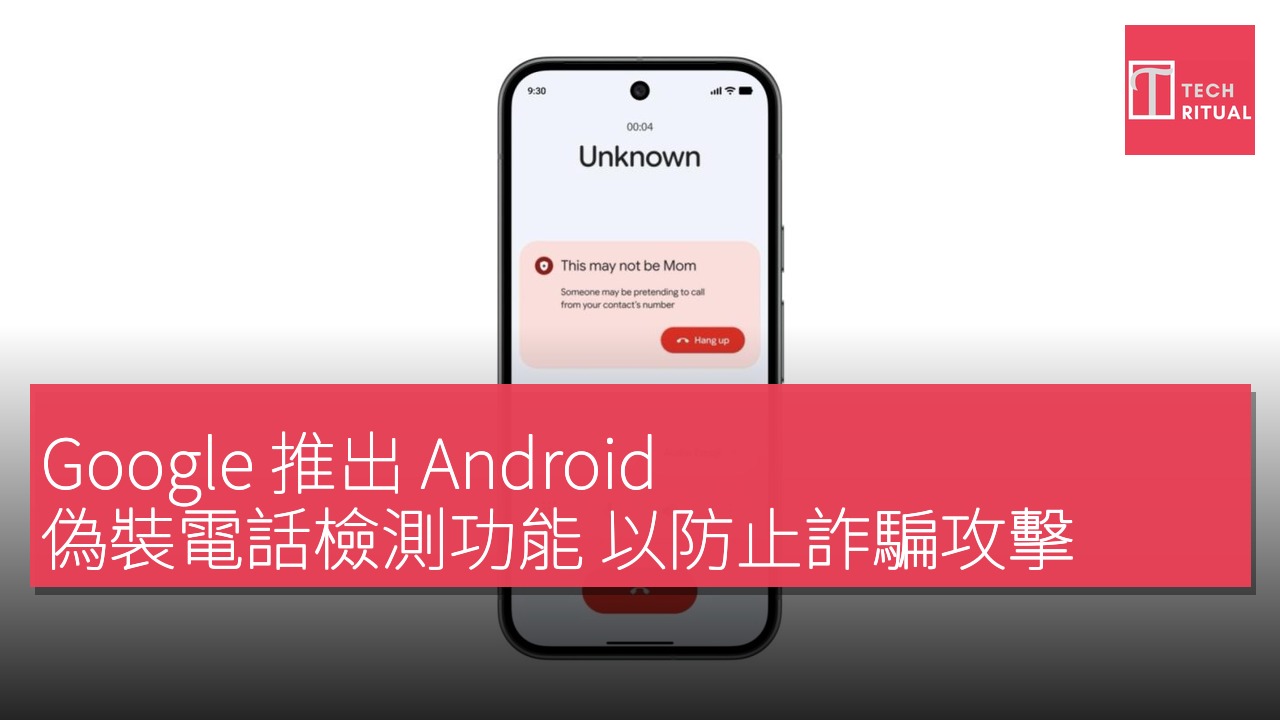
The rise of sophisticated impersonation scams has forced a shift in mobile security. Scammers are increasingly using AI-driven deepfake technology to mimic the voices of family members, colleagues, or supervisors, making it nearly impossible for most adults to distinguish a fraudulent call from a legitimate one. To counter this, Google is integrating a new verification layer into the Phone by Google application.
As Techritual Hong Kong reported, the new Fake Call Detection feature utilizes the end-to-end encrypted RCS protocol to validate callers. When a contact calls a user, their device sends a silent, real-time verification signal to the receiver’s device. If a scammer attempts to spoof a number from your contact list, the system will detect that the initial confirmation signal is missing.
In these instances, the system will attempt to reach out to the contact’s actual device for a secondary confirmation. If the legitimate device indicates that the person is not currently on a call, the user’s screen will display a warning suggesting they hang up immediately. This feature requires both parties to use Google Messages with RCS enabled, as well as the Phone by Google and Google Contacts apps. While the rollout begins this month with Pixel devices on Android 12 or higher, other Android manufacturers are expected to follow.
cluster (priority): Techritual Hong Kong
Beyond security, the June update introduces significant AI-driven lifestyle enhancements. Google Photos is preparing to launch a Wardrobe feature that uses AI to scan a user’s photo library, identifying and organizing clothing items to create a personalized digital wardrobe. This allows users to review past outfits, plan new combinations, and share style inspiration with others.
According to SOGI Mobile, this digital closet will initially be available to Android 10 users in the United States, India, and Brazil, with a wider rollout expected in the coming months.
Complementing the new wardrobe tool is an upgrade to the Circle to Search functionality. The new Find the Look mode allows users to circle any item in a photo or video—such as a hat, shirt, or pair of shoes—to instantly find purchase links for the entire outfit. This visual commerce integration is currently rolling out to devices running Android 14 or higher.
Cross-Platform Sharing and Enhanced Child Safety
Google Killed Traditional Android! 🤯 Android 2026 AI Update
Google is also addressing the long-standing friction between different mobile ecosystems. The Quick Share feature is expanding its cross-platform compatibility with Apple’s AirDrop, allowing Android users to send photos, videos, and documents to iPhones without requiring an internet connection.
As ezone.hk noted, this expansion is particularly useful for professional environments where Android and iPhone devices are frequently used side-by-side.
Safety protections have also been bolstered for younger users. The Personal Safety application now includes specific features for children under 13, such as the ability to display medical information and emergency contact details directly on the lock screen. Additional protections include location sharing and accident detection to provide a safety net for minors.
cluster (priority): SOGI手機王
The June Feature Drop signals a broader strategic move by Google to integrate privacy and security as core architectural components rather than peripheral add-ons. By leveraging RCS for identity verification, Google is attempting to build a foundation of trust that addresses the specific risks posed by generative AI.
This approach mirrors wider industry discussions regarding the management of training data and information transparency. While these tools provide much-needed defense against deepfakes, the long-term success of such features will depend on how effectively they can be standardized across the diverse Android ecosystem to ensure consistent protection for all users.