

Clashes and Black Bloc Tactics in Geneva
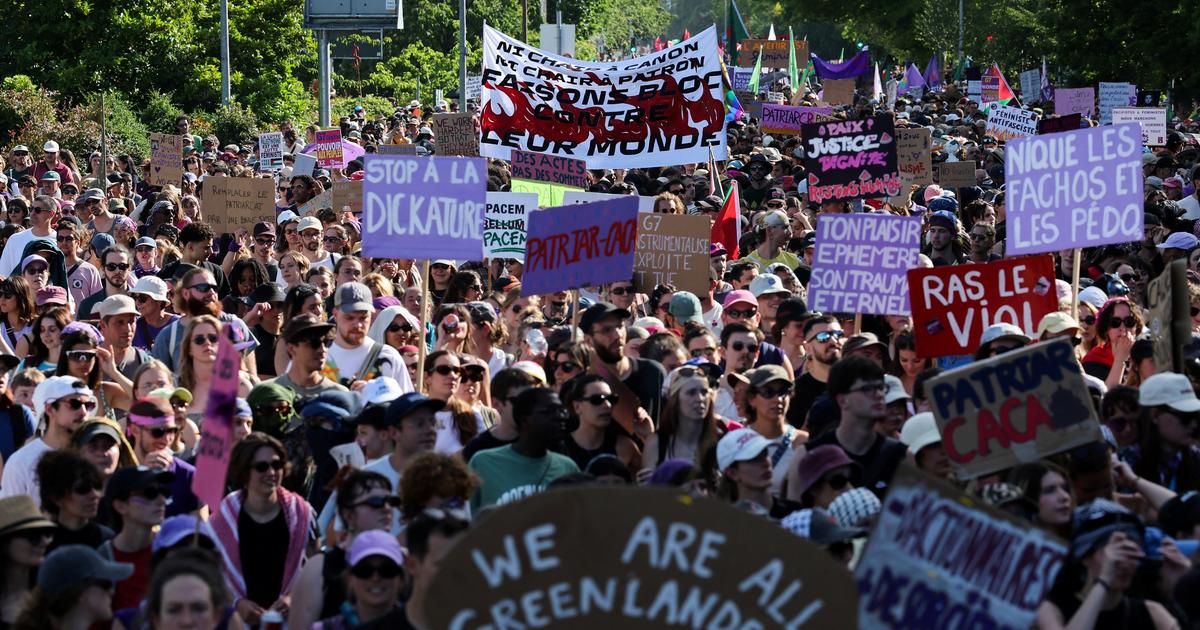
The demonstration, organized by the No-G7 coalition of unions, left-wing parties, and associations, aimed to launch an “internationalist response” to G7 policies and denounce “fascism and imperialism.” The crowd was a diverse mix of feminist, pro-Palestinian, pro-Kurdish, and anti-capitalist activists.
Police estimated that about 600 “Black blocs” were embedded within the 20,000-strong crowd. While the march started calmly at 3:15 p.m. with drums and horns, the atmosphere shifted as the day progressed. By mid-afternoon, masked protesters began targeting law enforcement with bottles, stones, pieces of cement, and firecrackers. Police responded with tear gas grenades.
The violence intensified during the dispersal phase around 8:30 p.m. near Lake Geneva. Radicals launched pink smoke bombs and set fire to various objects while chanting “ACAB” (All Cops Are Bastards). Some protesters targeted corporate symbols, including the buildings of PricewaterhouseCoopers.
Despite the volatility, Le Figaro reports that Swiss authorities deployed a massive security apparatus and numerous barriers to contain the crowd. A police spokesperson confirmed several arrests were made, though the exact number was not disclosed, and noted that material damage remained limited relative to the number of disruptive elements identified.
Diplomatic Tension Between Paris and Bern
The security friction in Geneva is not merely a result of the protests, but a symptom of a diplomatic rift. According to Franceinfo, the Swiss Confederation discovered the summit would be held in Evian through an Instagram announcement by Emmanuel Macron in June 2025.
“without the slightest prior consultation”
Carole-Anne Kast, Geneva State Councilor for Security
The location of the summit in Evian places it in immediate proximity to the Swiss border, yet Geneva officials claim they were excluded from the planning process. Kast noted that the canton of Geneva is neither a decision-maker nor associated with the summit’s planning, despite the fact that the security perimeter for the 15 expected world leaders extends well beyond French borders.
Border Controls and Transport Gridlock
The lack of coordination has manifested as practical chaos for Geneva residents. Border controls between Switzerland and France were reinstated leading up to the summit and will remain in place until June 19. At the Geneva train station, military personnel are conducting identity checks on passengers, often with an impatient demeanor.
“It’s fine, go ahead!”
Military personnel at Geneva station, via Franceinfo
The road situation is more severe. To centralize controls, authorities closed 28 of the 35 available customs posts, creating massive bottlenecks. Mauro Poggia, a Geneva State Councilor, warned that these delays have forced the health sector to cancel or postpone numerous medical interventions.
Further aggravating the local mood is the “privatization” of a section of the highway bypassing Geneva. This closure was implemented to facilitate the movement of delegations arriving at Geneva’s airport—chosen over Lyon’s airport due to its diplomatic experience. Poggia argued that France should have required G7 participants to use the French access at Ferney-Voltaire instead of Swiss soil.
“basic respect for a neighboring country should have led France to examine with Switzerland the implications of organizing such a summit, next to a city that hosts 40 international organizations.”
Mauro Poggia, Geneva State Councilor
The 2003 G8 Precedent
The high level of Swiss security mobilization is driven by historical trauma. In 2003, when Evian hosted the G8, the region experienced significant violence. Tens of thousands of anti-globalization protesters descended on the area, leading to riots, looting, and clashes in both Geneva and Lausanne.
The financial toll of those 2003 events was substantial, with damages estimated between 5 and 6 million Swiss francs. This precedent explains why the 2026 response involved such an aggressive posture of barriers and police presence, as authorities sought to avoid a repetition of that “fiasco.”
While the 2026 protests saw sporadic violence, the scale of destruction was far lower than two decades ago. Despite the tension, some locals observed that the expected total collapse of traffic had not fully materialized by Saturday, with some noting that “it’s moving well” despite the security constraints.
As the summit continues from Monday to Wednesday, the tension remains focused on the intersection of French diplomatic ambition and Swiss logistical burden. The primary stake for Geneva is no longer the protest activity, but the restoration of normal border fluidity and the resolution of a diplomatic snub that began on a social media platform.
Find more reporting in our News section.

