
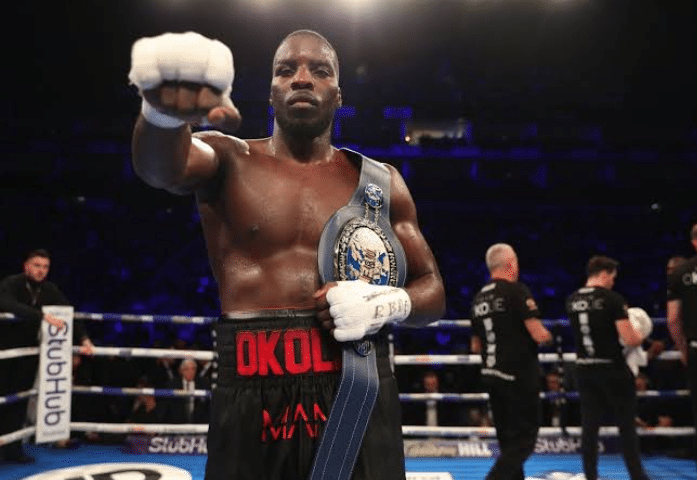
British boxer Lawrence Okolie has failed a pre-fight doping test, casting doubt on his scheduled heavyweight bout against Tony Yoka in Paris this Saturday.
The 33-year-old former world champion was informed by the Voluntary Anti-Doping Association (Vada) on Monday night that his test returned an adverse finding, according to promoter Queensberry Promotions. The news came just days before the fight, which was set to be Okolie’s fourth appearance at heavyweight since moving up from bridgerweight in 2024.
Queensberry said it would provide an update on whether the fight would proceed “in due course,” but The New York Times reported that Okolie is now set to be removed from the card, with the promoter seeking a replacement opponent for Yoka, the 2016 Olympic super-heavyweight champion.
Okolie addressed the situation on social media, attributing the adverse finding to medical treatment for an elbow injury sustained during training camp. He said he had previously suffered a bicep injury in the same arm the year before and underwent treatment, adding: “Before anyone starts imagining the worst, following my bicep injury last year, I sustained an elbow injury on the same arm during this camp. I had a treatment on it and now we are here. I truly hope sense prevails.”
He affirmed his full cooperation with anti-doping authorities and expressed confidence that an investigation would clear his name, a sentiment echoed in both the BBC and Times reports. Okolie, who won world titles at cruiserweight and bridgerweight before moving to heavyweight, remains undefeated in three fights at the new weight class, including a stoppage victory over Ebenezer Tetteh last December.
The failed test adds pressure to a sport already under scrutiny for its fragmented anti-doping oversight, particularly in high-profile bouts where voluntary testing programs like Vada are used alongside or in place of national federation protocols. While Vada is widely respected in boxing, adverse findings — even if later explained — can trigger immediate fight cancellations and reputational harm.
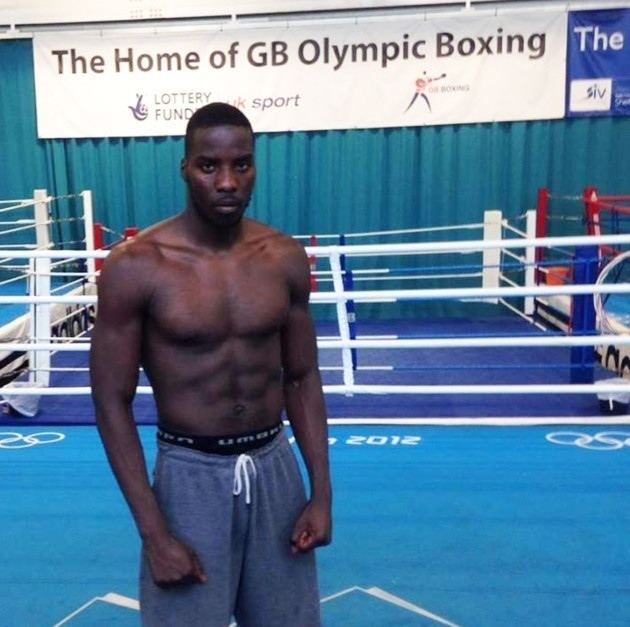
Okolie’s background adds context to the situation: he took up boxing in 2012 after being inspired by Anthony Joshua’s Olympic gold medal while working at a McDonald’s in London. He turned professional after the 2016 Olympics, where he represented Great Britain and lost in the last 16 of the heavyweight tournament. After a successful cruiserweight career that included a WBO title win over Krzysztof Glowacki in 2021, he lost the belt to Chris Billam-Smith in 2023 before capturing the WBC bridgerweight title and transitioning to heavyweight.
This incident underscores the risks fighters face when balancing injury management with strict compliance under anti-doping rules, especially when treatments — even legitimate ones — can contain prohibited substances. Whether the bout proceeds with a substitute opponent or is postponed entirely now rests with Queensberry and Vada’s ongoing review.
What substance caused Lawrence Okolie’s adverse doping test?
The sources do not specify the substance detected in Okolie’s test, only that it resulted from a medical treatment for an elbow injury sustained during training camp.
Will the fight between Okolie and Yoka still happen on April 25?
No, according to The New York Times, Okolie is set to be removed from the bout, with Queensberry Promotions seeking an alternative opponent for Tony Yoka for the Paris date this weekend.
