

A study published in the journal *Nutrients* in 2024 identifies a link between a pro-vegetable
dietary pattern and a decreased risk of gastric cancer. The research, which utilized dietary pattern analysis, suggests that diets high in vegetables and fruits may offer protection against the development of stomach malignancies.
The research focused on identifying specific clusters of food consumption that correlate with health outcomes. By using statistical modeling, the researchers were able to move beyond looking at individual nutrients and instead examined how entire eating habits—groups of foods that are frequently consumed together—impact the likelihood of developing gastric cancer.
Dietary Pattern Identification Through Principal Component Analysis
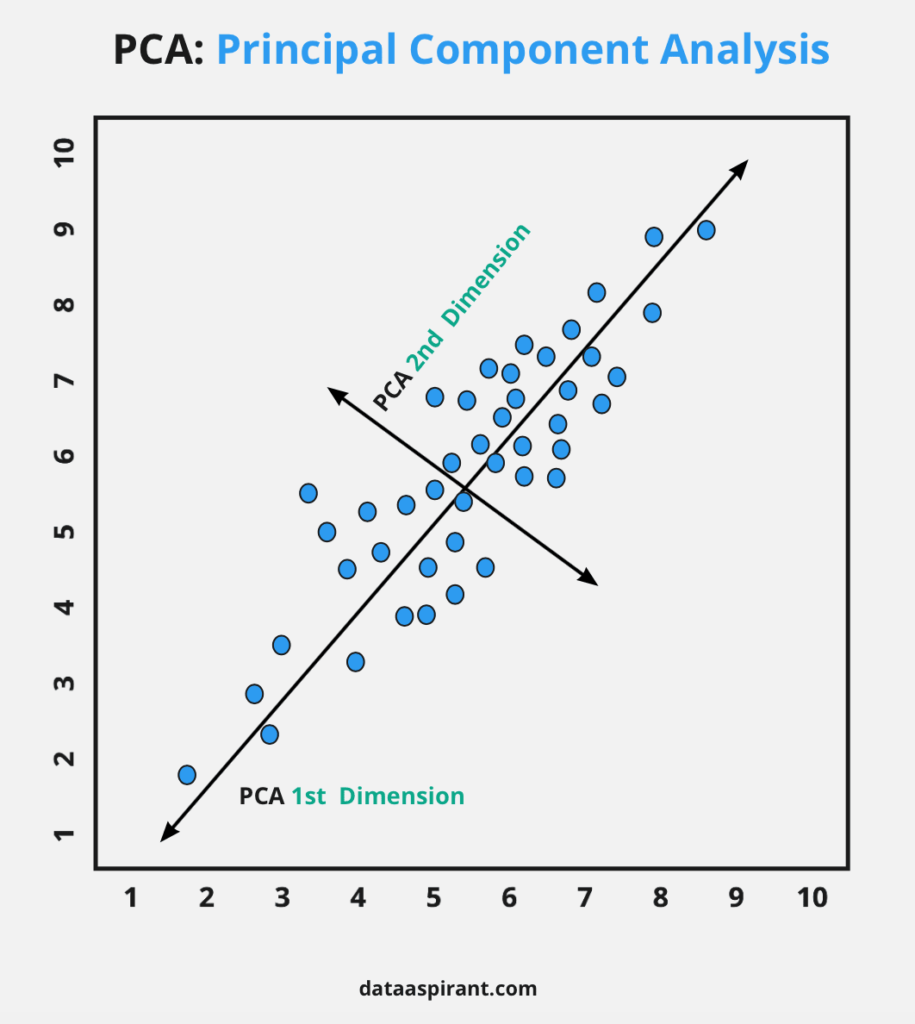
To categorize these eating habits, the study employed Principal Component Analysis (PCA). This statistical method allows researchers to take a large number of dietary variables—such as the daily intake of various fruits, vegetables, meats, and grains—and condense them into a smaller number of distinct dietary patterns. This approach is designed to reflect real-world eating behaviors more accurately than studies that only look at isolated vitamins or minerals.
One of the primary patterns identified in the study was the pro-vegetable
pattern. This specific dietary profile is characterized by a high intake of various vegetables and fruits, often accompanied by a higher consumption of whole grains. This pattern stands in contrast to other identified groups, such as the pattern associated with a Western-style
diet, which is defined by high consumption of processed meats, refined carbohydrates, and added sugars.
The researchers noted that the pro-vegetable pattern represents a nutrient-dense way of eating. By grouping foods that are naturally high in fiber and micronutrients, the analysis provides a clearer picture of how dietary structures, rather than just single ingredients, interact with the body’s biological processes.
Correlation With Decreased Gastric Cancer Incidence
The findings indicated that individuals who adhered most closely to the pro-vegetable dietary pattern experienced a lower risk of gastric cancer compared to those following patterns characterized by high processed meat intake. While the study establishes an association, it highlights a significant difference in risk levels between these two distinct groups.
The data suggests that the protective effect is most pronounced among those who consistently prioritize plant-based food groups. The researchers observed that as the adherence to the pro-vegetable pattern increased, the statistical risk of a gastric cancer diagnosis decreased. This suggests that the cumulative effect of these dietary choices may play a role in maintaining the health of the gastrointestinal tract.
This correlation is particularly relevant given the rising global incidence of gastric cancers. While many studies have looked at individual risk factors, the ability to identify a specific, cohesive dietary pattern provides a potential framework for public health recommendations aimed at cancer prevention.
Biological Mechanisms of Gastric Protection
While the study is observational, researchers have proposed several biological mechanisms that could explain why a pro-vegetable diet acts as a protective factor. One primary mechanism involves the high concentration of antioxidants and phytochemicals found in vegetables and fruits. These compounds are known to mitigate oxidative stress, which can damage the DNA in the cells lining the stomach (the gastric mucosa).
Oxidative stress is a known contributor to the development of many cancers, including gastric malignancies. By providing a steady supply of vitamins such as Vitamin C and Vitamin E, along with various carotenoids, a pro-vegetable diet may help maintain the integrity of the stomach lining and prevent the cellular mutations that lead to cancer.
Dietary fiber also plays a critical role. A diet high in plant-based foods typically ensures a high intake of fiber, which is essential for regular gastrointestinal function and the maintenance of a healthy gut microbiome. A balanced microbiome is increasingly recognized as a factor in regulating inflammation within the digestive tract. Chronic inflammation in the stomach is a significant precursor to the development of gastric cancer.
Methodological Constraints and Confounding Variables
Despite the notable findings, the study’s authors emphasize that the research is observational in nature. This means the study can demonstrate a correlation between a pro-vegetable diet and lower cancer risk, but it cannot definitively prove that the diet causes the reduction in risk. Observational studies are subject to various confounding variables that can influence the results.

One of the most significant confounding factors in gastric cancer research is the presence of Helicobacter pylori (*H. pylori*). This bacterium is a primary driver of gastric cancer and is often linked to specific socioeconomic and dietary conditions. Researchers must account for *H. pylori* status, smoking habits, and alcohol consumption to ensure that the observed benefits of a pro-vegetable diet are not actually being caused by these other factors.
Furthermore, lifestyle factors often cluster together. Individuals who follow a pro-vegetable pattern may also be more likely to engage in regular physical activity, maintain a healthy body mass index (BMI), or avoid tobacco use. Separating the specific impact of the diet from these other healthy behaviors remains a complex challenge in nutritional epidemiology.
Future research will require prospective clinical trials to determine if dietary interventions can directly reduce the incidence of gastric cancer. Until such trials are conducted, these findings serve as a strong indicator of the importance of dietary patterns in long-term health management.
Consult your healthcare provider.
