
Google’s Android 17 is transitioning toward an integrated ecosystem model that extends beyond the smartphone. Following the 2026 Android Show on May 12, the update prioritizes cross-device continuity and deep AI integration, aiming to bridge the functional gap between mobile phones, tablets, and emerging XR hardware.
The Transition to an Everything OS
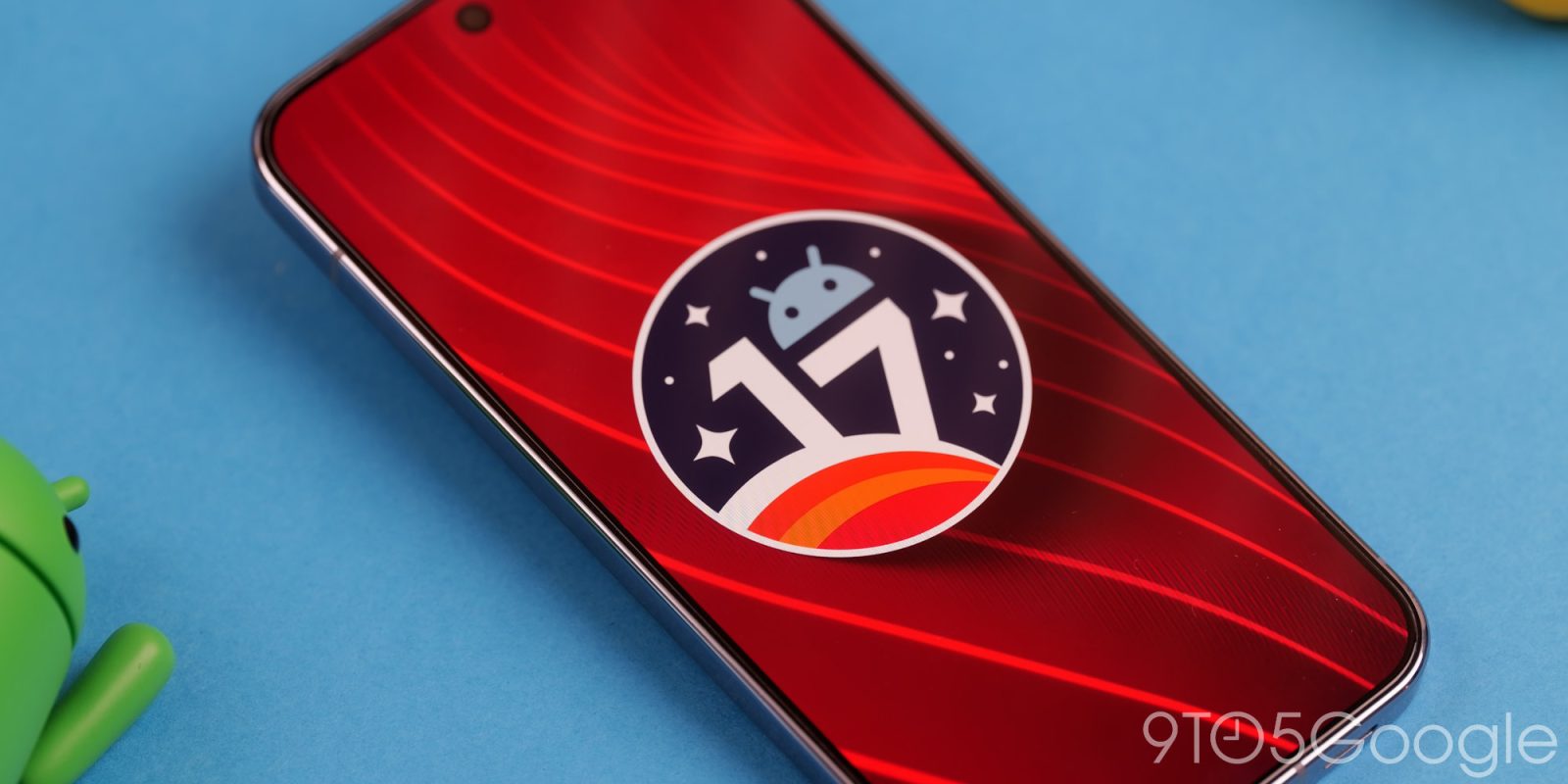
The release of Android 17 marks a strategic shift in how Google manages its mobile operating system. For years, the platform was viewed primarily through the lens of smartphone utility, but the latest developments suggest a pivot toward what is being described as an Everything OS
. This evolution focuses on a user experience that remains consistent whether a person is using a handheld device, a tablet, or a headset.
Recent updates indicate that the operating system is moving away from being a siloed mobile experience. The core objective is to allow users to move between different form factors without losing their place in a task. While previous versions focused on optimizing individual device performance, Android 17 emphasizes the connectivity between devices. This is evident in the rollout of Android XR, which expands the operating system’s reach into headsets and smart glasses, creating a unified interface for augmented and virtual reality.
This expansion is part of a broader effort to make the operating system more versatile. By integrating features that work across different screen sizes and input methods, Google is attempting to ensure that the transition from a phone to a tablet is no longer a jump between two different experiences, but a continuation of the same workflow.
Gemini and the AI-Centric Interface
Artificial intelligence serves as the functional backbone of the Android 17 release. During the 2026 Android Show, Google highlighted the deep integration of Gemini, its AI assistant, across the platform. Unlike previous iterations where AI felt like an added layer, Android 17 treats Gemini as a fundamental component of the user interface.
One of the most visible implementations of this AI shift is the Circle to Search feature, which allows users to perform searches through simple gestures. Beyond basic search, the integration of Gemini is intended to enhance creativity and productivity directly from mobile devices. This includes new tools for content creation and sharing, such as Screen Reactions, which were highlighted in recent Google Blog updates on May 12, 2026.
The role of AI extends to how the system manages user intent. The platform is increasingly designed to anticipate needs through intelligent eyewear and audio glasses, which are expected to arrive later this year. These devices will rely on the same AI frameworks found in the mobile version of Android, ensuring that the intelligence follows the user across their hardware ecosystem.
Release Timelines and Manufacturer Integration
The deployment of Android 17 is following a structured, multi-stage rollout. Currently, Google has released Android 17 Beta 4, a step that confirms the stable features that will eventually reach the general public. The technical foundation remains rooted in the Linux kernel, but the user-facing improvements are centered on the new AI and continuity features.
The stable release of Android 17 is expected to arrive around June 2026. Google typically follows a hardware-first strategy, meaning the update will debut on Google Pixel phones before expanding to other manufacturers. This allows Google to refine the experience on its own hardware before managing the complexities of third-party implementations.
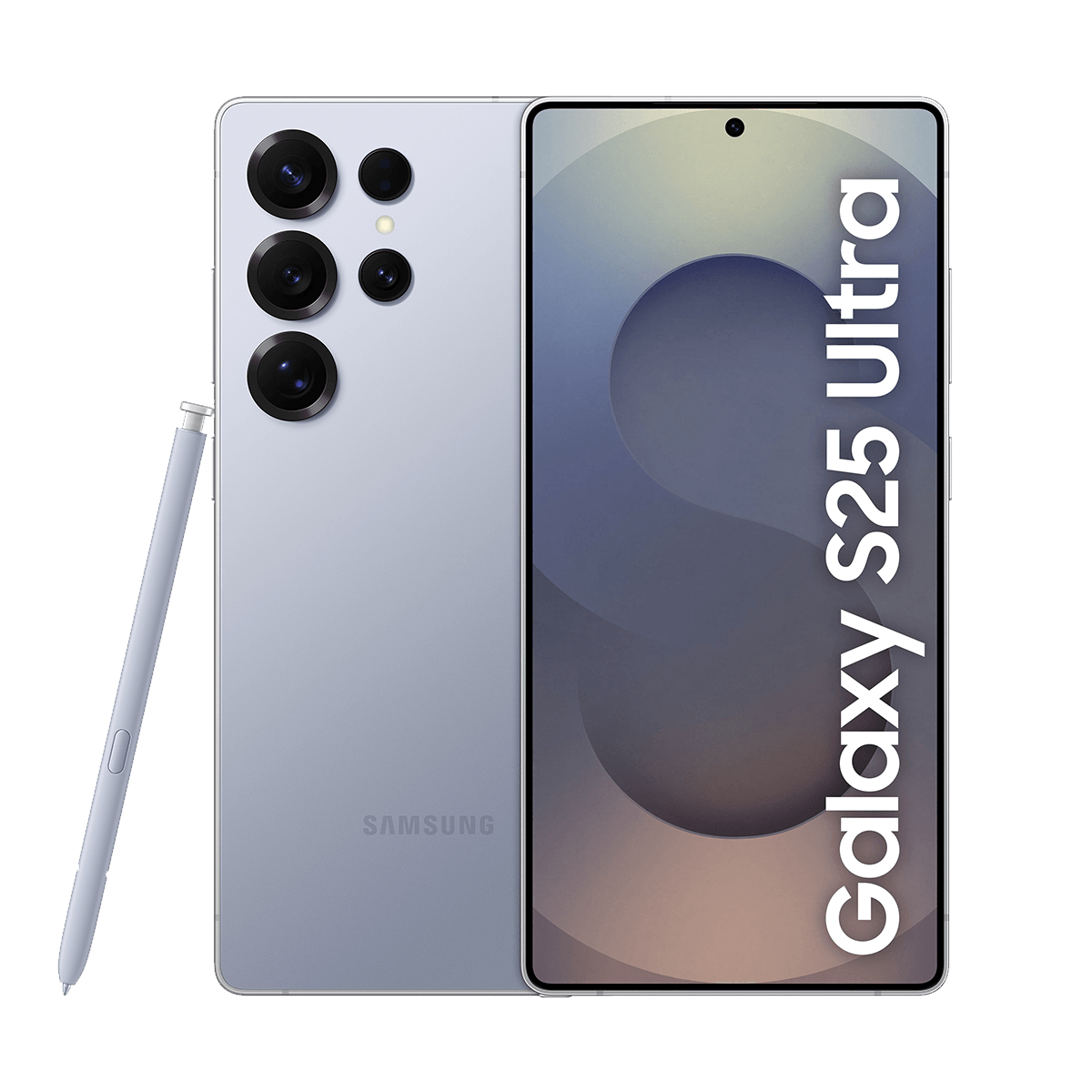
The impact on the broader Android ecosystem will be felt through major manufacturers like Samsung. Reports indicate that the One UI 9 beta, which is built upon the Android 17 framework, is expected to launch within the next two weeks. This will allow Samsung users to experience the new continuity and AI features within the specific skin used by their devices.
As the industry moves toward the stable June release, the focus remains on how effectively these new features can bridge the gap between different device categories. The success of Android 17 will likely be measured by how well it maintains a single, cohesive user experience as people move from their pockets to their desks and into augmented reality environments.
