

Warner Bros. Discovery shareholders will vote on April 23 whether to approve a $110 billion merger with Paramount, a deal that has divided Hollywood’s creative class into two distinct camps of pragmatists and activists. The proposed consolidation, expected to close in the third quarter of 2026, has triggered a massive internal revolt, with more than 3,000 industry professionals signing an open letter urging regulators to block the transaction.
More than 3,000 industry figures are opposing the Paramount-Warner merger
Florence Pugh and Pedro Pascal recently joined a growing list of signatories, including Edward Norton and Atsuko Okatsuka, who argue the merger prioritizes powerful stakeholders over the public good. The letter, published by the New York Times and hosted at BlocktheMerger.com, claims the independence and diversity of the film industry would be grievously compromised if the deal proceeds. Competition, the letter asserts, is essential for both a healthy economy and a healthy democracy.
Early supporters of the movement included Joaquin Phoenix, Ben Stiller, and Kristen Stewart. The list extends to a broad array of talent, from directors like David Fincher and Denis Villeneuve to actors such as Bryan Cranston, Glenn Close, and Jane Fonda. Fonda took her advocacy to the Oscars in March, wearing a “Block the Merger” pin to signal her opposition.
Fonda’s opposition is rooted in a personal history with the media landscape. She cited her ten-year marriage to CNN founder Ted Turner as a reason for her stake in the matter, arguing that the news organization once reported facts without taking positions. She suggested that the current merger is problematic and claimed that the parties involved felt they had to cave to specific political pressures to secure permission for the deal.
Why Jerry Bruckheimer views the deal as inevitable
Not every powerhouse producer shares this activist approach. During a CinemaCon panel for the Cinema United Filmmaker Leadership Council, Jerry Bruckheimer told Puck’s Matt Belloni that the “train has left the station.” Bruckheimer argued that petitions are largely irrelevant now that European countries are already approving the merger.
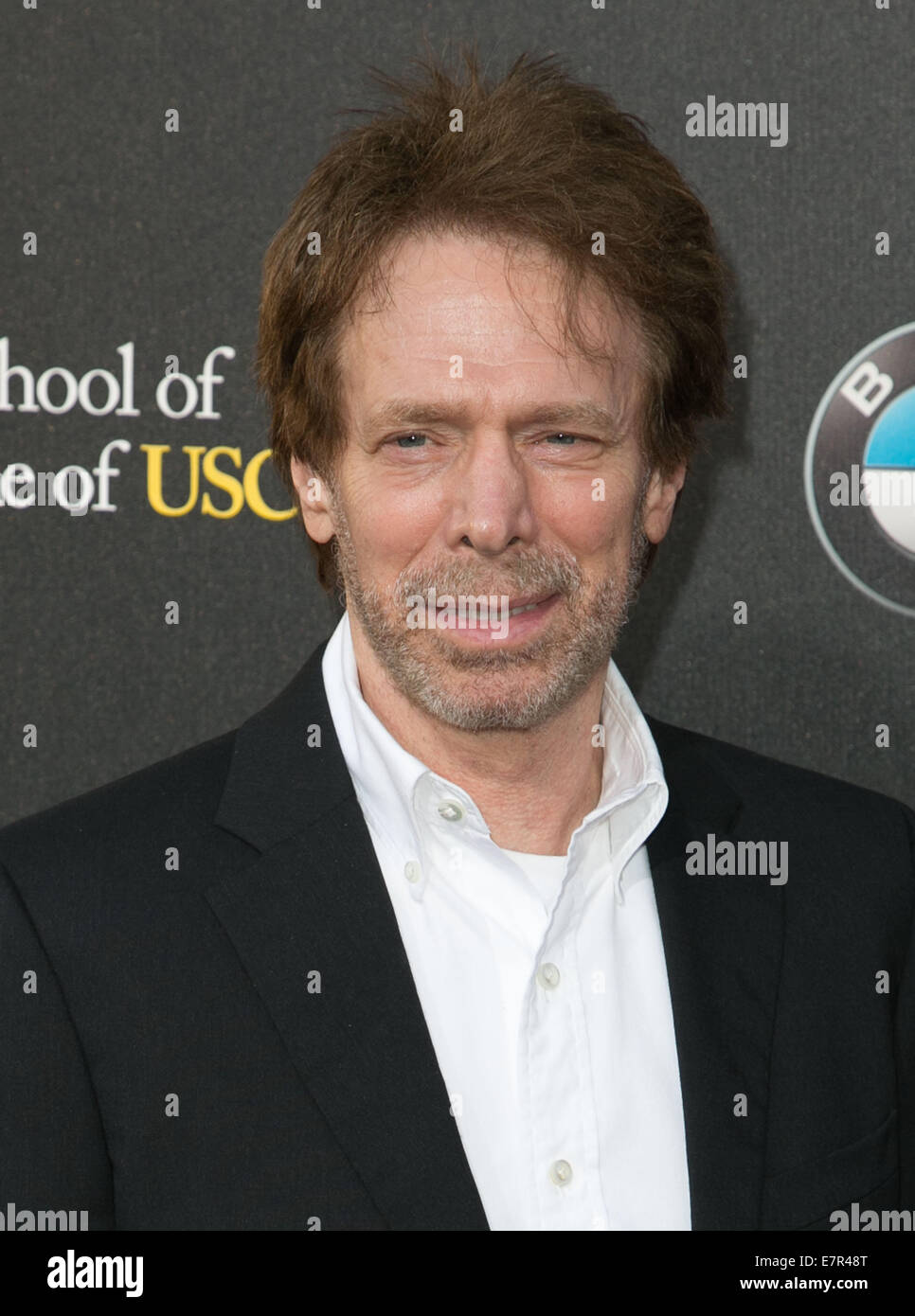
Bruckheimer’s support rests on his personal relationship with Paramount’s David Ellison. He described Ellison as someone who loves movies and possesses a passion for getting them made. In Bruckheimer’s view, there is no reason to believe Ellison would stop producing a high volume of films simply because he is merging two studios rather than acting as an independent producer.
Emma Thomas, producer of Oppenheimer, expressed a more nuanced skepticism. She admitted that people are right to be wary of the merger, noting that past industry consolidations haven’t always delivered on their promises. However, Thomas questioned whether petitions are the effective way to create actual change in the corporate structure of the studios.
Paramount promises a minimum of 30 theatrical releases annually
Paramount has attempted to quiet the creative community’s fears with a specific production guarantee. In a formal response to the open letter, the studio committed to increasing its output to at least 30 high-quality feature films every year, all with full theatrical releases.
The company also pledged to continue licensing content and to maintain independent creative leadership for its iconic brands. This strategy is designed to convince creators that they will have more avenues for their work under the new structure, not fewer.
Bruckheimer echoed this sentiment, suggesting that any attempt by lawmakers to delay the merger would actually damage the business. He argued that the industry needs studios to “stretch out” and maximize movie production to recover from recent volatility.
Industry instability has fueled the current tension
The friction over the merger is a symptom of a wider collapse in the traditional studio model. The CinemaCon discussion touched on how streaming, mass consolidation, the pandemic, and double strikes have eroded the stability of the filmmaking business.
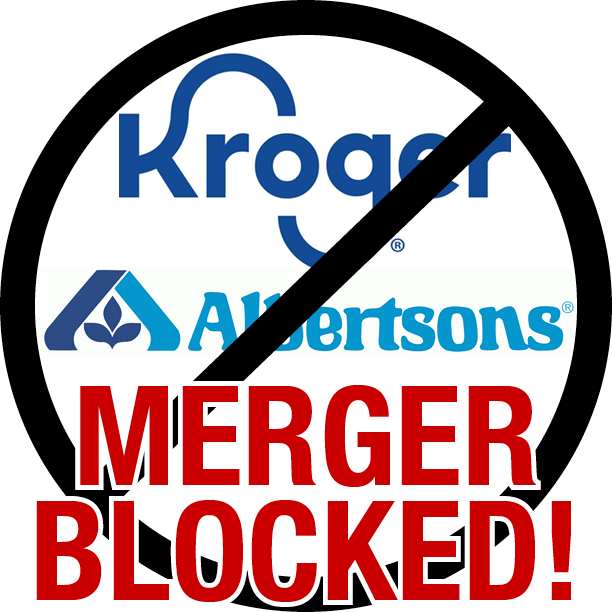
Damon Lindelof, who signed the anti-merger letter, described the situation in blunt terms, suggesting that the blue-collar workforce of the industry is the group most at risk of being harmed by the consolidation. This tension highlights a growing gap between the mega-producers who see corporate scale as a survival mechanism and the talent who see it as a threat to creative diversity.
What is the primary argument of the “Block the Merger” letter?
Signatories argue that the merger prioritizes the interests of a small group of powerful stakeholders over the public good and that it would compromise the integrity, independence, and diversity of the entertainment industry.
How does Jerry Bruckheimer’s perspective differ from the signatories?
Bruckheimer believes the merger is already inevitable due to European approvals. He trusts David Ellison’s passion for filmmaking and believes that delaying the deal would hurt the industry by slowing down movie production.
What specific commitments has Paramount made to the creative community?
Paramount has committed to producing a minimum of 30 high-quality feature films per year with full theatrical releases, while continuing to license content and preserving independent creative leadership for its brands.
