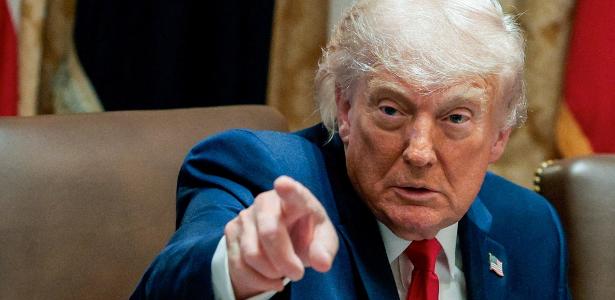
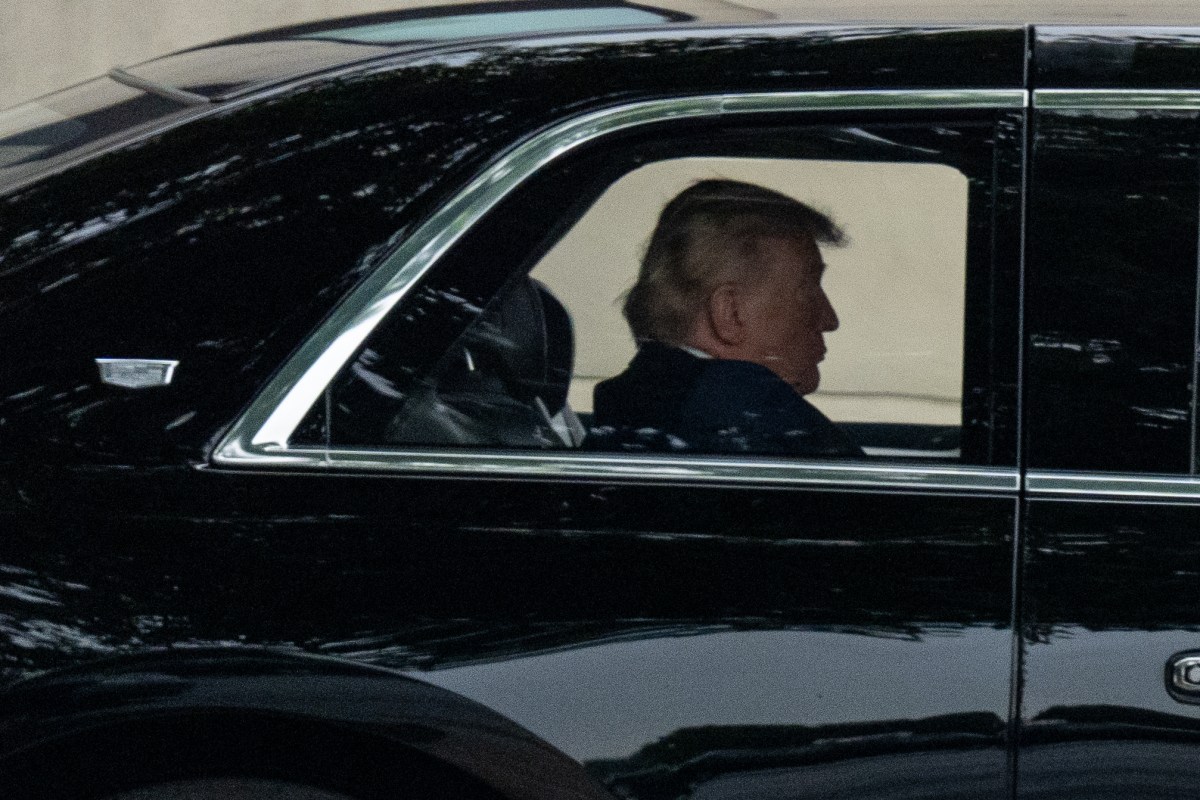
The latest medical report on Donald Trump, released by the White House on May 30, 2026, confirms the 79-year-old president is in “excellent health” and “fully capable” of performing his duties—but also reveals persistent concerns about his physical appearance and public perception of his well-being. While officials emphasize his cognitive sharpness and robust physical functions, images of bruising, swelling, and a neck mark have fueled ongoing speculation about his health, especially as he prepares to turn 80 in June.
What the Medical Report Actually Says
Trump’s most recent physical, conducted at the Walter Reed National Military Medical Center on May 26, 2026, was the third since his return to the presidency in January 2025. The report, signed by Navy Captain Sean Barbabella, Trump’s physician, states that the president’s cardiac, pulmonary, neurological, and general physical functions are “solid.” Barbabella also noted that a comprehensive neurological exam found Trump’s mental state to be normal, with no signs of depression or anxiety.
cluster (priority): UOL Notícias
“Tudo foi verificado perfeitamente.”
Donald Trump, via Truth Social, May 30, 2026
Yet the report also acknowledges visible signs of aging and activity: Trump has a “mild swelling in the lower legs,” an improvement from last year, and “benign bruises on the hands,” described as common and related to frequent handshakes and low-dose aspirin use for cardiovascular prevention. The report does not address the recent treatment of a mark on his neck, nor does it mention any new MRI scans—unlike the one conducted in October 2025.
Barbabella’s memo also includes preventive advice: Trump should adjust his diet, increase physical activity, and continue to lose weight. The president currently takes three medications: two for cholesterol and one low-dose aspirin for heart disease prevention, though the report recommends reducing the aspirin intake.
<h2 class="The Cognitive Test That Went Viral
Trump seized on the report to highlight his cognitive abilities, posting on Truth Social that he scored “30 out of 30” on a “high-difficulty” cognitive test—a result he called proof of his “extreme intelligence.” He claimed this was the fourth consecutive time he had achieved a perfect score, a rarity, he said, in such assessments. While Trump did not specify the test used, reports suggest it may have been the Montreal Cognitive Assessment (MoCA), a tool commonly used to screen for dementia.
“É muito raro alguém conseguir pontuação máxima repetidamente.”
Donald Trump, via Truth Social, May 30, 2026
Trump’s doctor declares him in ‘excellent health’ after checkup
Trump’s emphasis on cognitive testing reflects a broader political strategy: he has called for mandatory cognitive exams for all presidential and vice-presidential candidates. His post on Truth Social included a jab at Democratic opponents, asking if they were “surprised” by his results.
<h2 class="Public Skepticism vs. Official Assurances
Despite the official medical reassurances, public skepticism remains high. Images of Trump’s swollen ankles, bruised hands, and neck mark have circulated widely, raising questions about his overall health. Polls suggest more than half of Americans doubt the veracity of his medical claims, a sentiment amplified by the recent assassination attempt on July 13, 2025, which left the public questioning his physical and mental resilience.
Trump’s age—he will turn 80 in June—has also become a focal point of political debate. As the oldest person ever elected U.S. president, he has repeatedly positioned himself as more energetic and fit than his predecessor, Joe Biden, who left office in 2024 at age 82 amid concerns about his capacity. Trump’s medical reports, while positive, have done little to quell the narrative that his health is a liability rather than an asset.
<h2 class="The Stakes: What's Next for Trump's Health and the 2028 Election
The 2028 presidential election is already on the horizon, and Trump’s health will be a defining issue. His team has framed the latest report as a definitive rebuttal to critics, but the visual evidence of his physical condition continues to overshadow the medical data. The next few months will be critical: if Trump’s health deteriorates further, or if new images emerge that contradict the official narrative, the political fallout could be significant.
For now, Trump’s strategy appears to be twofold: leverage the medical report to silence doubts about his cognitive abilities, and use his public persona—including his signature handshakes and physical presence—to reinforce his image as a vigorous leader. But with the public’s trust in his health already fragile, the challenge ahead is clear: can the White House’s assurances outpace the visual evidence?
One thing is certain: the story of Trump’s health will not fade. It will only intensify as the 2028 campaign season approaches.
President Donald Trump announced a clean bill of health following a Tuesday medical assessment at Walter Reed National Military Medical Center while simultaneously defending a controversial $1.7 billion Justice Department fund. The president’s recent health disclosures and shifting claims regarding the “anti-weaponization” pot highlight ongoing scrutiny over his transparency and administration.
The Walter Reed Physical and Health Scrutiny
The Walter Reed Physical and Health Scrutiny
Following a nearly three-hour checkup on Tuesday, the president took to Truth Social to declare that Everything checked out PERFECTLY. This visit marks the fourth time Trump has seen medical experts since returning to office last year, a frequency that has kept his physical condition in the public eye as he prepares to turn 80 next month.
While official lines insist the president is in great health, Newsweek reports that some medical professionals remain skeptical. This doubt is fueled by visible signs of age and photos showing swollen ankles and bruised hands.
The current lack of detailed data stands in contrast to the transparency of his first term. On January 12, 2018, Dr. Ronny Jackson, his White House physician, released a highly detailed report. That examination revealed a weight of 239 pounds and a body mass index (BMI) of 29.9, placing Trump in the overweight category. His blood pressure was recorded at 122 over 74, and his total cholesterol was 223—a figure higher than recommended that required a low dose of the statin drug Crestor.
Trump has historically kept basic health facts shrouded in secrecy, despite his past criticisms of Joe Biden’s fitness.
Contradictions Over the $1.7 Billion Anti-Weaponization Fund
cluster (priority): newsweek.com
The administration is currently facing a narrative collision regarding the Justice Department’s new $1.7 billion anti-weaponization fund. In a span of less than a week, the president’s description of his role in the fund’s creation shifted from total detachment to a claim of personal financial sacrifice.
During an event on Monday, Trump claimed he knew very little about it and asserted, I wasn’t involved in the whole creation of it and the negotiation. He reiterated to reporters on Wednesday that he wasn’t involved in the settlement.
By Friday, however, the framing changed. According to CBS News, Trump posted on Truth Social that he had allowed the fund to move forward, claiming he bypassed a personal windfall to facilitate the program.
“I gave up a lot of money in allowing the just announced Anti-Weaponization Fund to go forward,” the president wrote. “I could have settled my case, including the illegal release of my Tax Returns and the equally illegal BREAK IN of Mar-a-Lago, for an absolute fortune. Instead, I am helping others, who were so badly abused by an evil, corrupt, and weaponized Biden Administration, receive, at long last, JUSTICE!”
Donald Trump, President of the United States
A White House official attempted to reconcile these statements, arguing there is no discrepancy because while the president did not create the fund, his decision not to settle his own IRS lawsuit prevented the fund’s obstruction.
Lawfare Redress and Political Fallout
Trump declares himself "Perfectly healthy” following Secret Walter Reed Health exam
The Justice Department defines the $1.7 billion pot as a mechanism to provide a systematic process to hear and redress claims of others who suffered weaponization and lawfare. A board appointed by the attorney general is tasked with determining the payouts.
The program has already created friction within the GOP. During a closed-door meeting on Thursday, Senate Republicans questioned Acting Attorney General Todd Blanche. Some senators expressed concern that the fund could be used to pay individuals convicted of assaulting law enforcement during the January 6, 2021, attack on the U.S. Capitol, provided they were later pardoned by Trump.
The list of potential applicants further complicates the fund’s optics. CBS News reports that Michael Caputo, a former Trump adviser, and Michael Cohen—a former lawyer for the president turned fervent critic—have both indicated they intend to apply for payouts.
Presidential Precedent and Transparency
cluster (priority): apnews.com
The tension surrounding Trump’s health disclosures reflects a broader debate over presidential transparency. While publicizing annual exams has become customary, it is not a legal requirement.
Jacob Appel, a physician and professor at Mount Sinai Hospital in New York, noted that there is absolutely no requirement for presidents to undergo or release annual health exams. Appel pointed out that Richard Nixon was the first modern president to make the practice public, establishing a norm that Trump has frequently chosen to ignore or selectively manage.
By framing his health as PERFECTLY fine without providing the granular data seen in 2018, Trump continues a pattern of using medical reports as tools for political projection rather than clinical transparency.
Between the shifting narratives of the anti-weaponization fund and the selective release of medical data, the administration is operating in a space where “justice” and “health” are defined by the president’s own Truth Social feed rather than independent verification.