
President Donald Trump warned on May 12, 2026, that Iran must reach a peace agreement or face renewed military action, describing the current ceasefire as being on life support
. While the United States maintains a blockade, Iranian officials are demanding reparations and sovereignty over the Strait of Hormuz.
The ceasefire between the United States and Iran is facing extreme instability as President Donald Trump signaled a willingness to resume military operations if Tehran does not concede to American terms. Speaking at the White House on Tuesday before departing for China, the President characterized the current state of diplomacy as a binary choice between a settlement and total destruction.
We’re either going to make a deal or they’re going to be decimated.
Donald Trump, U.S. President
Despite the President’s assertion that the administration has Iran very much under control
, the military posture in the region remains aggressive. Defense Secretary Pete Hegseth informed Congress during a hearing on Tuesday that the United States maintains a plan to escalate, if necessary.
This stance follows the announcement of major combat operations on February 28, 2026, which involved joint U.S.-Israeli strikes against Iranian military, government, and infrastructure targets.
Iranian Demands and Nuclear Red Lines
The diplomatic impasse is driven by fundamentally incompatible requirements from both Washington and Tehran. Following the failure of initial peace talks in Pakistan this past April, the Iranian government has hardened its negotiating position. Kazem Gharibabadi, a deputy foreign minister, stated that any viable peace agreement must include three specific concessions: reparations for Iran, Iranian sovereignty over the Strait of Hormuz, and an end to all United States sanctions.
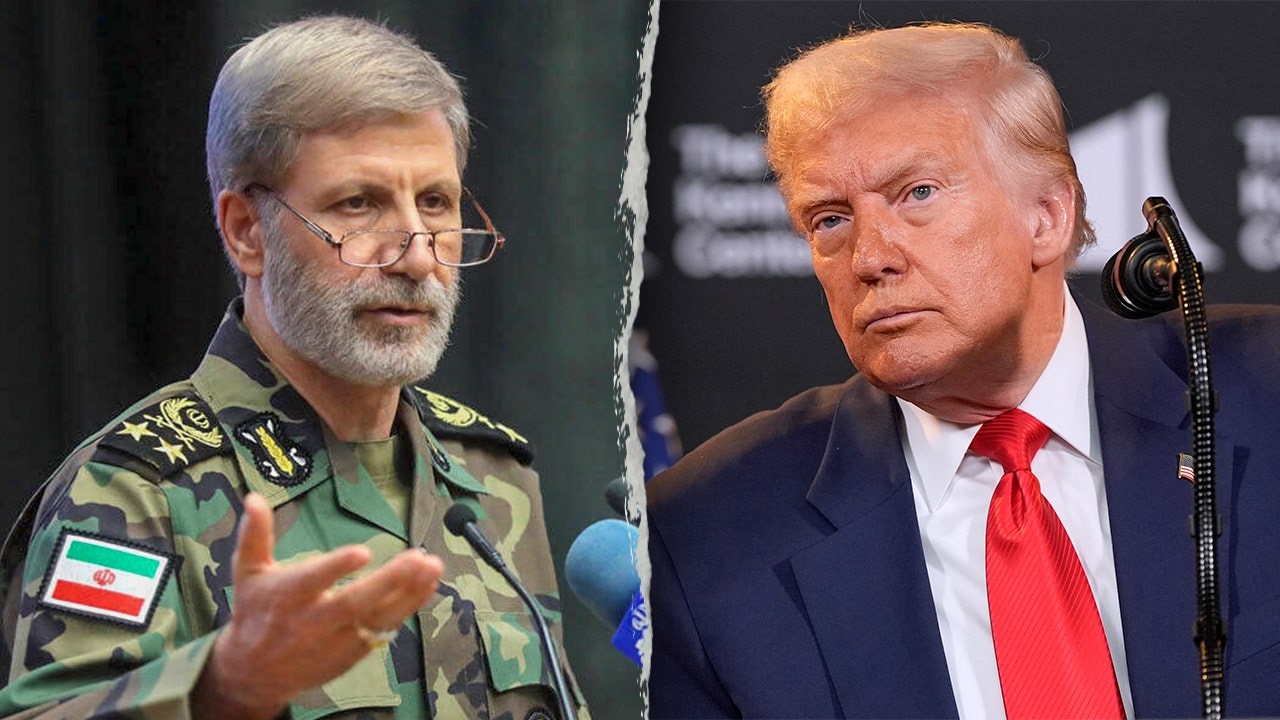
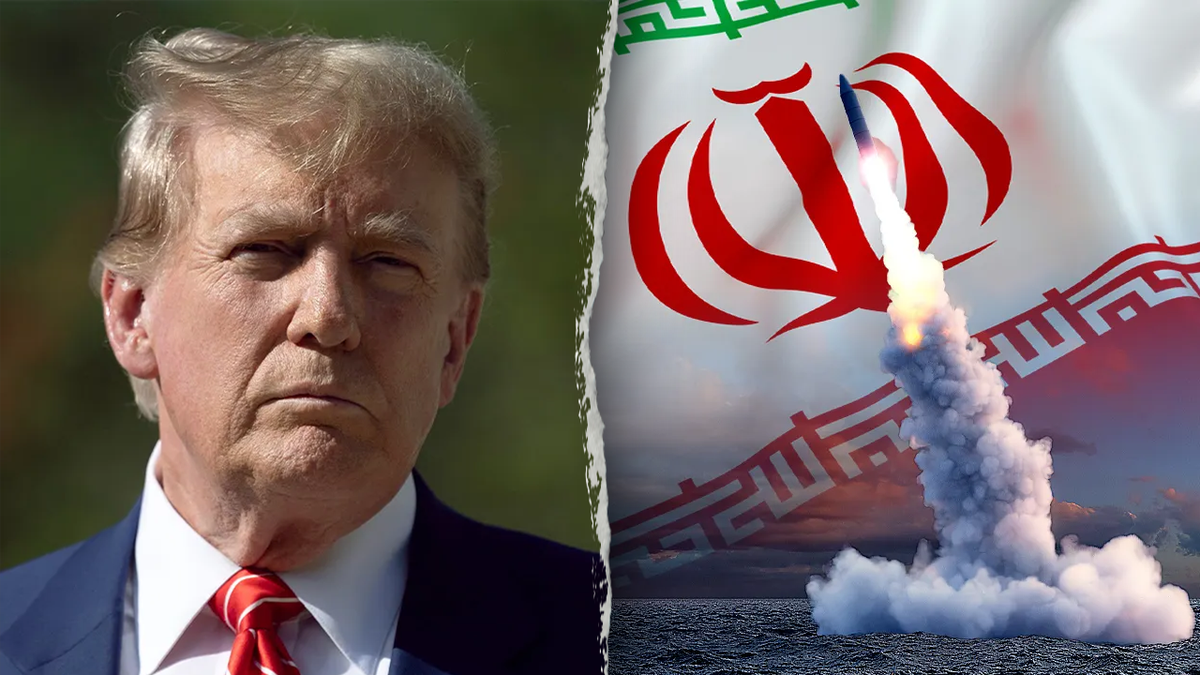
The threat of a return to full-scale war is compounded by Iran’s nuclear program. As the United States maintains a blockade and continues to press for a deal, Iranian officials have suggested that military escalation could trigger a shift in their uranium enrichment activities. Ebrahim Rezaei, a spokesman for the national security committee in Iran’s Parliament, warned on Tuesday that Tehran could consider enriching uranium to 90 percent purity—a level classified as weapons-grade—if the country is subject to further attacks.
President Trump has dismissed recent Iranian peace proposals as unacceptable
, maintaining that the primary objective of U.S. policy is to ensure that Iran does not acquire a nuclear weapon. This policy of containment has led to the current open-ended extension of the ceasefire, which remains tied to the continuation of the U.S. blockade.
The Financial Cost of the Conflict
The ongoing war is imposing a massive financial burden on the United States treasury. During a House Appropriations hearing on Tuesday, acting Pentagon comptroller Jules W. Hurst III provided updated figures regarding the cost of the military campaign. According to Hurst III, the conflict has cost at least $29 billion to date.
This figure represents a significant increase from the $25 billion estimate provided by Hurst III just two weeks ago. The additional $4 billion in costs is attributed to the replacement of military equipment and the general operational expenses required to keep personnel stationed in the theater of operations.
When questioned by Representative Pete Aguilar (D-Calif.) regarding the need for a more granular accounting of these expenditures, Secretary of Defense Pete Hegseth stated that the Department of Defense would share more detailed information when it’s relevant and required.
Economic Instability and Energy Volatility
The conflict is exerting immediate pressure on global markets and the domestic Iranian economy. The uncertainty surrounding the Strait of Hormuz and the potential for renewed strikes have contributed to volatility in the energy sector. On Tuesday, Brent crude oil rose to $107 a barrel, reflecting fears of a prolonged energy crisis.
While the rising cost of oil and general economic anxiety are significant concerns for American voters ahead of the upcoming midterms, President Trump indicated that these factors are not influencing his negotiating stance. When asked if the financial difficulties facing Americans were motivating him to reach a deal, he replied, not even a little bit.
Inside Iran, the economic consequences of the war and the U.S. blockade are intensifying. Reports from Iran International indicate that businesses across the country are scaling back operations, cutting jobs, or facing potential closure. These domestic pressures are being exacerbated by high inflation, internet disruptions, and the broader economic fallout from the ongoing military engagement.
Regional Security and the Lebanon Front
The tensions between the United States and Iran are not contained within their respective borders, as the conflict continues to impact neighboring territories. The Israel Defense Forces (IDF) reported on Tuesday that they had struck 45 alleged Hezbollah targets in southern Lebanon over the previous 24 hours. These actions occur against a backdrop of broader regional instability involving U.S.-Israeli operations against Iranian-aligned interests.
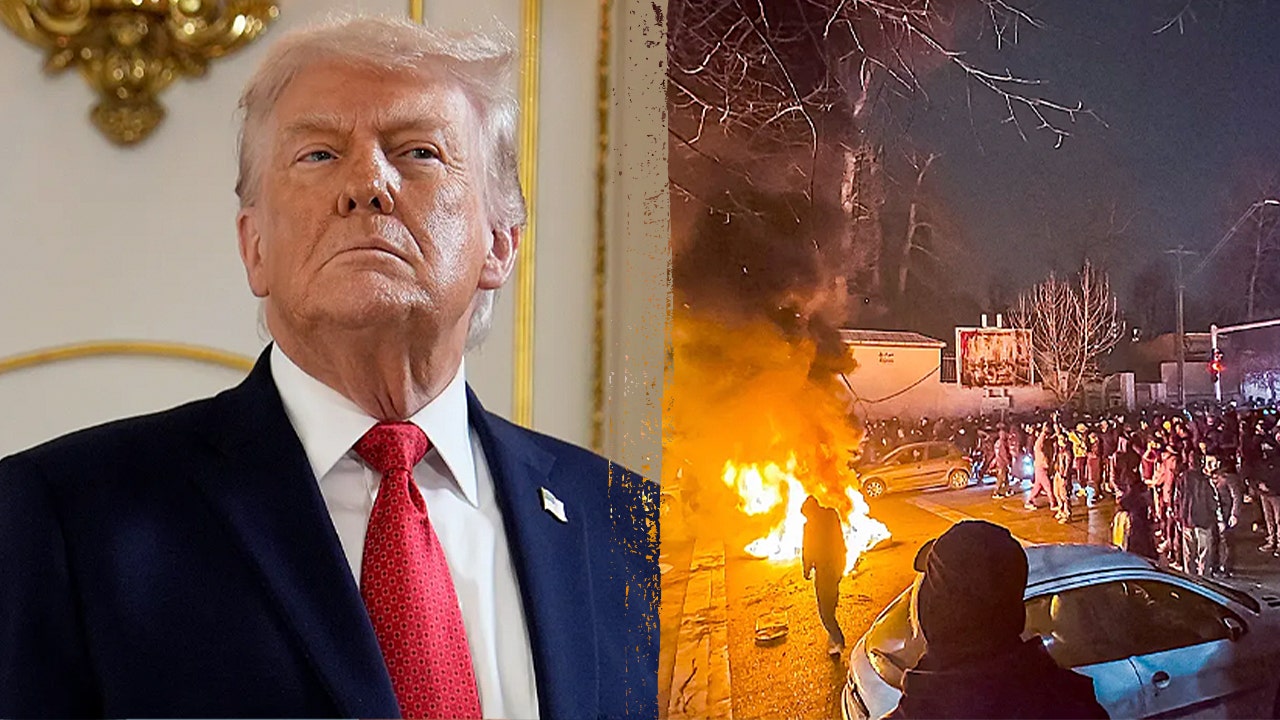
As the ceasefire remains described by the White House as being on life support,
the risk of a multi-front regional war persists. The failure of the April talks in Pakistan suggests that neither the Trump administration nor the government in Tehran—led by President Masoud Pezeshkian and Supreme Leader Mojtaba Khamenei—is currently prepared to make the concessions necessary to stabilize the region.