

Psychological experts are identifying a significant gap between the social popularity of the term trauma
and the clinical reality of psychological injuries. While the label has become common in modern discourse, researchers warn that genuine shock-induced injuries, particularly in children, are frequently overlooked, resulting in lasting consequences that persist into adulthood.
The Paradox of Modern Trauma Labeling
A tension has emerged within psychological discourse regarding how the term trauma
is applied to human experience. Recent reporting from NZZ suggests that the concept of having experienced a trauma has become so prevalent in social conversation that it is almost part of good manners today.
This shift in language implies a level of normalization where the term is frequently used to describe a wide range of emotional distress, potentially diluting its clinical significance.

This phenomenon has led to a dual challenge for mental health professionals. On one side, there is a risk of social labeling, where individuals may be funneled into
a trauma-based identity through social suggestion or the casual use of clinical terminology. This process can lead to a misinterpretation of standard emotional struggles as profound psychological injuries. On the other side of this linguistic shift lies a more critical clinical failure: the systematic under-diagnosis of severe, life-altering shock experiences that require intensive medical intervention.
When the term is applied too broadly, the distinction between transient psychological discomfort and the profound disruption of the psyche caused by a major shock event becomes blurred. This ambiguity complicates the diagnostic process and may redirect resources away from those facing the most acute psychiatric needs.
The Failure to Recognize Youthful Trauma
The diagnostic gap is most pronounced among younger populations. According to reports from Welt.de, traumas experienced by children and adolescents are still frequently overlooked by caregivers and medical professionals. This lack of recognition during critical developmental stages is not merely a temporary oversight; it has documented long-term implications.
Because the psychological damage inflicted during youth can be subtle or manifest as behavioral issues rather than explicit distress, it often bypasses early intervention protocols. Experts note that when these early injuries are not addressed, the consequences often persist well into adulthood. The failure to identify a child’s trauma can lead to a cycle of unmanaged psychological symptoms that affect emotional regulation, social integration, and mental stability for decades.
The difficulty in identification is compounded by the way trauma manifests in developing minds. Unlike adults, who may be able to articulate the impact of a shock event, children may express trauma through physical symptoms, changes in play, or academic regression, which are often misattributed to other developmental or behavioral factors.
Clinical Manifestations and Long-term Effects
To understand the severity of the issue, it is necessary to distinguish between general distress and Post-Traumatic Stress Disorder (PTSD). Clinical resources, including those from Gesundheitsinformation.de, define PTSD as a condition that develops specifically after individuals endure terrible experiences.
This is a distinct medical condition characterized by specific symptoms that go beyond the scope of common stress.
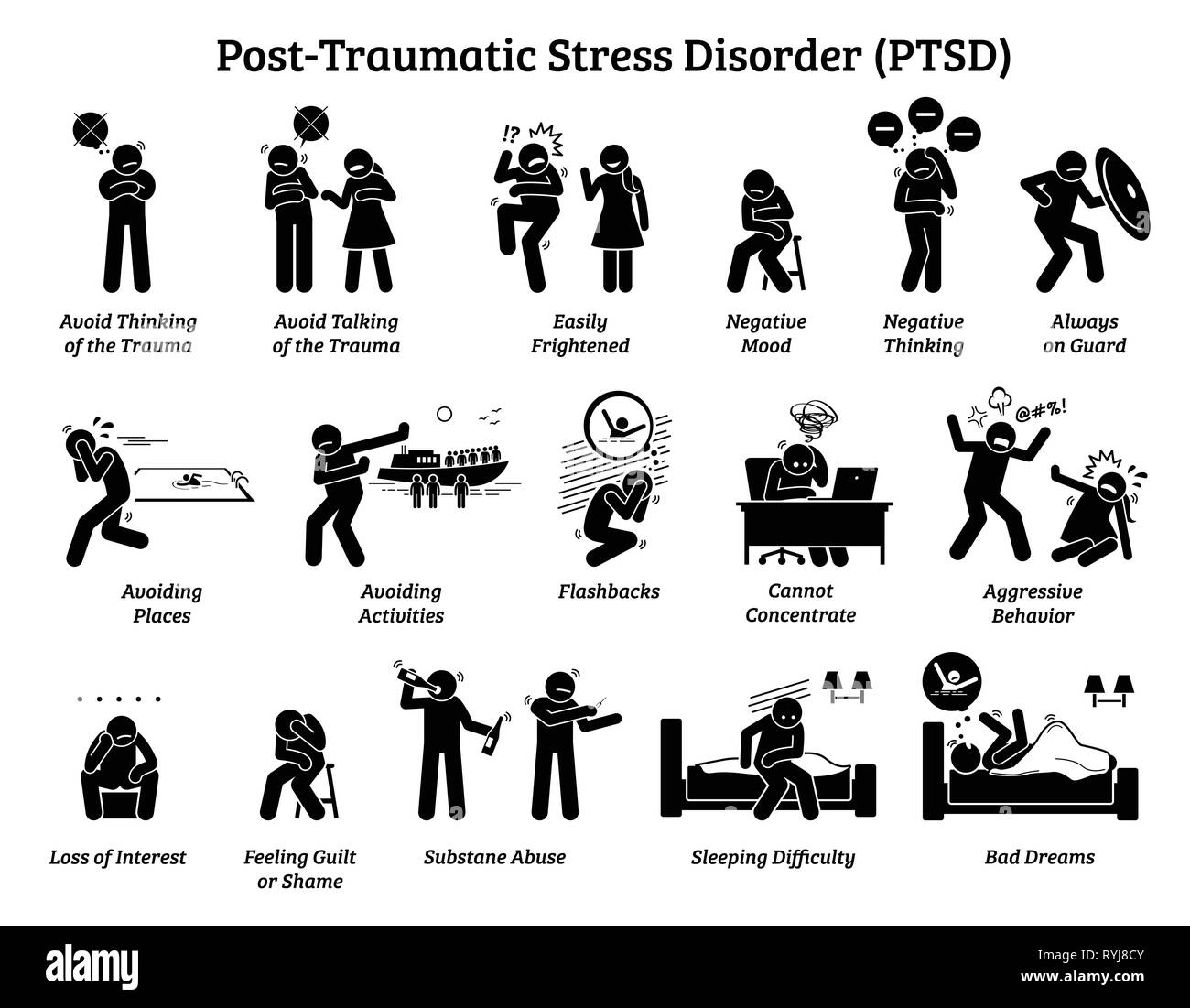
The symptoms of true psychological trauma are often persistent and debilitating. These include:
- Intrusive memories or flashbacks of the event.
- Avoidance of people, places, or thoughts that serve as reminders of the shock.
- Heightened arousal, including difficulty sleeping or extreme irritability.
- Negative changes in cognition and mood.
The Heiligenfeld report highlights that childhood trauma, when unaddressed, creates a foundation for various psychological challenges in adult life. The absence of early therapeutic intervention means that the brain’s response to stress remains calibrated to a state of high alert, making the individual more vulnerable to subsequent mental health crises. This continuity between childhood experience and adult dysfunction underscores the necessity of more precise diagnostic tools in pediatric and adolescent care.
The Complexity of Psychological Recovery
The path to recovery involves more than just the application of a label. Experts cited by Welt.de suggest that the timing and method of discussing traumatic experiences are critical components of psychological health. There is an ongoing professional discussion regarding when it is beneficial to address a trauma openly and when it is better to remain silent about what was experienced
to prevent further psychological harm or re-traumatization.
Therapeutic approaches, as detailed by ARD Alpha, focus on identifying the specific causes of trauma and implementing targeted treatments to manage symptoms. However, the effectiveness of these treatments often depends on the accuracy of the initial diagnosis. If a person is funneled into a trauma narrative that does not match their clinical reality, the resulting treatment may be ineffective or even counterproductive.
The current challenge for the field of psychology is to reconcile the increased social awareness of mental health with the need for clinical rigor. Addressing the tendency to over-label minor distress while simultaneously improving the detection of genuine, overlooked trauma in children remains a primary objective for mental health advocates and practitioners alike.