
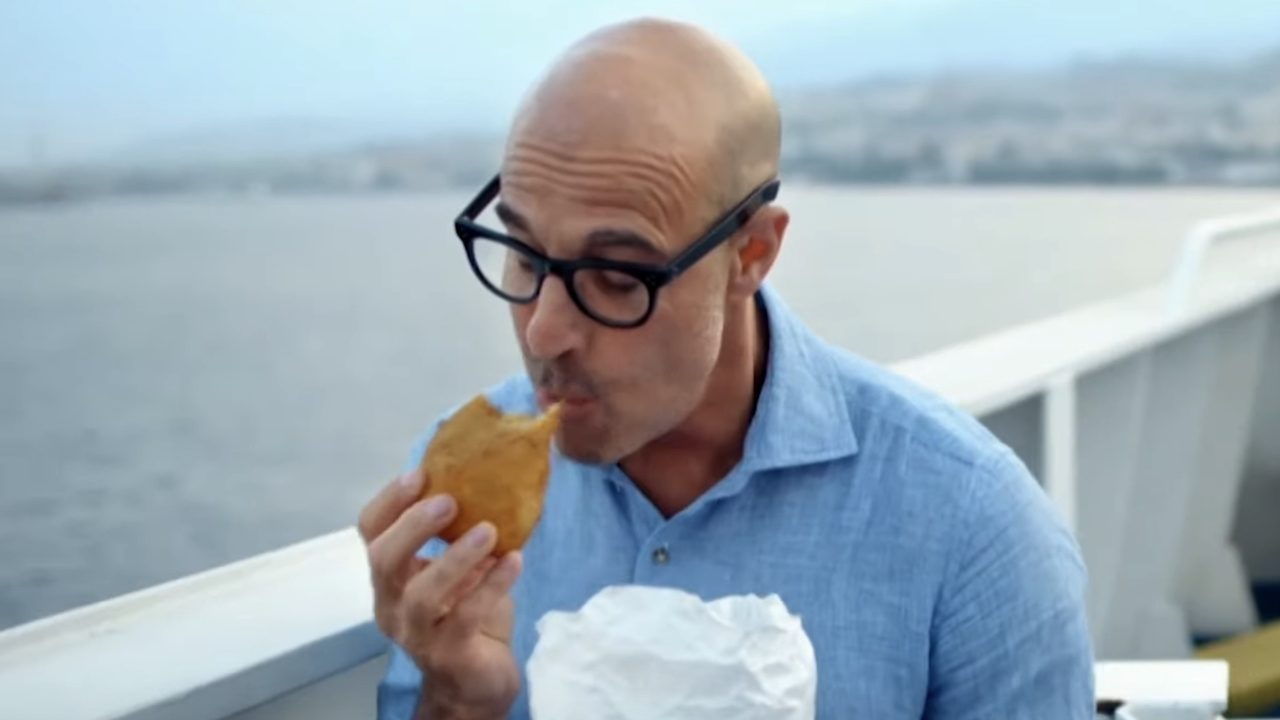
Stanley Tucci’s second season of Tucci in Italy premiered on Disney+ this week, revealing his deep connection to the country’s regional food traditions—and his ideal day would indeed include skiing, fishing, and cooking.
A Love Affair with Italy’s Regional Cuisine
Stanley Tucci’s latest foray into Italy, the second season of Tucci in Italy on Disney+, is less a travelogue and more a love letter to the country’s culinary soul. The Emmy-winning actor, known for his roles in films like The Devil Wears Prada and his best-selling memoirs, traverses five new regions—Campania, Veneto, Le Marche, Sicily, and Sardinia—each episode a deep dive into the stories, ingredients, and rituals that define Italian food.
What stands out is Tucci’s emphasis on the diversity of Italy’s cuisine, a point he underscores repeatedly. “When you say to someone, ‘You’re from Italy,’ they’ll say, ‘No, I’m from Tuscany’ or ‘I’m from Florence,’” he tells the BBC. “They’re very territorial, especially when it comes to food.” This regional pride is evident in everything from the “runaway clams” of Campania—a dish historically made with stones to mimic seafood flavor—to the fierce independence of Sardinia’s Barbagia, where local traditions remain untouched by time.

Tucci’s ideal day in Italy, as hinted at in interviews, aligns with the rhythms of the land: skiing in the Alps, fly fishing in glacial rivers, and cooking with local families. These activities are not just pastimes but reflections of Italy’s geography and history. In the north, where German and Italian cultures blend, Tucci tries his hand at fly fishing, while in the south, he revels in the simplicity of “poor cuisine”—dishes built on necessity, with just five to ten ingredients. “All of Italian cuisine is ‘poor cuisine,’” he says. “There are only five to 10 ingredients in any Italian dish, for the most part.”
Food as Identity and Connection
The second season of Tucci in Italy highlights how food is woven into the fabric of Italian identity. In Siena, Tucci explores the historic contradas, or districts, where each neighborhood fiercely guards its culinary traditions. “They all believe their contrada is the greatest,” he laughs, noting that this pride extends to food as much as to heritage.
Tucci’s journey also underscores the emotional weight of food in Italy. From family-run kitchens to al fresco meals in Sicily, every dish tells a story of community and tradition. Yet, Tucci expresses concern about modern society’s relationship with food, particularly the influence of weight loss trends. “We overthink it, and the idea of what we’re supposed to look like has messed up our relationship with food,” he warns. His series serves as a reminder to savor, not just consume.
In Tavolara, a tiny island off Sardinia, Tucci dines with the island’s king, who owns the only restaurant in the world’s smallest kingdom. Such encounters highlight the unique blend of history and modernity that defines Italy. Tucci’s love for the country is evident in his enthusiasm for its food, but it’s his ability to connect these dishes to their cultural roots that makes the series compelling.
What’s Next for Tucci in Italy
As the second season of Tucci in Italy continues to stream, Tucci’s exploration of Italy’s culinary landscape offers more than just recipes—it’s a celebration of the country’s soul. His ideal day, marked by skiing, fishing, and cooking, is a testament to the balance between adventure and tradition that defines Italian life.
For Tucci, Italy is not just a destination but a living, breathing entity, where every meal is a story waiting to be told. Whether he’s sampling “runaway clams” in Campania or fishing in the Alps, his journey reminds viewers that food is more than sustenance—it’s a language of love, identity, and connection.
