
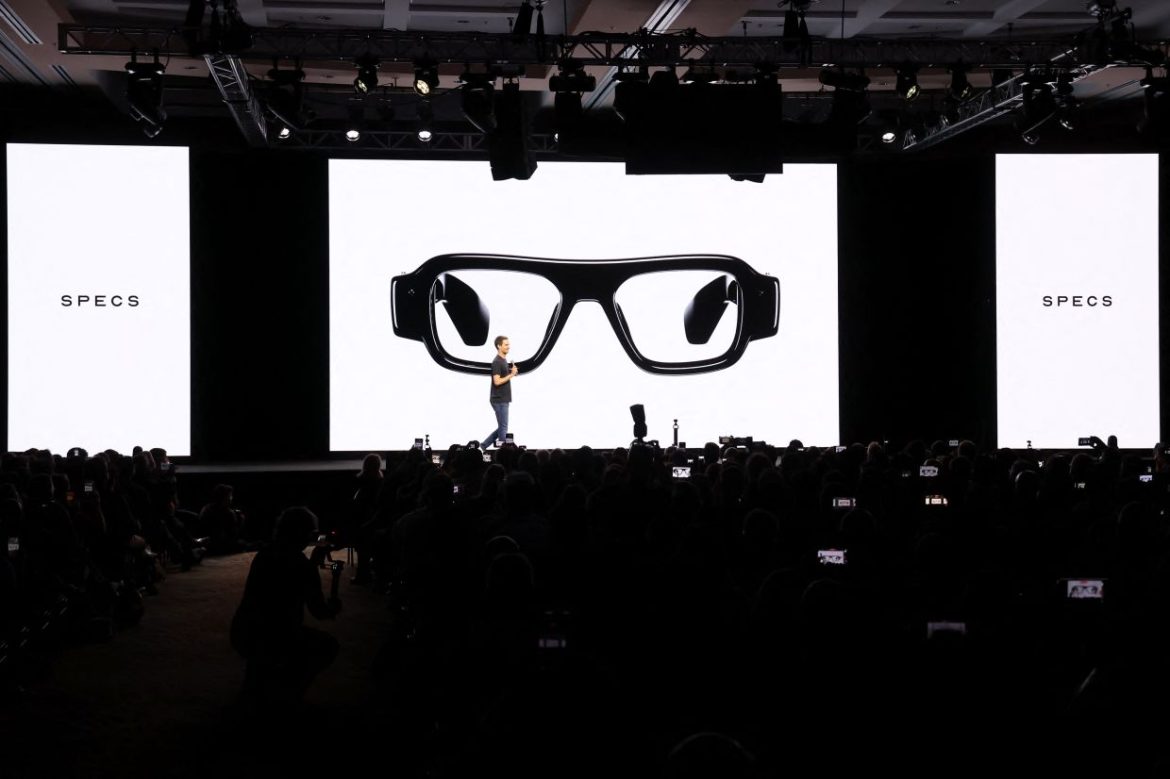
Snap launched its Specs augmented reality glasses on Tuesday at the Augmented World Expo in Long Beach, California. Priced at US$2,195, the standalone devices aim to move computing beyond smartphones. The glasses will be available this fall in the United States, the United Kingdom, and France.
How Specs Differ From Meta and Apple Hardware

The Pricing Strategy and Market Positioning

| Device | Price | Primary Category |
|---|---|---|
| Meta Ray-Ban Display | $799 | Smart Glasses / Accessory |
| Snap Specs | $2,195 | Standalone AR Glasses |
| Apple Vision Pro | $3,499 – $3,500 | Mixed-Reality Headset |
Spiegel’s Use Cases for a Post-Smartphone World
- Daily Utility: Heads-up directions, real-time translation, and a built-in virtual tape measure for work.
- Private Display: A large virtual screen for streaming content or working on airplanes and the go.
- Shared Computing: Collaborative experiences where multiple users view and interact with the same 3D model or game.
Financial Pressure and the Irenic Capital Conflict
The launch arrives during a period of severe financial instability for Snap. The company has been in the red since its 2017 stock market debut and cut approximately 1,000 jobs—16% of its workforce—in April. The Specs project is a point of contention with shareholders. Irenic Capital Management, an activist fund, has demanded that the operation be shut down or sold off, claiming it has absorbed more than US$3.5bil. In an apparent move to isolate the project’s risk and development, Snap created a subsidiary called Specs Inc. in January. Wall Street’s immediate reaction was lukewarm. Snap shares fell roughly 4% following the announcement. This decline reflects a mix of concerns over the device’s “intimidating” price and social media criticism regarding the physical size of the frames. “We’ve been really clear with investors since we founded the company that we’re going to manage the business for the long term and really in service of our community and our customers,” Evan Spiegel, CEO of Snap While Meta and Google can subsidize hardware losses with dominant ad businesses, Snap lacks that same cushion. The success of Specs now depends on whether developers can create “killer apps” that make a $2,195 pair of glasses a necessity rather than a luxury toy.Find more reporting in our Technology section.
