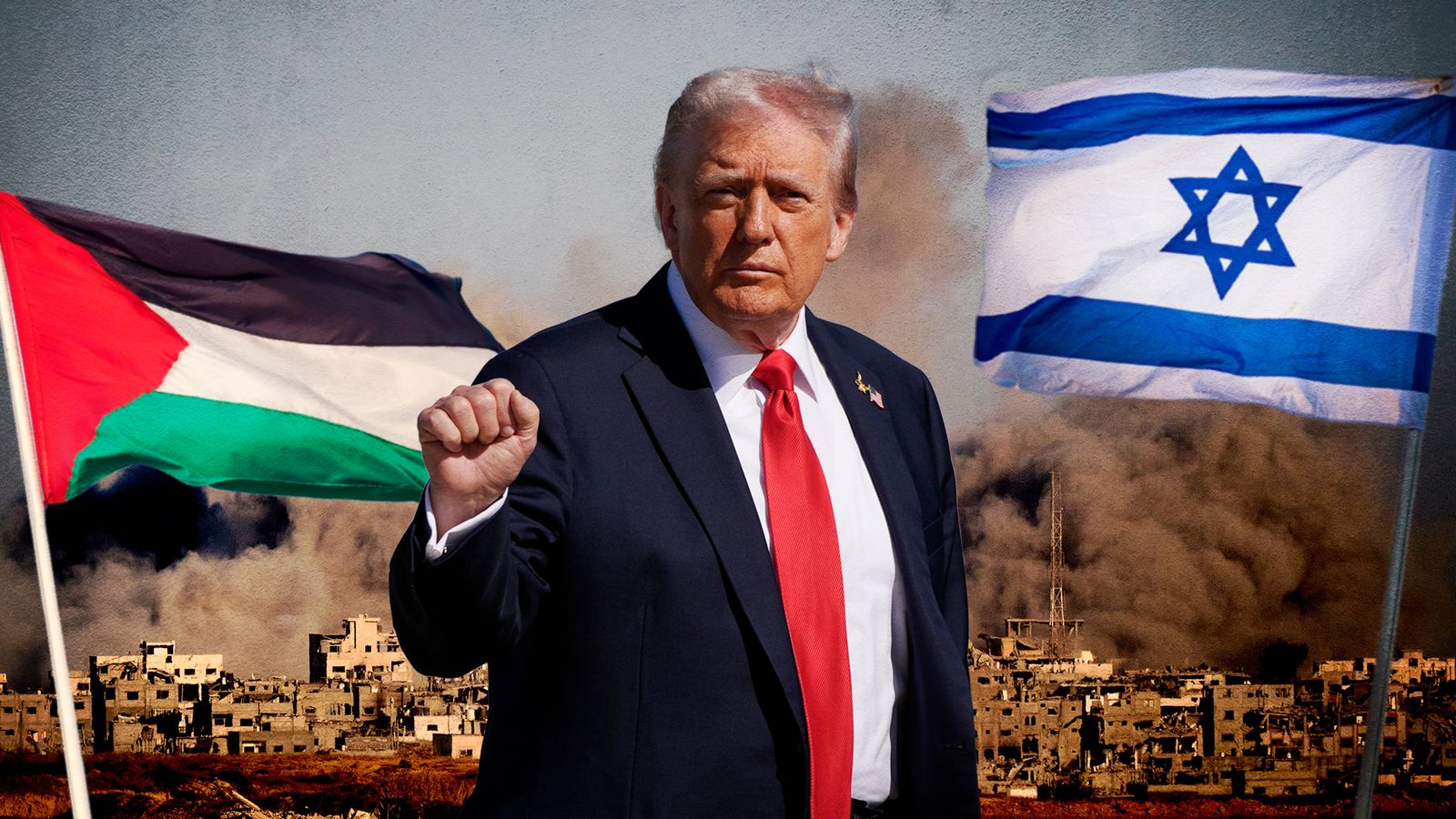
The Trump administration has proposed a reconstruction framework for Gaza that shifts the financial burden from U.S. taxpayers to Palestinian authorities and regional partners. This strategy, outlined in early 2026, prioritizes private investment and Gulf state contributions to rebuild infrastructure, contingent on a total security overhaul of the Gaza Strip.
The White House has signaled a departure from the traditional model of direct American aid for the Gaza Strip. Rather than relying on USAID grants or direct budgetary support, the current administration is pushing for a consortium-led approach. This model requires the Palestinian Authority (PA) and a coalition of Arab nations to provide the primary capital for rebuilding residential and commercial sectors.
Shifting Financial Obligations to Regional Partners
Central to the administration’s strategy is the belief that long-term stability in Gaza cannot be achieved through recurring U.S. subsidies. Officials have argued that the financial responsibility for reconstruction must lie with those who will oversee the territory’s future governance. This shift aligns with the broader America First
foreign policy, which seeks to reduce the U.S. fiscal footprint in Middle Eastern conflict zones.
The administration is actively courting Gulf states, specifically the United Arab Emirates and Saudi Arabia, to lead the funding efforts. In exchange for these investments, the U.S. is offering expanded security guarantees and the further integration of the Abraham Accords. The goal is to link the reconstruction of Gaza to a regional economic pact that incentivizes stability through trade and infrastructure development.
This approach effectively transforms Gaza from a humanitarian crisis zone into a regional investment project. By conditioning aid on the participation of Gulf capitals, the U.S. ensures that these nations have a vested financial interest in preventing the return of militant governance to the strip.
Palestinian Authority Funding Mandates
The Trump administration has demanded that the Palestinian Authority undergo significant structural reforms before it can access or manage reconstruction funds. The White House has indicated that it will not support any plan where U.S. funds are diverted to the PA without strict oversight and a demonstrated commitment to the total removal of Hamas from any administrative role.
The strategy emphasizes the use of Palestinian assets and the mobilization of the Palestinian diaspora to fund the rebuilding of civil infrastructure. This requirement is designed to ensure local ownership of the reconstruction process and to eliminate the dependency on international handouts that the administration claims has historically fostered instability.
The waterfront of Gaza is very valuable. It is prime real estate.
Donald Trump, President of the United States
This perspective on Gaza’s geography informs the administration’s push for privatization. There are ongoing discussions about creating special economic zones along the coast, where private developers can build resorts, ports, and commercial hubs. The revenue generated from these ventures would, in theory, fund the reconstruction of the interior’s devastated residential areas.
Security Conditions for Capital Inflow
Investment from Gulf states and private entities remains contingent on a security guarantee that the administration terms absolute demilitarization
. The U.S. is coordinating with the Israeli government to establish a security perimeter and a monitoring mechanism that ensures no reconstruction materials are diverted for military use.
The administration has proposed a transition period where an international security force, potentially composed of Arab nations, manages the territory. This force would provide the necessary stability to protect the investments of the consortium. Without this security umbrella, the White House has stated that the risk remains too high for the private capital it seeks to attract.
Israeli officials have expressed cautious support for this model, provided that Israel retains ultimate security control over the borders and the airspace. The tension between the desire for Arab-led governance and the requirement for Israeli security oversight remains the primary friction point in the plan’s implementation.
Geopolitical Risks and Implementation Hurdles
The success of the Palestinian-funded model depends on the willingness of the PA to accept terms that may be unpopular with its domestic constituency. Requiring the PA to secure funding from regional partners and private developers could be framed as a surrender of sovereignty, potentially undermining the authority’s legitimacy in Gaza.
Furthermore, the administration’s reliance on Gulf states assumes a level of regional stability that is not guaranteed. While Saudi Arabia and the UAE have shown interest in the broader Abraham Accords framework, their commitment to Gaza is tied to a clear path toward a sustainable political resolution. If the security transition fails or if militant remnants continue to disrupt the peace, the consortium’s funding may evaporate.
The plan also faces criticism from international bodies that argue the shift away from humanitarian aid toward private investment ignores the immediate needs of the displaced population. Critics suggest that focusing on prime real estate
and commercial hubs may lead to the displacement of the poorest residents in favor of luxury developments.
As the administration moves toward the execution phase, the focus remains on the financial mechanisms. The White House is currently negotiating the terms of a regional trust fund that would manage the contributions from Arab partners and ensure that every dollar is tracked. The outcome of these negotiations will determine whether Gaza is rebuilt as a sustainable city or remains a series of disconnected investment projects.