
The ‘Wide’: A Form Factor That Differs from the Standard
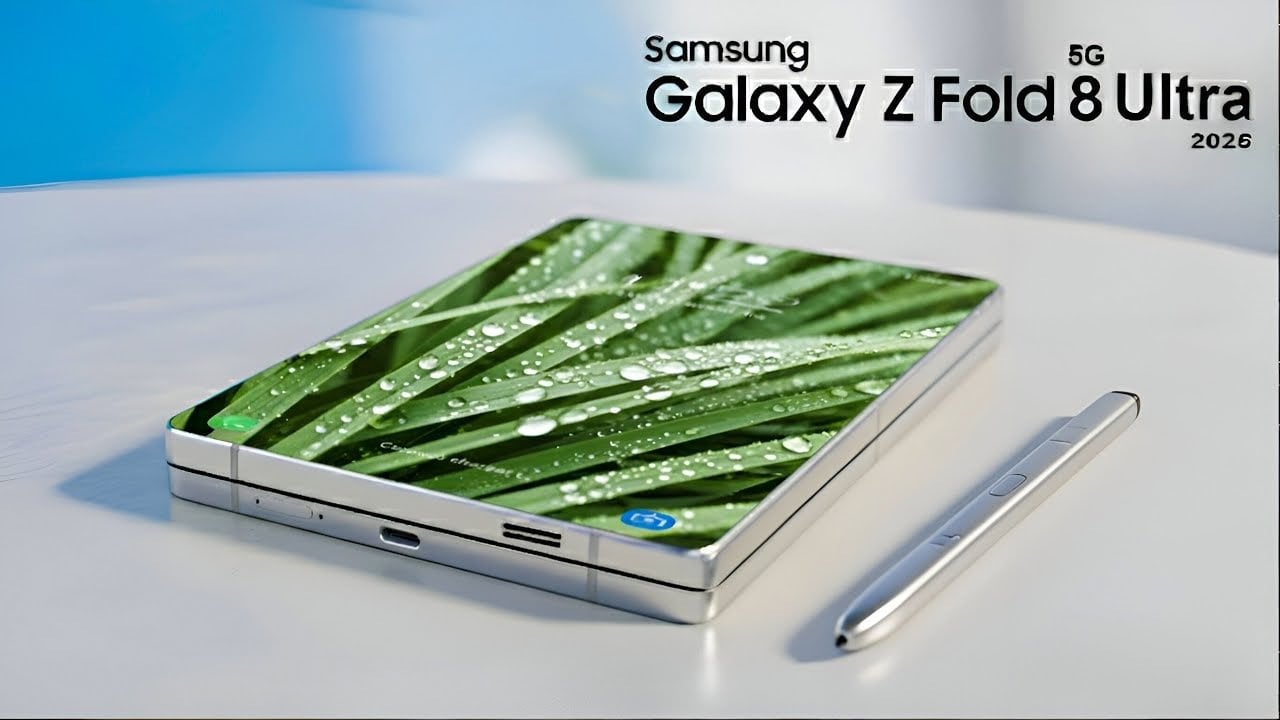
The Galaxy Z Fold 8 ‘Wide’ presents a distinct approach to the book-style foldable design. Leaked images from 9to5Google depict dummy units alongside the standard Fold 8 and Flip 8, highlighting the ‘Wide’s’ shorter and squatter profile. This variant is closer in height to the Flip than to its taller sibling, a shift enabled by its 4:3 inner display—a first for Samsung’s mainstream foldable lineup. The aspect ratio aims to reduce scrolling for documents and enhance split-screen multitasking, though it results in a narrower outer screen that may limit one-handed usability.
This addition marks the first time Samsung has released two book-style foldables in the same generation. The standard Fold 8 retains its familiar 21:9 inner display, optimized for media consumption and multitasking. The ‘Wide,’ in contrast, prioritizes a more compact folded form, catering to users who prefer a device that feels less like a small tablet when carried. Industry observers note that this dual-model approach reflects Samsung’s effort to address varying consumer preferences within the foldable market.
Why Two Foldables? Expanding the Lineup Ahead of Industry Shifts
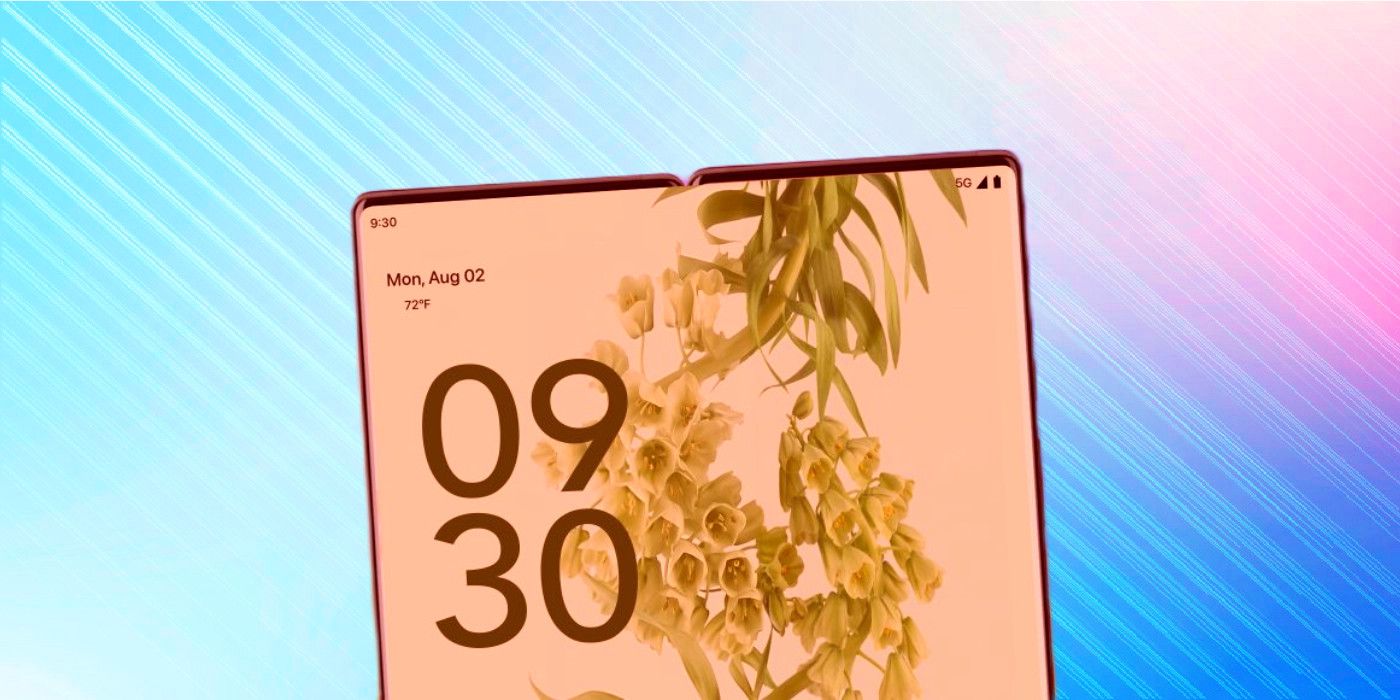
The timing of Samsung’s dual-model release aligns with ongoing discussions about Apple’s potential foldable iPhone, which has been the subject of rumors for a 2026 launch. Analysts suggest that Samsung’s introduction of the ‘Wide’ may be part of a broader strategy to diversify its foldable offerings before new competitors enter the market. This approach mirrors Google’s 2023 Pixel Fold, which introduced a wider, shorter design, though Samsung’s decision to offer two distinct form factors simultaneously represents a more ambitious expansion of its lineup.
For more on this story, see Apple’s Foldable iPhone Design Revealed in Leaked Dummy Units, Contradicts Samsung Approach.
The ‘Wide’ also responds to feedback about the bulkiness of previous foldable models. Leaked mockups indicate that the device’s folded height is nearly identical to that of the Flip 8, a design choice that could appeal to users who have hesitated due to the size of earlier Fold models. However, the trade-off—a narrower outer display—may not suit those who rely on quick glances at notifications or one-handed operation. Samsung’s move reflects an effort to cater to different user needs, though the success of this strategy will depend on how well the two models complement each other in the market.
The Qi2 Problem: Samsung’s Continued Use of Proprietary Wireless Charging
The leaked dummy units also reveal that the ‘Wide’ retains Samsung’s proprietary wireless charging hardware, identifiable by the distinctive rings that have long been a point of frustration for users of non-Samsung accessories. The company’s decision to forgo Qi2, the industry-standard magnetic charging protocol, means compatibility issues will persist, even as competitors like Apple and Google adopt the standard. For a device positioned as a productivity tool, this omission is notable, particularly in markets where cross-brand charging compatibility is increasingly valued.
Samsung’s stance on wireless charging is not new, but it remains at odds with broader industry trends. The ‘Wide’ could have served as an opportunity to adopt Qi2, especially given its target audience of professionals who often use multiple devices. Instead, Samsung appears to be reinforcing its ecosystem, which may limit the device’s appeal among users who prioritize interoperability. This decision highlights a recurring tension in Samsung’s foldable strategy: balancing innovation with a commitment to its proprietary technologies.
Which Fold 8 Fits? Evaluating the Options
For consumers considering the Galaxy Z Fold 8 lineup, the choice between the standard model and the ‘Wide’ hinges on individual priorities. The ‘Wide’ is designed for users who value a more compact folded form while still benefiting from a large inner display. The standard Fold 8, with its taller aspect ratio, remains better suited for media consumption and multitasking. The ‘Wide’s’ 4:3 display may also appeal to those who frequently work with documents or spreadsheets, as the squarer screen reduces the need for excessive scrolling.
The broader implications of Samsung’s dual-model strategy remain to be seen. The foldable market is still relatively niche, and introducing two variants could risk diluting demand. However, if Apple’s entry into the foldable space drives wider adoption, Samsung’s approach may position it as the brand with the most versatile lineup. The ‘Wide’ may not suit every user, but its introduction signals that Samsung is exploring multiple avenues within the foldable category.
Key developments to monitor include the official launch on July 22, where details about pricing, software optimizations for the ‘Wide’s’ display, and real-world durability will be revealed. These factors will determine whether the ‘Wide’ succeeds as a strategic addition to Samsung’s foldable lineup or simply becomes another variant in an already crowded market.