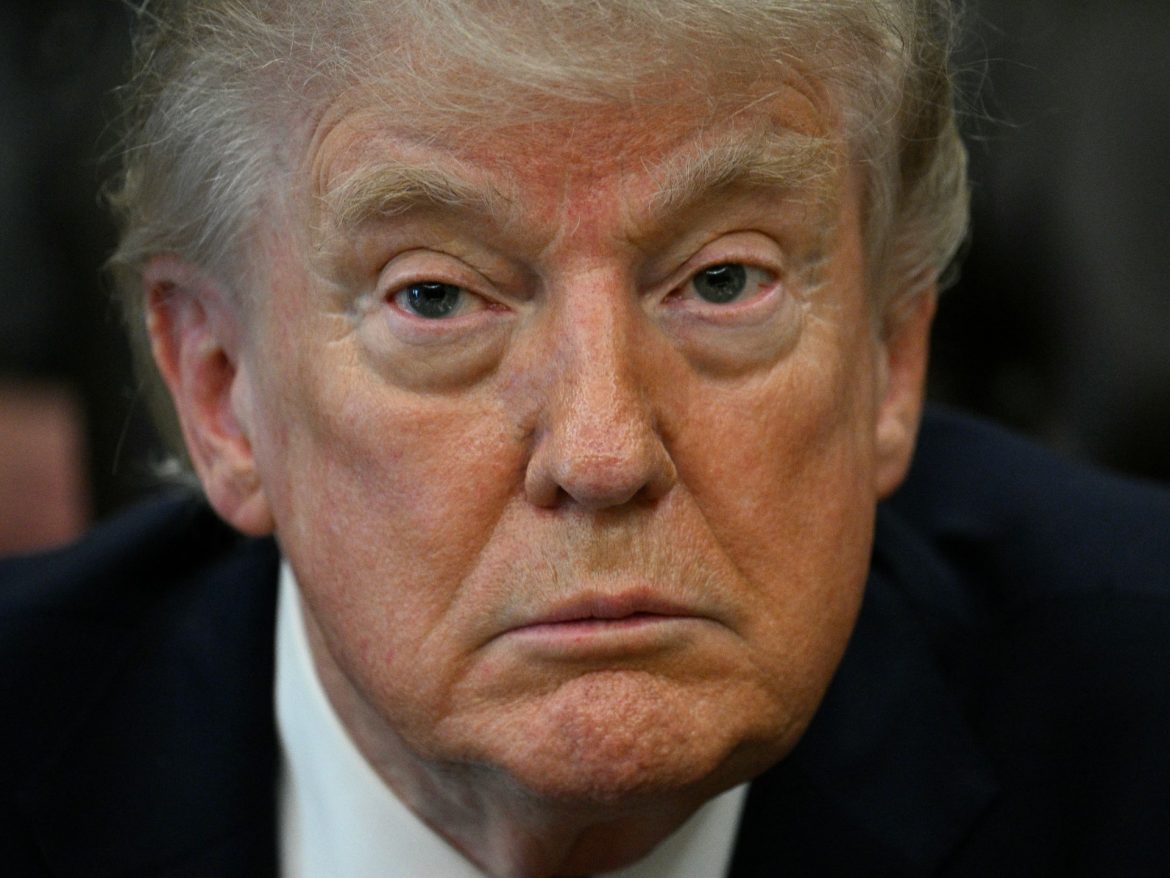
Pakistan has transmitted a formal response from Iran to the United States, serving as a mediator in ongoing peace negotiations. This diplomatic movement follows recent reports that Tehran submitted additional demands, as officials in Islamabad attempt to facilitate an agreement to end the conflict between the two nations.
Pakistan’s Role as a Diplomatic Conduit
The government in Islamabad has transitioned from active back-channel diplomacy to a more specialized role as a messenger between Washington and Tehran. While earlier efforts involved energetic diplomatic maneuvering to bring both parties to the table, the current stage of negotiations has shifted toward the urgent task of passing messages as direct momentum has stalled, according to reports from The Guardian.
Pakistan’s involvement is underpinned by its status as a middle power and a declared nuclear-weapon state with significant regional influence. This positioning has allowed Islamabad to act as a neutral ground for discussions. Reports indicate that the Pakistani government maintains a belief that a deal between the United States and Iran remains within reach, despite the fluctuating nature of the demands being exchanged.
The timeline of this mediation suggests a protracted effort. Negotiations were reportedly set to begin in Islamabad on April 10, 2026. Throughout late April, mediators in the country anticipated receiving new proposals from Iran aimed at resolving the ongoing Middle East conflict. By May 10, 2026, Pakistan confirmed it had received Iran’s response to a United States proposal and had subsequently forwarded that response to Washington.
US Presidential Reaction and Legal Disputes
The American response to the Iranian proposals has been characterized by skepticism from President Donald Trump. Following a proposal passed to Pakistani mediators on May 1, 2026, the President expressed dissatisfaction with the terms offered by Tehran. Speaking to reporters, Trump indicated that the current trajectory of talks was not yielding progress, stating that his options remained either blast them away or make a deal
.
The specific points of contention in the Iranian proposal have not been made public, but the President suggested the terms were unacceptable to the United States. They’re asking for things I can’t agree to,
Trump told reporters during a briefing regarding the stalled negotiations.
This diplomatic impasse has also triggered a legal confrontation within the United States regarding the War Powers Act. The legislation requires the President to seek congressional authorization to continue hostilities beyond 60 days. However, President Trump has moved to waive the Friday deadline imposed by the act. In a letter to congressional leaders, Trump argued that the White House does not require legislative approval because a prior ceasefire agreement with Iran effectively paused the 60-day clock.
This interpretation of the law is not universally accepted. Many legal experts have disputed the President’s claim that the ceasefire paused the statutory timeline. Trump has further challenged the authority of the Vietnam-era law, suggesting it is unconstitutional
.
Shifting Demands and Negotiation Timelines
The negotiation process remains highly volatile, with new developments emerging even as previous proposals are being reviewed. While Pakistan forwarded Iran’s response to the United States on May 10, 2026, fresh diplomatic developments surfaced just days later. Reports from May 17, 2026, indicate that Tehran has submitted an additional set of demands to the negotiating table.
The rapid succession of proposals and counter-proposals highlights the instability of the current peace process. The role of Pakistan as a facilitator remains critical, as the movement of these documents through Islamabad provides the only consistent channel of communication between the two adversarial powers. The success of this mediation will depend on whether the United States can reconcile its domestic legal requirements and presidential objectives with the specific demands currently being presented by the Iranian government.