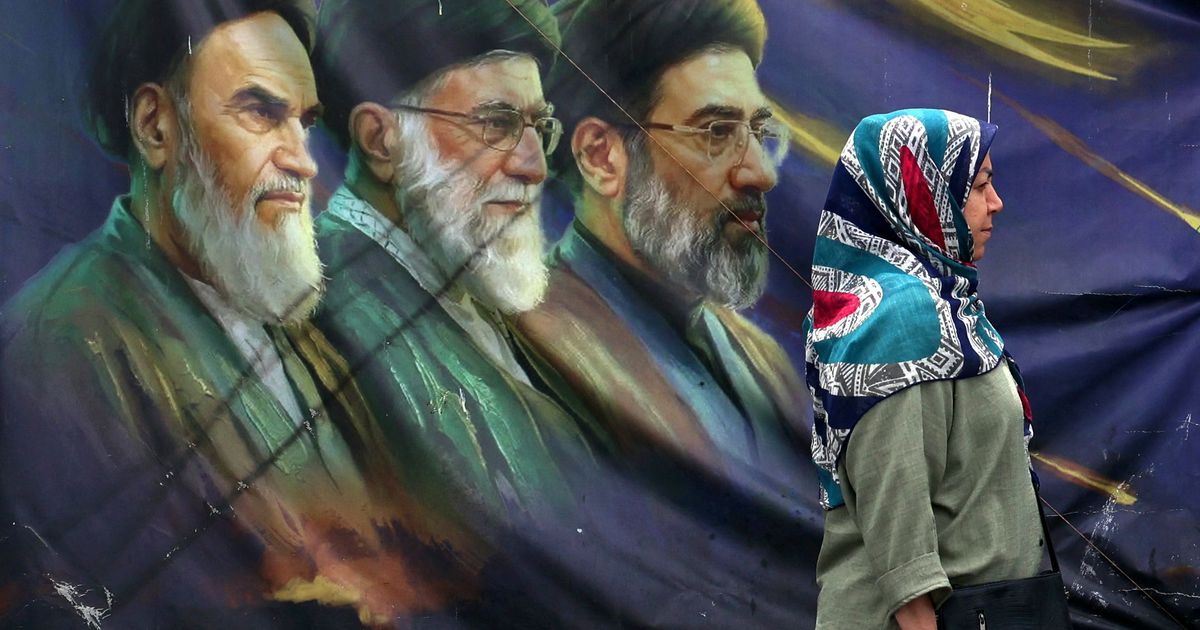
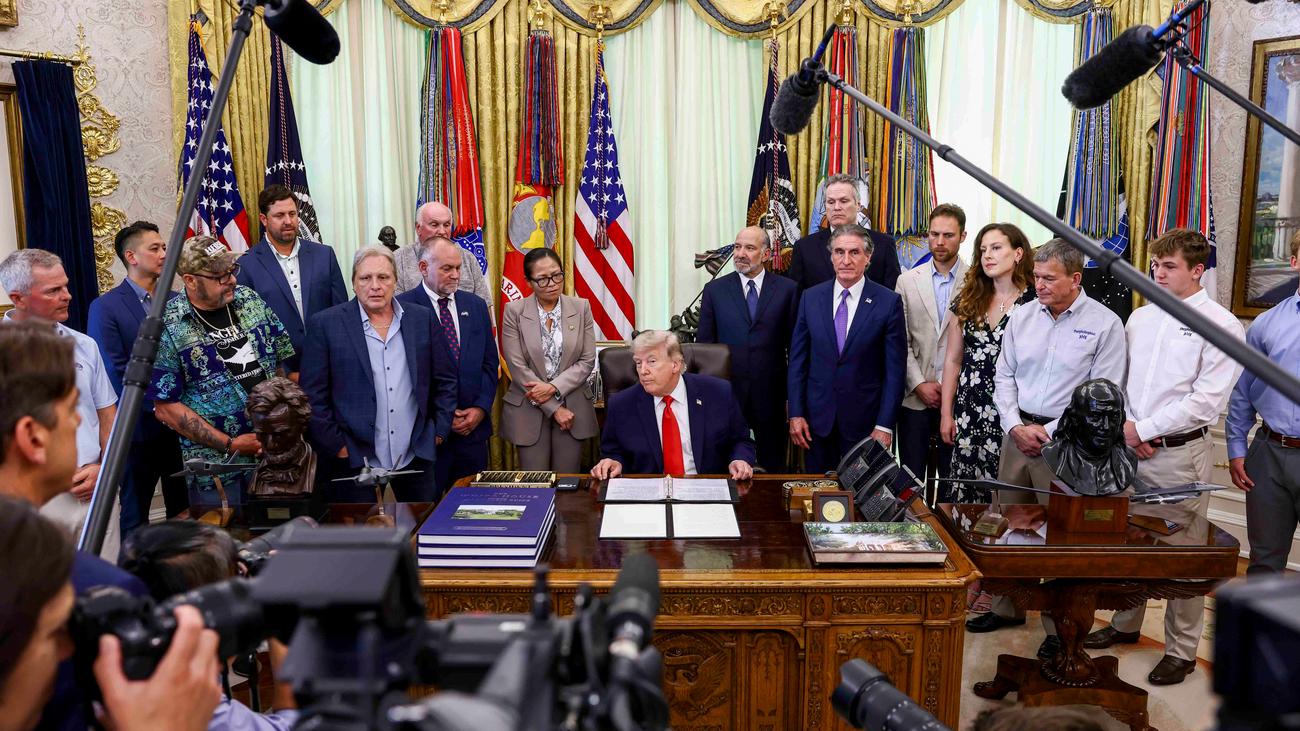
President Donald Trump announced Sunday that the United States and Iran reached a deal to reopen the Strait of Hormuz and lift the U.S. Naval blockade. While Pakistan’s Prime Minister Shehbaz Sharif confirmed a permanent end to military operations on all fronts, ongoing Israeli strikes in southern Lebanon continue to threaten the agreement’s stability.
The Lifting of the Hormuz Blockade
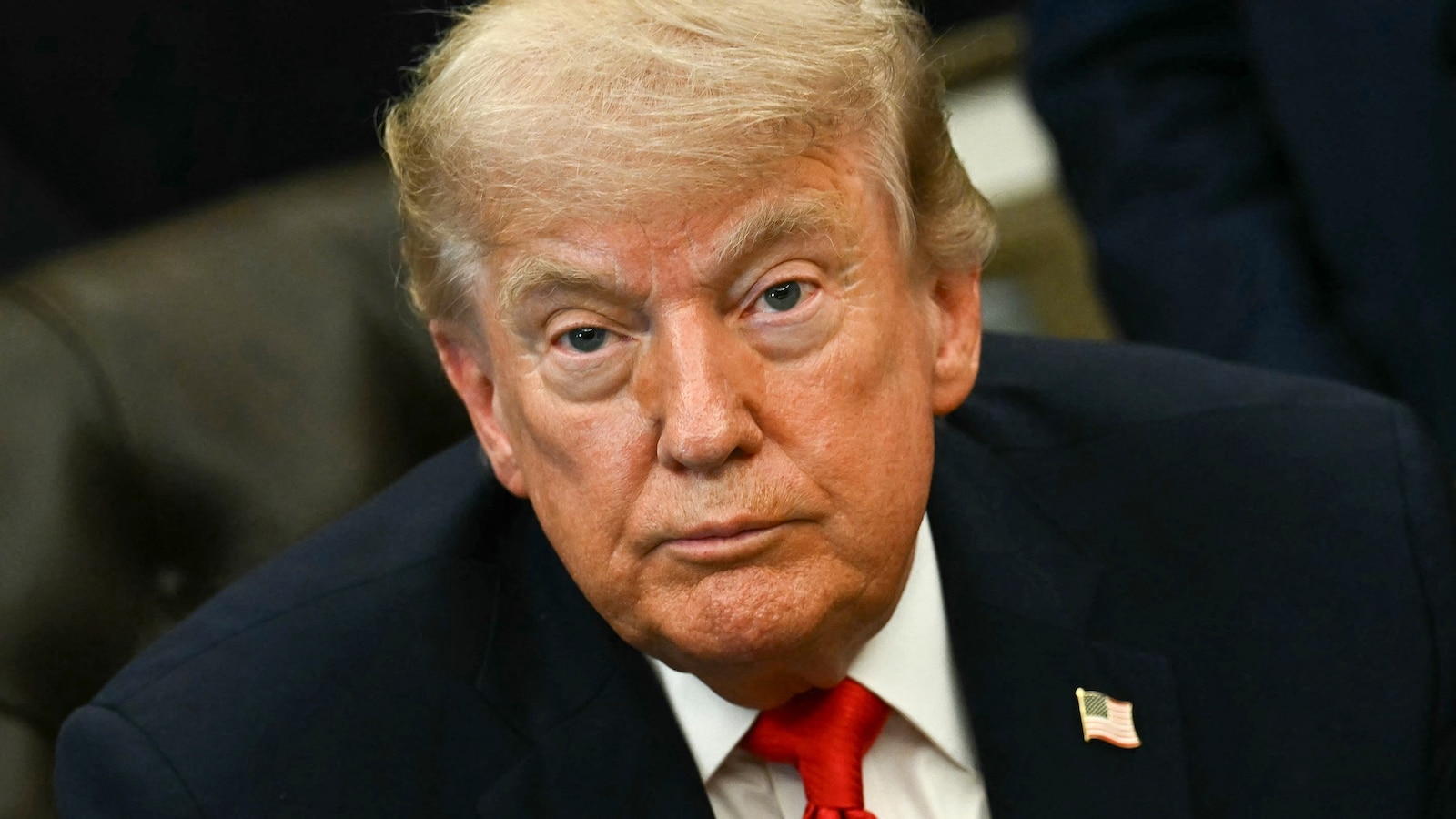
All of our positions and important issues are included in the draft understanding. Pakistan Prime Minister Shehbaz Sharif acted as a key messenger for the peace deal, stating that both the U.S. and Iran have declared an
immediate and permanent termination of military operations on all fronts, including in Lebanon.
Israeli Strikes and the Lebanon Flashpoint

- A Lebanese army soldier was severely wounded by an Israeli drone on the road between Kfar Remman and Nabatieh.
- A local official in Rihan, within the southern region of Jezzine, was killed by an Israeli strike.
- The IDF reported intercepting a rocket fired by Hezbollah, an Iranian proxy, from southern Lebanon.
Hezbollah’s Resistance and IDF Infiltrations
Maritime Casualties and Regional Risk
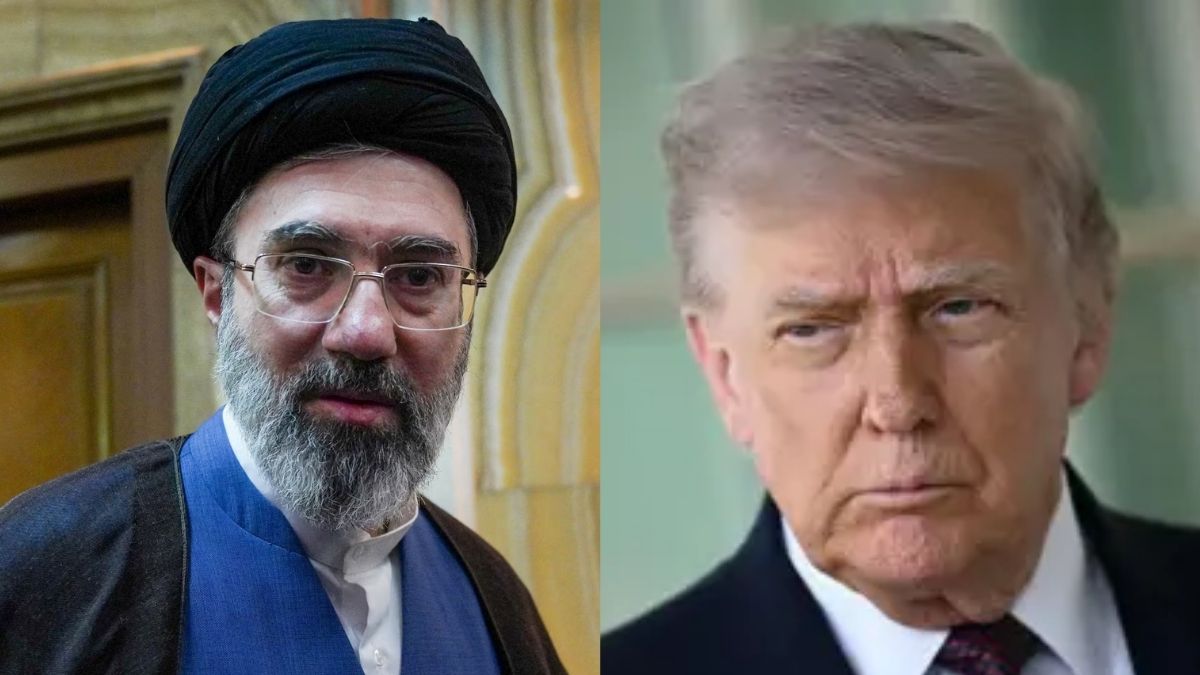
The ‘Cap’ Strategy: From Trade to Diplomacy
The Trump administration’s approach to the Iran deal mirrors a broader pattern of using hard limits and “caps” to secure concessions, a tactic also appearing in North American trade. During the G7 summit on June 16, 2026, AP News reported a recorded conversation between President Trump and Mark Carney regarding Chinese electric vehicle (EV) imports into Canada. Canada agreed to a specific limit on Chinese EV exports to avoid higher tariffs, a move that differs from the U.S. position. The agreement includes:| Metric | Agreement Detail |
|---|---|
| Initial Annual Cap | 49,000 vehicles |
| 5-Year Growth Target | 70,000 vehicles |
| Tariff Rate | 6.1% |
a cap, we capped, a hard line,Trump responded,
That’s good, I like it.This preference for “hard lines” and sudden, decisive removals of pressure—such as the blockade of Hormuz—defines the current administration’s leverage-based diplomacy. The coming days will determine if this “hard line” approach can actually hold. With the formal signing in Switzerland set for Friday, the world is watching whether the IDF and Hezbollah can translate a diplomatic draft into a functional ceasefire before further strikes in Nabatieh or the Baalbek area collapse the agreement.
Find more reporting in our World section.