
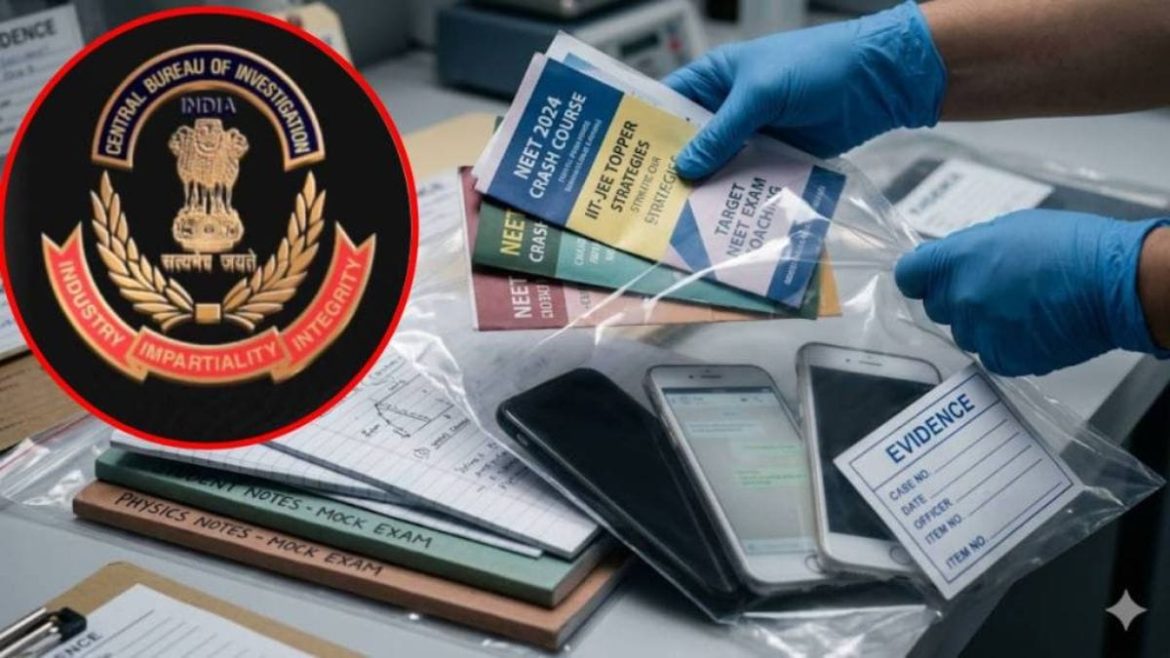
The NEET UG 2026 exam, scheduled for May 5, was canceled after a massive question paper leak exposed systemic failures in India’s medical entrance testing system, affecting over 2.27 million aspirants and sparking a nationwide investigation.
How the Leak Unfolded: A Timeline of Collapse
The scandal began weeks before the exam, when coaching centers—particularly in Sikar, Rajasthan—received a “guess paper” containing nearly 120 Chemistry questions and significant overlaps in Biology that matched the actual NEET UG 2026 paper. According to NDTV, this material was circulating up to a month in advance, with some students reportedly paying up to ₹730,000 for access the night before the exam. The leak was so pervasive that Rajasthan’s Special Operations Group (SOG) launched raids, arresting 15 individuals, including alleged mastermind Manish Yadav and Rakesh Mandwaria, who had ties to a consultancy center in Sikar. The leak’s scale became undeniable when students across three states—Rajasthan, Maharashtra, and Jharkhand—reported identical question patterns. One Nashik student, Shubham Khairnar, was arrested after allegedly buying the paper for ₹10 lakh and reselling it for ₹15 lakh, underscoring the commercialization of the cheating network.By May 5, the National Testing Agency (NTA) had no choice but to cancel the exam, announcing that fresh dates for a re-examination would be announced separately. The cancellation left 2.27 million students—nearly the entire NEET UG 2026 cohort—in limbo, their futures hanging on a test that had already been compromised.
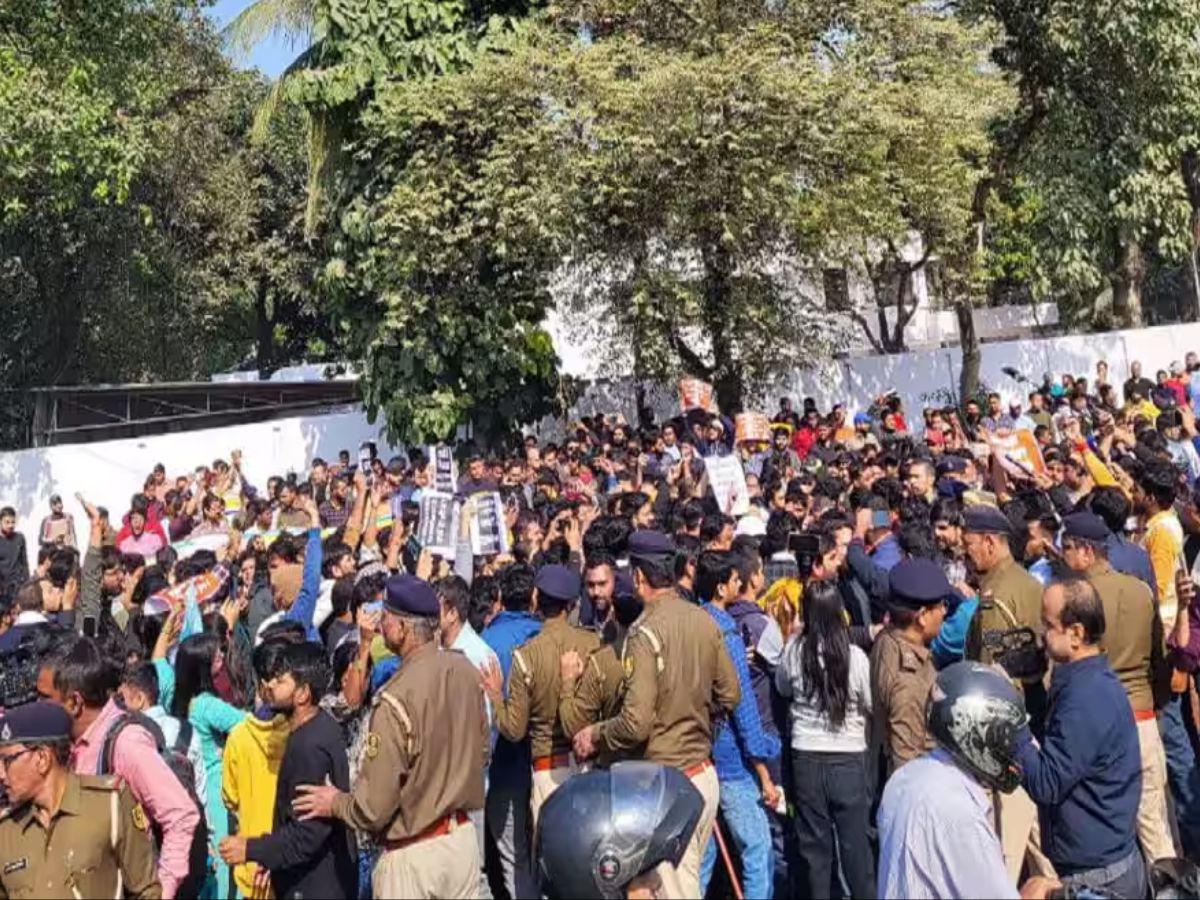 "Paper Leak Forces Exam Cancellation Manish Yadav")
The Star Witness: A Student’s Shocking Confession
At the heart of the investigation is the testimony of a 16-year-old student from Latur, whose chilling confession to the Central Bureau of Investigation (CBI) has sent shockwaves through the medical entrance ecosystem. According to LokSatta, the boy—son of a coaching institute director—revealed that his father provided him with the Physics, Chemistry, and Biology question papers at least 10 days before the exam. “We are being forced to think again. It is not necessary that we will score the same marks next time as well,” said Sudhanshu, a first-time NEET taker from Jharkhand, echoing the collective despair among students. His words capture the existential dread now gripping the medical aspirant community, where trust in the fairness of the exam system has been shattered. The CBI’s decision to make this student a “star witness” signals the gravity of the case. The agency is also preparing to question a pediatrician from Latur, accused of purchasing leaked papers for his own child, further implicating the web of corruption that extends from coaching centers to medical professionals.The student’s confession is not an isolated incident. It reflects a broader pattern: coaching institutes, desperate to secure top ranks for their students, have long operated in a gray zone, blurring the line between preparation and malpractice. The NEET UG 2026 leak, however, represents a quantum leap in brazenness—an entire question paper, not just hints or model answers, was pre-distributed.

Who Benefits? The Anatomy of a Cheating Industry
The NEET UG scandal is not just about a few rogue individuals. It is a symptom of a deeply entrenched cheating industry that thrives on the high stakes of medical admissions. Coaching centers, often backed by powerful networks, have for years sold “insider tips,” “guess papers,” and even direct access to question banks. The leak this year, however, was not just a local operation—it involved a coordinated effort spanning multiple states, with papers allegedly reaching centers in Rajasthan, Maharashtra, and beyond. The financial incentive is staggering. Students who could afford it reportedly paid between ₹1 lakh and ₹730,000 for leaked material, turning the exam into a marketplace for academic dishonesty. Meanwhile, the coaching industry itself stands to gain from the chaos: canceled exams mean extended courses, retests, and renewed demand for their services.For students like Sudhanshu, the fallout is personal. “May Not Score The Same Again,” he told NDTV, referring to the psychological toll of knowing their hard-earned preparation may have been undermined by fraud. The cancellation has also created a logistical nightmare: how to reschedule an exam for over 2 million students without repeating the same vulnerabilities?
What Comes Next: The Road Ahead for NEET
The NTA’s response to the leak has been swift but uncertain. The agency has promised a re-examination, though the specifics—dates, security measures, and whether the same question paper will be reused—remain unclear. The CBI’s investigation is ongoing, with raids and arrests continuing, but the broader question remains: can the NEET system be salvaged, or is it in need of a fundamental overhaul? The stakes are high. NEET is not just an exam; it is the gateway to medical education in India, determining the future of thousands of students every year. The leak has exposed deep flaws in the system’s integrity, raising questions about the role of coaching centers, the oversight of exam security, and the psychological impact on students.For now, the focus is on damage control. The NTA must restore confidence in the exam’s fairness, while the CBI must hold accountable those responsible for the leak. But the deeper challenge is systemic: how to prevent such large-scale cheating in the future? The answer may lie in stricter oversight, technological safeguards, and a cultural shift away from the obsession with coaching centers that has long dominated medical entrance preparation in India.
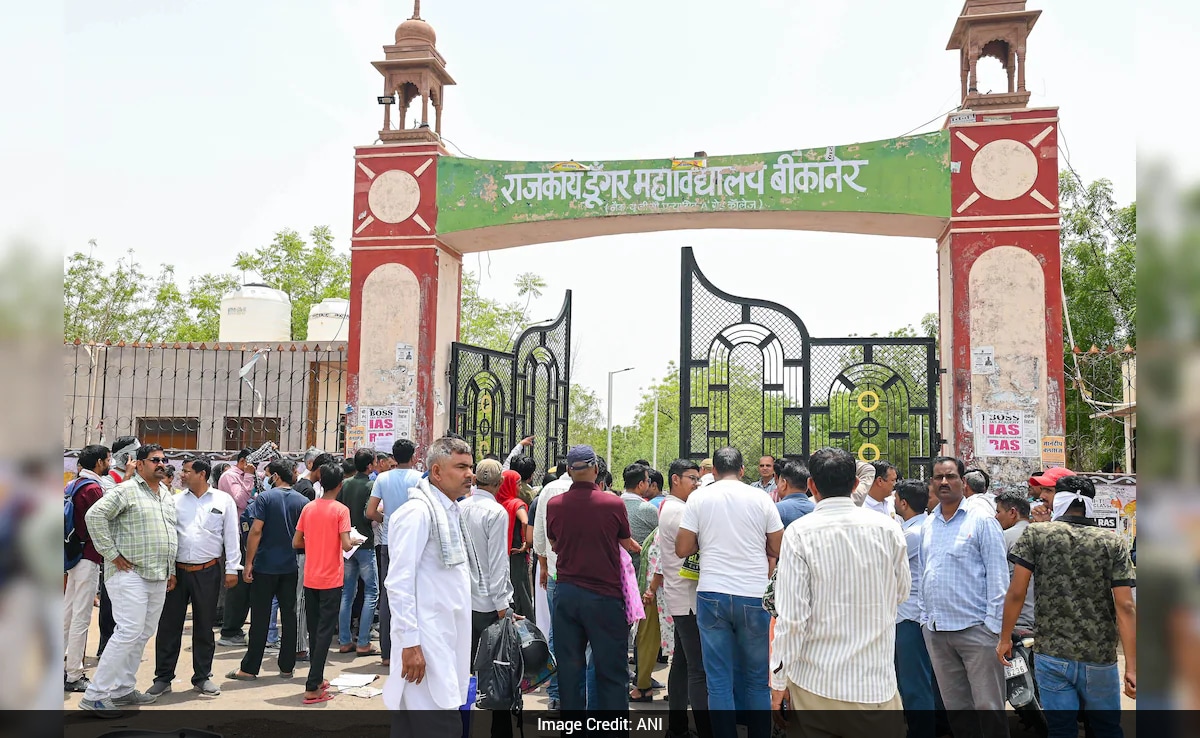
One thing is certain: the NEET UG 2026 scandal will not be forgotten. It has forced a reckoning with the ethics of medical education in India—and the question of whether the system can ever truly be fair again.