Hezbollah’s Rejection of Diplomatic Terms
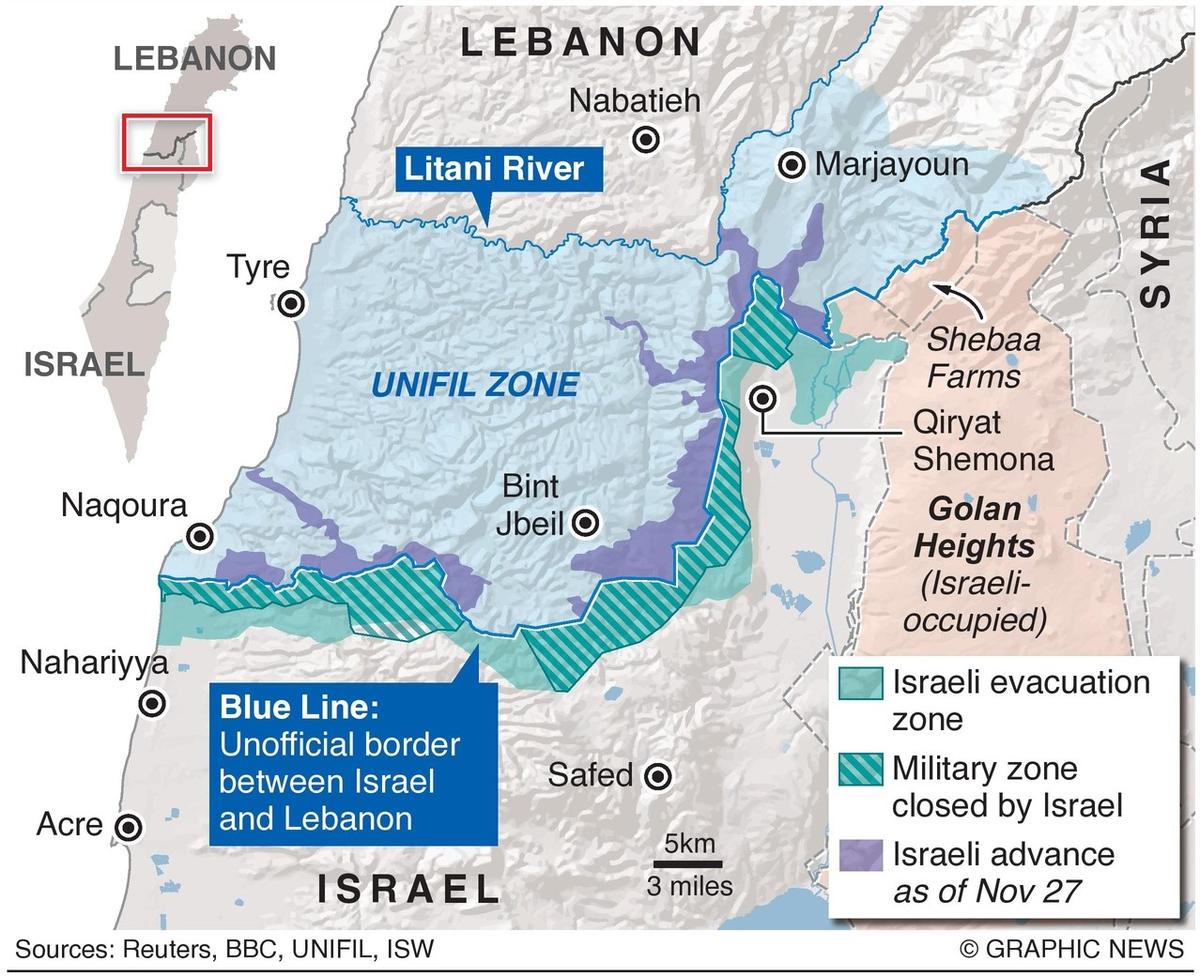
The rejection by Hezbollah comes after the Lebanese and Israeli governments reached an agreement on Monday night to end hostilities. According to The Guardian, the deal required a complete cessation of fire from Hezbollah and the evacuation of all its fighters from areas south of the Litani River.
Hezbollah leader Naim Qassem dismissed the plan in a statement issued Thursday, describing the agreement as a roadmap to annihilate part of the Lebanese people
. Qassem insisted that the resistance would persist as long as the occupation exists and called for the end of what he termed this farce and humiliation called direct negotiations
.
The group’s refusal creates a significant gap between the official Lebanese state position and the militia that wields substantial power on the ground. While the Lebanese government announced the ceasefire would take effect within 24 hours, the actual fighting has been conducted between Israel and Hezbollah, leaving the Lebanese army as a non-party to the conflict.
wp:quote
As long as the occupation exists, the resistance will continue. We call upon the officials to put an end to this farce and humiliation called direct negotiations.
Naim Qassem, Hezbollah Leader
Lebanese Government Under Pressure

Lebanese Prime Minister Nawaf Salam has pushed for the negotiation track, describing it as the fastest and least costly road
for the residents of the south and the Lebanese people. Salam stated that those who reject or delay the ceasefire will be held responsible for the resulting consequences.
The current diplomatic friction highlights the Lebanese government’s ongoing struggle to reassert control over its territory and disarm Hezbollah. The government has been negotiating with Israel without the group’s involvement in an attempt to establish state sovereignty.
This tension follows a previous arrangement established during an April 17 ceasefire. Under those terms, Washington constrained Israel from striking Beirut in exchange for Hezbollah halting fire toward northern Israel. The latest rejection by Qassem calls the viability of such arrangements into question.
Iranian Demands and the Axis of Resistance
The stance taken by Hezbollah aligns with demands from Tehran. Hours after the ceasefire was announced, Iranian officials stated that Israel must withdraw to its prewar positions.
Esmail Qaani, the head of the Quds Force within Iran’s Islamic Revolutionary Guard Corps, posted on a domestic social media platform that supporting the Lebanese resistance is a collective duty. Qaani characterized the removal of Israel from the region as an attainable goal for Muslims
.
wp:quote
The minimum demand of the resistance is the withdrawal of the usurping regime to the position it held before the start of the 40-day war.
Esmail Qaani, Head of the Quds Force
Tehran has indicated that any ceasefire between the US and Israel must include a cessation of fighting in Lebanon. Hezbollah remains a key component of this Iran-led Axis of Resistance, which opposes the influence of the United States, Saudi Arabia, and Israel in the Middle East, according to Encyclopedia Britannica.
Hezbollah’s Military and Political Standing
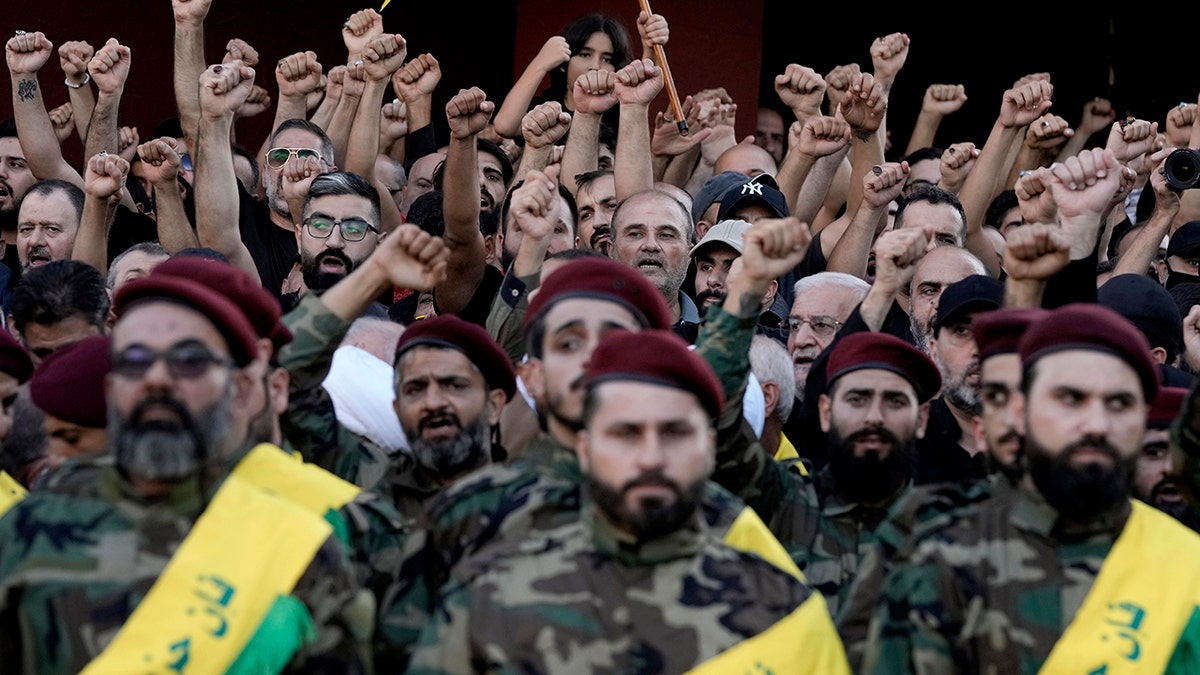
Hezbollah operates as a Shia Muslim militia, political party, and social movement. According to the BBC, it is Lebanon’s most powerful group and has built an armed force more formidable than the Lebanese army with Iranian support. The group is designated as a terrorist organization by the US, the UK, and Israel.
The group’s internal structure is divided between a political wing and a paramilitary wing. Wikipedia reports that its paramilitary arm is the Jihad Council, while its political presence is represented by the Loyalty to the Resistance Bloc in the Lebanese Parliament, where it holds 15 seats.
Despite its political influence, the group has faced severe legal setbacks recently. The Lebanese government banned Hezbollah in March 2026 amid the ongoing war with Israel. This ban follows a period of declining public trust; a 2024 Arab Barometer survey cited by Wikipedia found that 55% of Lebanese have no trust at all
in the organization, though it maintains popularity among the Shia population.
Historical Context of the Israel-Hezbollah Conflict
Hezbollah emerged in 1982 during the Lebanese civil war as a response to the Israeli invasion of Lebanon. Founded by Lebanese clerics and inspired by the 1979 Iranian Revolution and Ayatollah Ruhollah Khomeini’s model of Islamic governance, the group was initially supported by 1,500 Islamic Revolutionary Guard Corps instructors.
The group’s early objectives, outlined in a 1985 manifesto, included the destruction of Israel and the expulsion of Western influence from the region. While a 2009 update to the manifesto dropped calls for an Islamic republic in favor of a democracy representing national unity, its foreign policy remains focused on opposing the strategies of the US and Israel.
The conflict has seen several major escalations:
– In 2000, Hezbollah’s fight against Israeli forces and the South Lebanon Army led to Israel’s withdrawal from southern Lebanon.
– The 2006 Lebanon War lasted 34 days, during which Hezbollah fought Israeli forces to a standstill, a result that Encyclopedia Britannica notes boosted the group’s popularity.
– In 2023 and 2024, confrontations intensified over border disputes, with Hezbollah increasing attacks following the October 7 Hamas attacks on southern Israel.
The conflict reached a critical turning point in September 2024 when Israel intensified air strikes in Lebanon and killed Hezbollah leader Hassan Nasrallah. This was followed by an invasion of southern Lebanon by Israeli ground forces in October 2024. The current deadlock over the June 2026 ceasefire is the latest chapter in this long-standing confrontation.