

England manager Thomas Tuchel faces critical tactical decisions ahead of the 2026 World Cup, specifically regarding Jude Bellingham’s positioning and Bukayo Saka’s starting status. Reports indicate the coaching staff is weighing whether to deploy Bellingham in a number 10 role to maximize his offensive impact.
The transition to the Tuchel era follows a significant period of continuity under Gareth Southgate, a tenure defined by tournament stability and a focus on defensive organization. As the coaching staff moves into the next cycle, the focus shifts toward tactical flexibility. Tuchel, known for his work at clubs such as Chelsea and Bayern Munich, brings a reputation for intricate tactical adjustments that may differ from the established patterns of previous international campaigns. This period of recalibration is essential as the squad prepares for the high-stakes environment of the 2026 World Cup.
The tactical shift for Jude Bellingham
The debate over Jude Bellingham’s role focuses on whether he should operate as a central attacking midfielder or a deeper playmaker. Moving Bellingham to a number 10 position would allow him to occupy more advanced spaces, a role he has frequently utilized during his tenure at Real Madrid. Analysts suggest this shift would aim to increase England’s goal-scoring threat in the final third by placing him closer to the opposition’s defensive line.
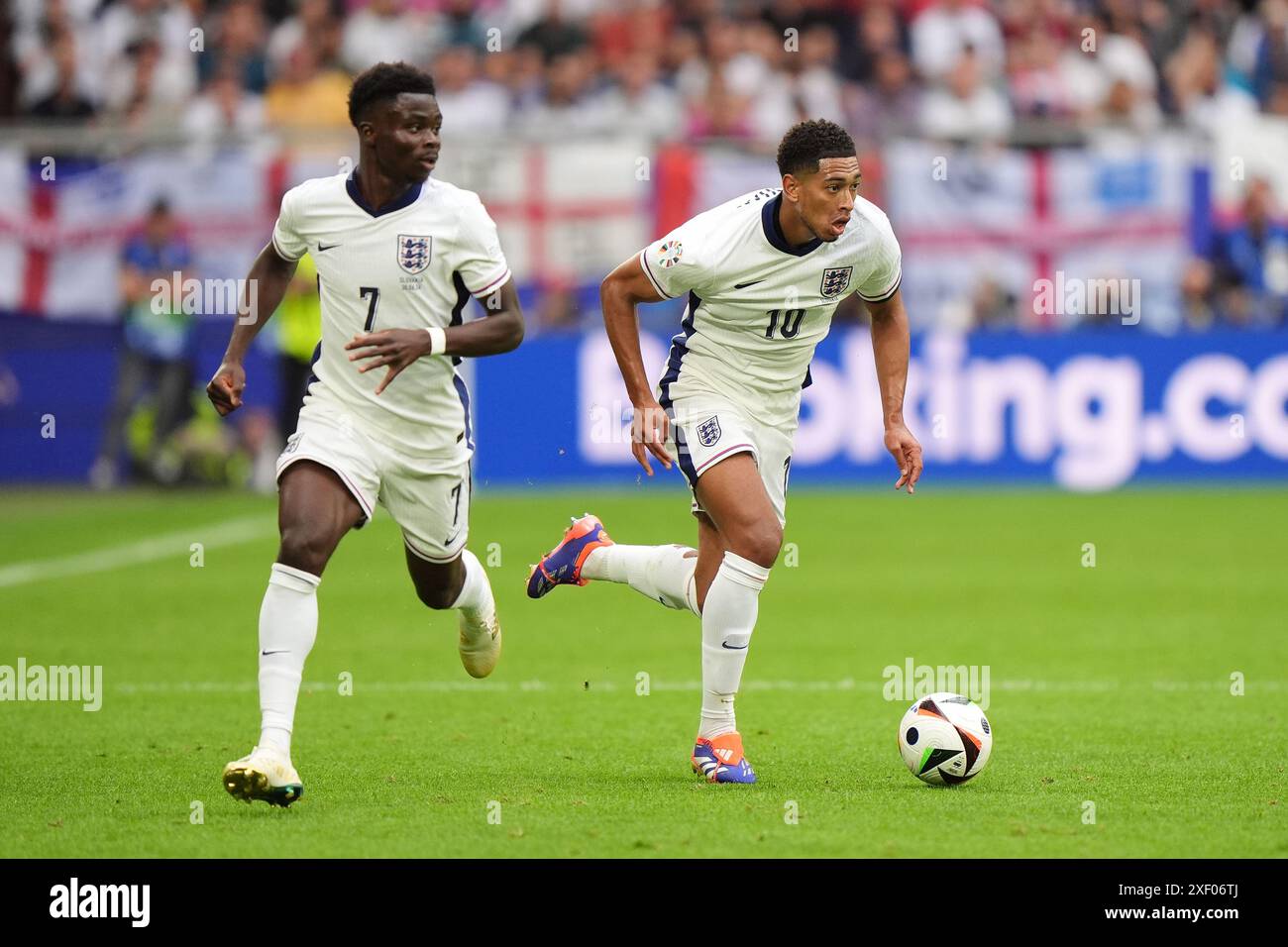
This discussion is heavily informed by Bellingham’s tactical evolution at the club level. During his time at Borussia Dortmund, Bellingham was primarily utilized as a high-energy, box-to-box midfielder, tasked with driving the team through transitions and providing physical presence in the center of the pitch. However, his move to Real Madrid has seen him occupy much more advanced positions, frequently functioning as a shadow striker or a traditional number 10. This change in his playing profile has made him a central figure in England’s long-term tactical planning, as the coaching staff seeks to balance his individual strengths with the collective requirements of the national team.
This tactical change would contrast with the more conservative midfield structures used in previous international cycles. While a deeper role provides more control in the transition from defense to attack, a number 10 role prioritizes directness and creativity in the attacking phase.
Bukayo Saka and the attacking width
The selection of Bukayo Saka remains a key variable in Tuchel’s opening lineup. While Saka is a primary attacking option, his inclusion depends on the final team formation. Analysts suggest that if Bellingham moves into a central attacking role, the width provided by players like Saka becomes essential to stretch opposing defenses.
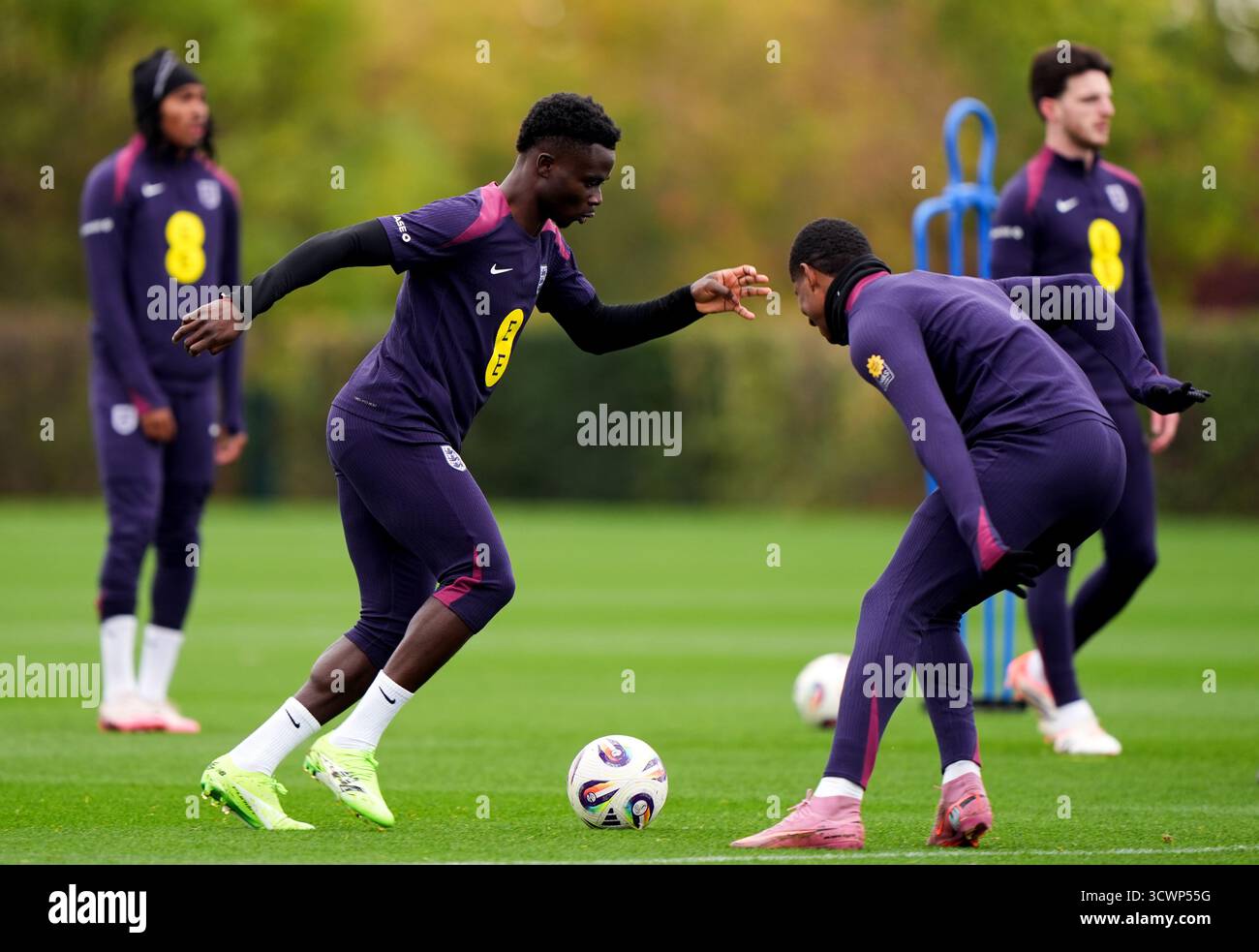
In modern football, the utilization of width is a primary tool for breaking down organized, compact defenses. When a team employs a central playmaker, the wingers must provide the horizontal stretch necessary to move opposition defenders out of the central lanes and create space in the “half-spaces.” The tactical interplay between central creators and wide attackers is a cornerstone of modern offensive systems. For England, the challenge lies in ensuring that the presence of a central playmaker does not inadvertently congest the space that players like Saka rely on to exploit one-on-one opportunities.
If the team adopts a formation that utilizes a central playmaker, the wingers must maintain significant distance from the center to create passing lanes. Saka’s ability to operate in isolated one-on-one situations makes him a central figure in any tactical setup that seeks to maximize offensive output.
Structural implications for the England midfield
Implementing these changes requires a reconfiguration of the midfield to maintain balance. A Bellingham-led attacking midfield would likely necessitate more defensive-minded players in the holding roles to provide sufficient cover. This adjustment is required to prevent the team from being vulnerable to counter-attacks when the attacking players lose possession in high areas.
The structural requirement for a dedicated “holding” midfielder becomes paramount if the midfield line is pushed forward. In tactical terms, this involves maintaining a “rest defense”—the ability to remain positioned to intercept play and stop counter-attacks even while the team is in possession. Without a disciplined player to manage the space between the midfield and the defensive line, an attacking-heavy setup risks leaving the back four exposed during rapid transitions. The selection of these defensive anchors will be critical to ensuring that England can sustain offensive pressure without compromising their defensive integrity.

The decision represents a choice between defensive stability and offensive fluidity. If Tuchel commits to an advanced Bellingham, the midfield’s ability to protect the backline will depend on the discipline of the remaining central players. The final selection will determine whether England prioritizes controlling the tempo of the game or exploiting high-pressure attacking opportunities. Ultimately, the decision-making process involves a trade-off between the desire for offensive dominance and the need for a stable foundation to navigate the high-intensity transitions characteristic of modern international football.
Find more reporting in our News section.


