
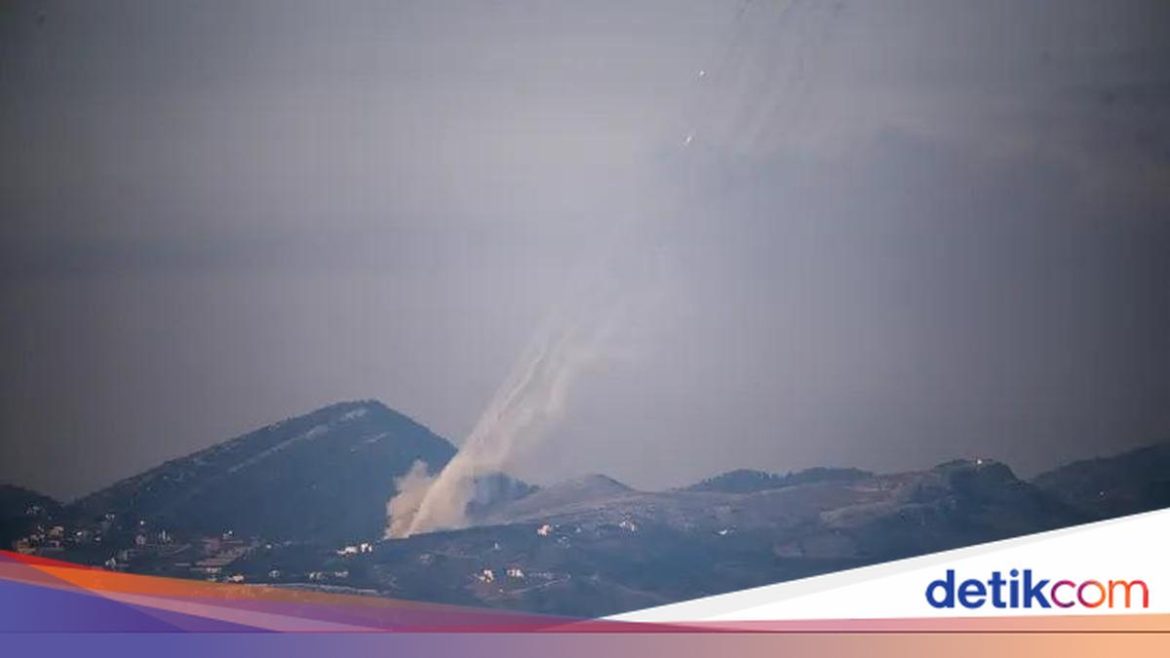
Israeli military strikes in Gaza and Southern Lebanon on June 6 and 7, 2026, left multiple Palestinians and Lebanese citizens dead, including children and soldiers. These attacks occur amidst a fragile ceasefire monitored by a UN-approved Peace Council, as diplomacy in Egypt struggles to resolve the status of Hamas police forces.
The geography of the conflict is expanding, and the cost is measured in both civilian lives and stalled diplomacy. While a ceasefire has technically been in place since October 2025, the reality on the ground is a cycle of "precision" strikes and retaliatory accusations. Reporting on the latest casualties varies across outlets—detikcom reports 10 deaths in Gaza, while SinPo.id cites 11, and BeritaSatu.com notes 9 deaths specifically from Sunday’s incursions.
Casualties in Gaza and the Al-Rimal Incident
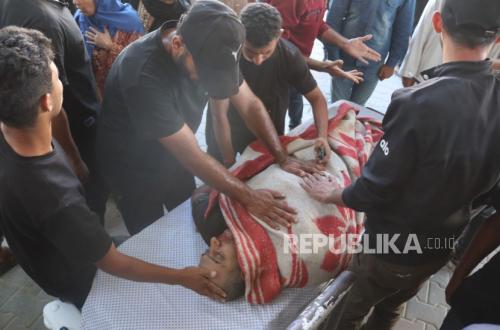
One of the most devastating incidents occurred in the Al-Rimal neighborhood of west Gaza City. A drone attack targeted the Al-Jawazat camp, a site housing displaced residents who have spent years in makeshift shelters. According to Republika**, the strike killed at least eight Palestinians and wounded 15 others, with a significant number of the victims being children.
The human cost in Gaza has reached a staggering scale over the last two and a half years. The Palestinian Ministry of Health in Gaza reports that the total death toll since October 7, 2023, has climbed to 72,961, with 173,092 wounded. Most of these casualties are civilians.
The brutality of the current phase is highlighted by the case of Muhannad Othman Farwana, a 25-year-old man killed by a precision strike on a tent atop his roof. The timing was particularly cruel: the attack occurred just before he was scheduled to be married that same day.
"The whole family was ready to celebrate his wedding. Now, instead, we are attending his funeral.
Israel maintains these are not random acts of violence. The military identified Farwana as a Hamas cell commander. In a separate statement, the Israeli military defended its actions in the sector, stating, "We targeted Hamas in that sector."
Escalation Along the Lebanese Border
The violence is not contained within the Gaza Strip. Lebanon has been dragged deeper into the regional fray due to the activities of the Iranian-backed Hezbollah. On Saturday morning, an Israeli strike in the city of Saksakiyeh, located in the Sidon district, killed at least two people and wounded 22 others, including a woman and three children.
The friction between the Lebanese military and Israeli forces has reached a critical point. Three Lebanese soldiers were killed when an Israeli airstrike hit a military vehicle on the Khardali-Nabatieh road.
"A number of military personnel, including an officer, fell in a barbaric Israeli attack targeting a military vehicle on the Khardali-Nabatieh road."
Lebanese Military, via
Israel’s justification for these strikes often centers on the distinction between the Lebanese state and militant proxies. The Israeli military has asserted it is "operating against the Hezbollah terrorist organization, not against the Lebanese army." However, the death of an officer in a military vehicle complicates this narrative, leaving the Lebanese military to label the incident a "barbaric attack."
Diplomatic Impasse and Security Disputes
On paper, there is a framework for peace. A ceasefire agreement reached last year established a Peace Council led by U.S. President Donald Trump to oversee a gradual cessation of hostilities, a move officially endorsed by the UN Security Council. Yet, the gap between diplomatic ink and ground reality is vast.
The primary obstacle to a permanent resolution is the status of Gaza’s internal security. As BeritaSatu reported**, the presence of approximately 10,000 Hamas police personnel has become a central point of contention. Hamas wants these officers integrated into a new governing police structure for Gaza; Israel flatly refuses any involvement from personnel affiliated with the group.
This deadlock has led to a targeted campaign. In recent months, Israel has ramped up strikes against Hamas police headquarters and personnel. On Sunday, June 7, a strike on a Hamas-run police post near a refugee camp in Khan Younis killed five people and wounded 16.
The strategic map remains skewed. Israeli forces still control more than half of the Gaza Strip, while nearly two million people are crammed into narrow coastal strips, living in damaged buildings or emergency tents.
The current violence proves that the ceasefire implemented in October 2025 was a pause, not a peace. The statistics since that agreement took effect illustrate a continuing war by other means.
The discrepancy in death tolls—951 Palestinians compared to between 4 and 5 Israeli personnel—underscores the asymmetric nature of the current conflict. Israel and Hamas continue to trade accusations of ceasefire violations daily, turning the "peace" process into a series of tactical maneuvers.
With Egypt currently hosting renewed negotiations involving Hamas and other Palestinian factions, the next few days are critical. However, until the "Hamas police" issue is resolved and a concrete plan for the withdrawal of Israeli troops and the reconstruction of Gaza is agreed upon, the cycle of precision strikes on tents and military vehicles is likely to continue.


