
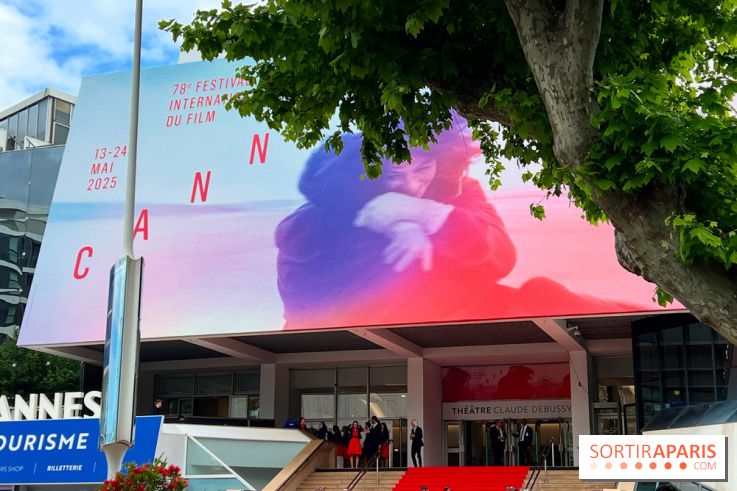
The 2026 Cannes Film Festival is currently underway in Cannes, France, featuring a notable presence of Arab and Middle Eastern cinema. Recent screenings have shifted toward grim sociological themes, including the destructive nature of capitalism and the prevalence of physical and psychological epidemics, contrasting with the event’s traditional red-carpet glamour.
Sociological Critique and the Cost of Capitalism
The current programming at the 2026 Cannes Film Festival reveals a stark preoccupation with systemic collapse and human suffering. Recent reports indicate that the films being screened are tackling aggressive themes of socioeconomic decay. Specifically, the narratives are exploring a version of capitalism devouring everything
, suggesting a cinematic trend that views global economic structures as predatory.
This thematic lean extends beyond economics into the realm of public health and social stability. The screenings are highlighting countless
epidemics, categorized as both physical and psychological, which the films present as integrated components of daily existence. This focus suggests a shift in the festival’s curation toward a more cynical or realistic appraisal of the modern human condition.
The critique also targets social hierarchies. The festival’s current offerings examine a patriarchal system
that is described as reproducing itself tirelessly. By pairing these themes with the enduring memory of wars and history, the 2026 selection appears to be positioning cinema as a tool for recording the persistent failures of institutional power.
Arab Presence and the Rise of Independent Cinema
The 2026 edition of the festival is marked by a significant and visible presence of creators from the Arab world and the Middle East. This participation is not merely numerical but reflects a shift in the types of stories reaching the global stage in France.
Observers of the festival note that the selection process this year indicates a growing preference for films of a human nature and local stories
. This trend is part of a broader institutional move to provide more support and visibility to independent productions. By prioritizing local narratives over big-budget studio fare, the festival is leaning into the strengths of independent cinema to capture authentic human experiences.
This move toward independent, human-centric storytelling aligns with the grim sociological themes mentioned in recent screenings. The focus on local stories allows for a more granular look at how the aforementioned systemic issues—such as patriarchal structures and economic instability—manifest in specific regional contexts.
The Tension Between Luxury and Content
A defining characteristic of the 2026 festival is the jarring contrast between the environment of the event and the content of the films. The opening of the festival was defined by a high dose of luxury and glamour
, with the red carpet serving as a competitive arena for fashion and celebrity visibility.
Reports from the event describe the atmosphere as one of elegance and cinema
meeting on the red carpet, where the focus remains on luxury and the high-profile status of the attendees. This tradition of opulence continues to define the public face of the festival, creating a dichotomy where the world’s most glamorous event is used to showcase films about the devastation of capitalism and the spread of epidemics.
This tension highlights the dual role of Cannes: it remains a primary marketing engine for the celebrity industrial complex while simultaneously serving as a critical venue for independent filmmakers to challenge the very systems that fund the festival’s luxury. As the event continues, the disconnect between the red-carpet brilliance and the bleakness of the screened narratives remains a central point of analysis for those tracking the festival’s cultural impact.


