

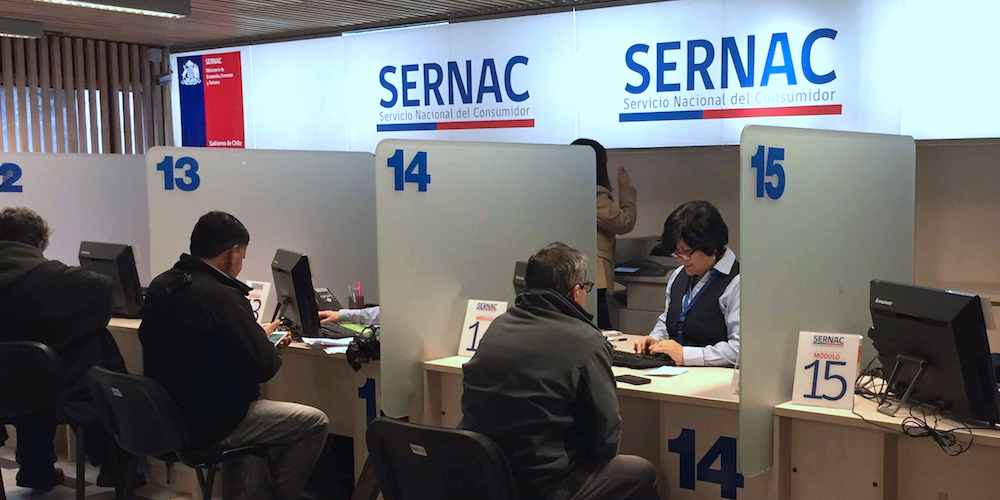
Chile’s National Consumer Service (SERNAC) will begin penalizing electronic manufacturers and importers that fail to include USB-C charging ports on new mobile devices, according to recent regulatory updates. The mandate aims to standardize charging technology across all consumer electronics to reduce electronic waste and decrease costs for Chilean consumers.
Which electronic devices are subject to the new mandate?
The regulation targets a broad range of portable consumer electronics. According to SERNAC’s implementation guidelines, the mandate applies to smartphones, tablets, and most handheld computing devices sold within the Chilean market. The policy requires that all new models entering the market after the enforcement deadline feature a universal USB Type-C port, effectively phasing out proprietary standards like Lightning or micro-USB.
This transition involves moving away from older, non-reversible connectors like micro-USB and highly specific proprietary interfaces, such as Apple’s Lightning connector. Technically, the shift to USB-C (USB Type-C) provides significant advantages in both power delivery and data transfer. The USB-C standard supports the USB Power Delivery (USB-PD) protocol, which allows for much higher wattage than previous standards, enabling faster charging for a wider variety of high-drain devices, from low-power earbuds to high-performance laptops.
How will SERNAC enforce these regulations?
The agency’s enforcement strategy involves monitoring both incoming imports and existing retail inventories. While the specific financial penalties for non-compliance vary based on the scale of the distributor, SERNAC officials stated that brands failing to meet the standard will face fines. The oversight mechanism targets both the original manufacturers and the local entities responsible for bringing these products into the country.
SERNAC derives its enforcement authority from the Ley de Protección de los Derechos de los Consumidores (Consumer Protection Law), which empowers the agency to oversee market fairness and product safety. In practice, enforcement involves auditing the “Importer of Record”—the legal entity responsible for introducing goods into Chilean territory—to ensure that hardware specifications align with updated national standards. Failure to comply can result in administrative sanctions, ranging from formal warnings to significant monetary penalties intended to deter the distribution of non-compliant technology.
Why is Chile moving toward charging standardization?
The decision addresses two primary concerns: environmental waste and consumer costs. By enforcing a single standard, Chilean regulators aim to reduce the volume of discarded cables and chargers that contribute to the nation’s electronic waste. From a business and consumer perspective, the move eliminates the need for brand-specific accessories, which often increase the total cost of ownership for electronic hardware.
This environmental focus is part of a broader regulatory movement in Chile regarding the management of “residuos de aparatos eléctricos y electrónicos” (RAEE), or waste from electrical and electronic equipment. The mandate aligns with the principles of Ley 20.920, known as the Ley de Responsabilidad Extendida del Productor (Extended Producer Responsibility or REP). Under the REP framework, producers and importers are increasingly held responsible for the entire lifecycle of their products, including the environmental impact of the accessories and hardware they introduce to the market. By standardizing ports, the government seeks to simplify the recycling process and reduce the accumulation of redundant, single-use charging hardware in landfills.
How does this align with international technology trends?
Chile’s regulatory shift follows the precedent set by the European Union, which mandated USB-C as the standard for small and medium-sized electronic devices. By adopting similar requirements, Chile aligns its domestic market with global hardware trends. This alignment helps reduce market fragmentation for multinational corporations, as they can maintain more uniform product lines for both European and South American markets.
The European Union’s mandate, codified in Directive (EU) 2022/2380, serves as the primary global benchmark for this transition. The EU directive requires that by late 2024, most portable electronic devices—including smartphones, tablets, digital cameras, and handheld gaming consoles—must utilize a common charging interface. As major global manufacturers adjust their production lines to meet the stringent requirements of the European market, Chile’s decision to follow suit ensures that Chilean consumers receive the same standardized hardware available in larger economic blocs.
What are the implications for hardware importers?
For companies operating in Chile, the mandate necessitates a review of supply chain logistics and product lifecycles. Importers must ensure that inventory transitions away from legacy ports before the enforcement deadline to avoid regulatory friction. The shift reflects a growing global trend where consumer protection and environmental sustainability are increasingly integrated into national trade and commerce regulations.
For distributors, this requires a strategic approach to SKU (Stock Keeping Unit) management. To avoid the financial risk of holding non-compliant inventory, importers must coordinate closely with global manufacturers to ensure that the product versions designated for the Chilean market are updated in sync with the regulatory deadline. This convergence of global standards is expected to eventually lead to more streamlined supply chains, as manufacturers move toward “single-port” hardware designs that reduce the complexity of global inventory management.
Find more reporting in our Business section.