
Eli Lilly’s experimental obesity drug, retatrutide, is demonstrating a 28% weight loss and potential sleep apnea benefits, according to recent reports. As Boehringer Ingelheim’s survodutide enters the market with a 16.6% weight loss, analysts at Citi are dismissing investor concerns over retatrutide’s side effects as exaggerated.
Clinical Benchmarks: Comparing Retatrutide, Zepbound, and Survodutide

| Medication | Manufacturer | Average Weight Loss | Trial Duration |
|---|---|---|---|
| Retatrutide | Eli Lilly | 28% | 80 weeks |
| Zepbound (tirzepatide) | Eli Lilly | 20.9% | 72 weeks |
| Survodutide | Boehringer Ingelheim | 16.6% | 76 weeks |
| Wegovy (semaglutide) | N/A | 14.9% | 68 weeks |
Citi Dismisses Investor Concerns Over Retatrutide Side Effects
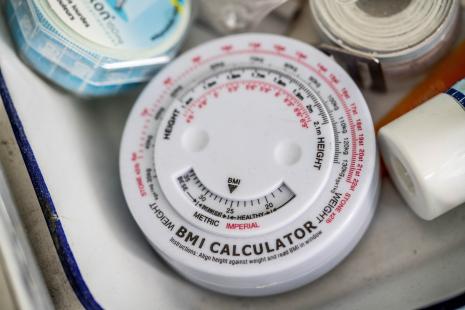
The Risk of Muscle Mass Loss Under GLP-1s
As the industry celebrates massive weight reduction, a critical clinical shadow looms over the entire class of drugs. When patients lose weight rapidly via GLP-1 agonists, a significant portion of that loss may not be fat. Evidence suggests that up to 40% of the weight lost on these treatments can consist of lean muscle mass. This metabolic trade-off carries serious long-term health implications.“Many patients on GLP-1s are faced with a loss of muscle mass, a common side effect that can lead to an increased risk of cardiovascular disease and a decrease in basal metabolism.”
Survodutide’s Focus on Visceral and Liver Fat