An adoptee’s attempt to reconcile with her estranged birth mother, Susan Barras, ended in a somber discovery in September 2023 when a probate notice revealed Barras had died following a car accident in late 2022. This story illustrates the often-fractured reality of adoption reunions and the lasting emotional shadows they cast.
The probate notice that revealed a hidden life
In late September 2023, a long-forgotten Google alert transformed from a tool for reconnection into a harbinger of loss. While searching through a cluttered work email bin, an adoptee discovered a probate notice revealing that her birth mother, Susan Barras, had died nearly a year earlier. According to reporting from The Guardian, Barras—who had changed her name to Suzann Doyle—passed away in late November 2022 after being struck by a car.
The discovery was jarring. The adoptee had been estranged from Barras for nearly 15 years, having cut ties when the relationship became emotionally exhausting. The probate notice did more than confirm a death; it exposed a life that had drifted into significant isolation.
The address listed for the estate was not the large, detached Guildford home the adoptee had once visited during a brief reunion. Instead, the documents pointed to a tiny, one-bedroom retirement flat overlooking the Guildford train station.
A pattern of isolation and medical struggle
The details surrounding Barras’s final years suggest a period of profound personal and physical upheaval. Beyond the name change and the move to a smaller residence, the circumstances of her death and the state of her estate pointed toward a woman increasingly disconnected from her social and familial circles.
Information gathered through a solicitor and family members revealed several key developments in Barras’s life:
Barras had undergone bowel cancer surgery a few months before her death.
She had previously been treated for breast cancer during her period of contact with her daughter.
She experienced an acrimonious split from her husband, who later died of cancer.
She had cut contact with her mother, brother, and sister around the same time her daughter did.
This isolation was reflected in her final wishes. Barras left her entire estate, including all personal possessions, to charity. Because of her apparent estrangement, there was no formal funeral; her ashes were eventually scattered on the Isle of Wight. While the reunion between mother and daughter was intended to provide closure, lifestyle2day.gr noted that the reality was far from the neat, happy endings often depicted in popular media.
The psychological weight of closed adoptions
My Mother Forced Me to Give Up My Kids for Adoption at My Husband's Funeral
The trauma of adoption is not always a singular event; for many, it is a recurring presence that shapes their entire identity. This phenomenon is often exacerbated by the legal structures of “closed” adoptions, which prevent biological connections from being maintained.
As HuffPost reported, the “heavy silence” that accompanies signing away parental rights can leave adoptees with a sense of deep-seated rejection. For those raised in closed systems, the lack of information can feel less like a protective measure and more like an “exit strategy” by the birth parent.
This psychological ache can persist for decades, often manifesting in complex ways during adulthood. One adoptee described how the quiet resentment of a closed adoption contributed to a downward spiral involving severe postpartum depression, substance abuse, and eventually, incarceration.
The complexities of adoption often intersect with other systemic struggles, particularly through agencies like the Gladney Center for Early Childhood. While such organizations facilitate the placement of children, they also sit at the center of the complicated lives that follow.
In some instances, these institutional ties extend into the justice system. One individual, who had been adopted through the Gladney Center, found herself navigating a specialized rehabilitation program at the Santa Maria facility after being sentenced to five years in prison.
The convergence of these life paths highlights the “ghost world” of adoption—a state where the past is never truly settled. For the adoptee, the ghosts include the birth parents, the imagined lives they might have led, and the pre-adoption version of themselves. For the birth parent, the ghost is the child lost to the system.
“Adoption has often been likened to a ghost world, in which the adoptee, the birth parents and the adoptive parents are haunted by spectres of the past.”
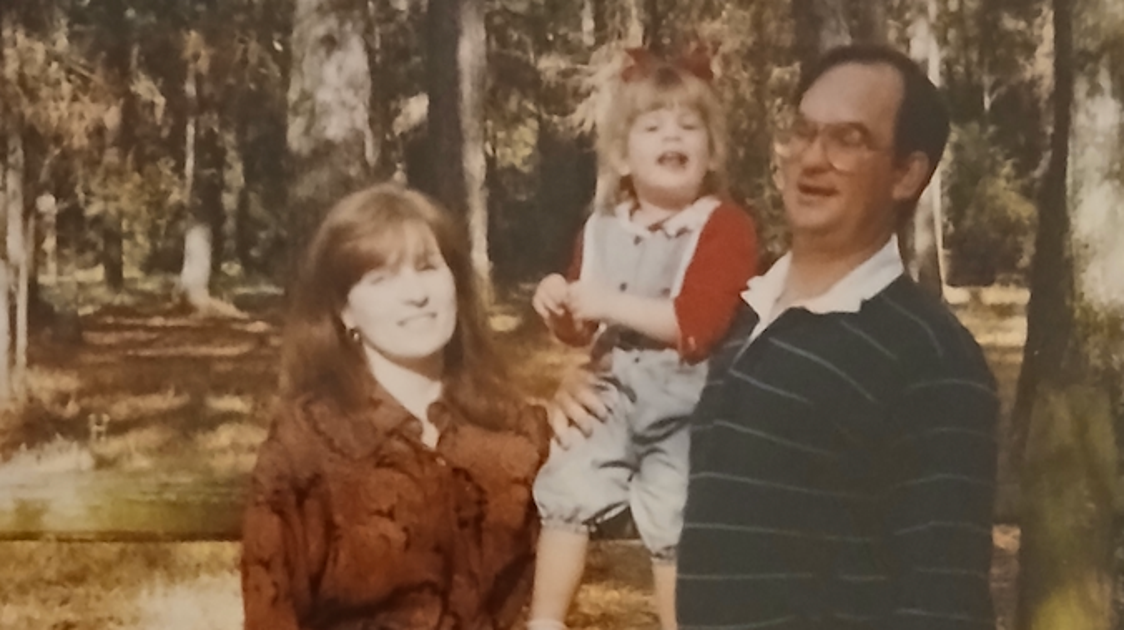
Photo: huffpost.com
The Guardian
Whether through the sudden death of an estranged parent or the systemic hurdles of a closed adoption, the reality remains: the connections severed by adoption often continue to exert a powerful, if sometimes painful, influence on the lives of everyone involved.