

Researchers at Kyoto University have traced the evolutionary history of blood cells back 700 million years, discovering that modern blood and immune cells are repurposed from single-celled ancestors. The study reveals that human blood cell maturation in bone marrow mirrors the ancient evolutionary process that began at the dawn of multicellular life.
The FOS Gene and the 700-Million-Year Timeline
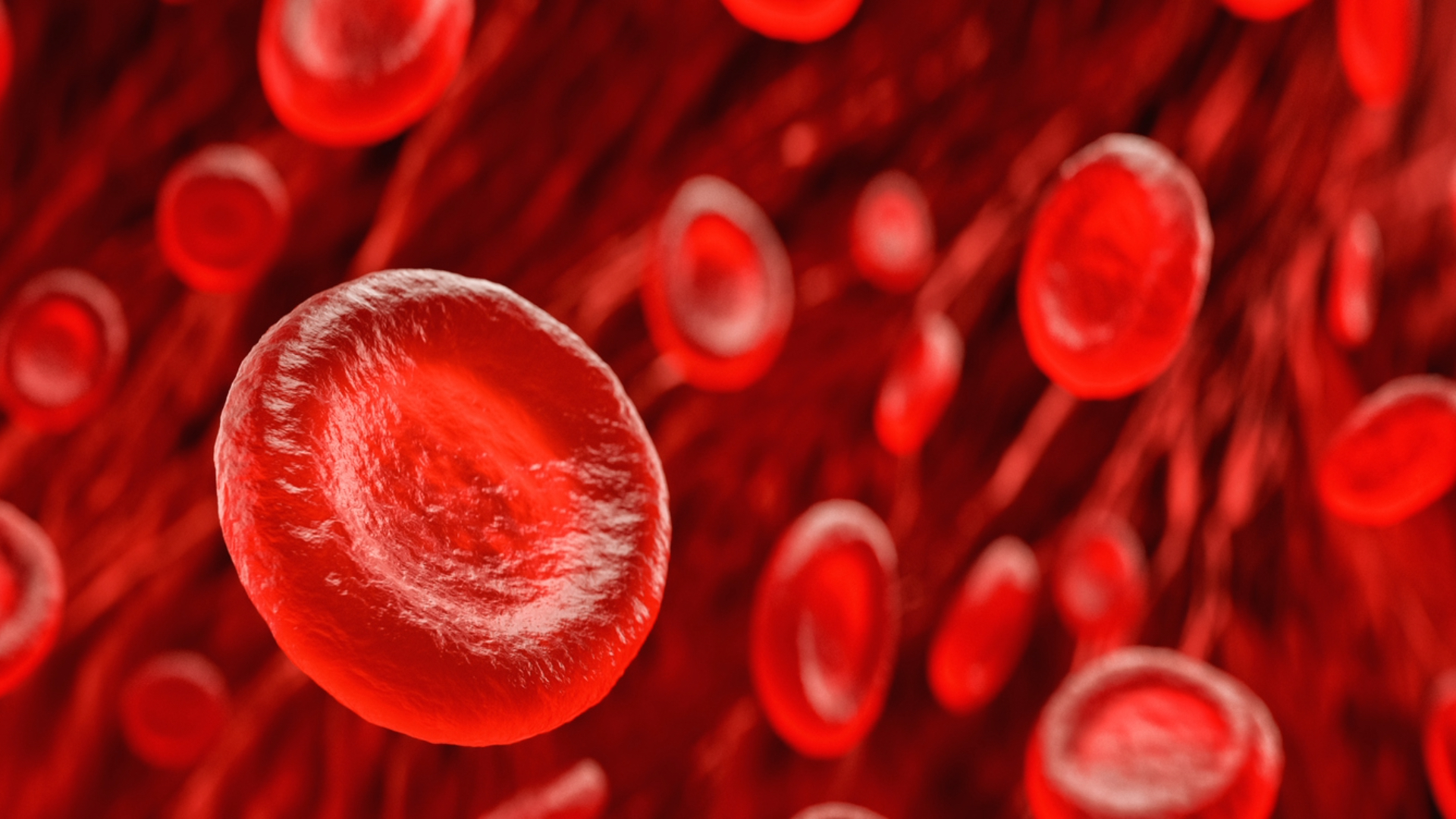
Macrophages as the Primordial Blood Cell
The Branching Sequence of Hematological Evolution
- Mast Cells: The first major branch to diverge from the early macrophage lineage.
- T Cells and Red Blood Cells: These specialized cells, responsible for adaptive immunity and oxygen transport respectively, evolved later from mast cell ancestors.
- B Cells: Prototypic B cells branched directly from the macrophage line after mast cells had already separated.
Using Transcriptomes to Bypass the Fossil Record
- Humans and mice
- Zebrafish and sea urchins
- Sea squirts (tunicates)
- Flies, worms, and sponges
- Various unicellular organisms