
Rosselkhoznadzor will impose temporary restrictions on the import of grapes and stone fruits from Armenia starting June 2, 2026. The Russian agency cited frequent phytosanitary violations and structural failures within Armenia’s government. These measures follow a series of broader trade bans on Armenian fish, vegetables, and mineral water.
The Blockade of Stone Fruits and Grapes
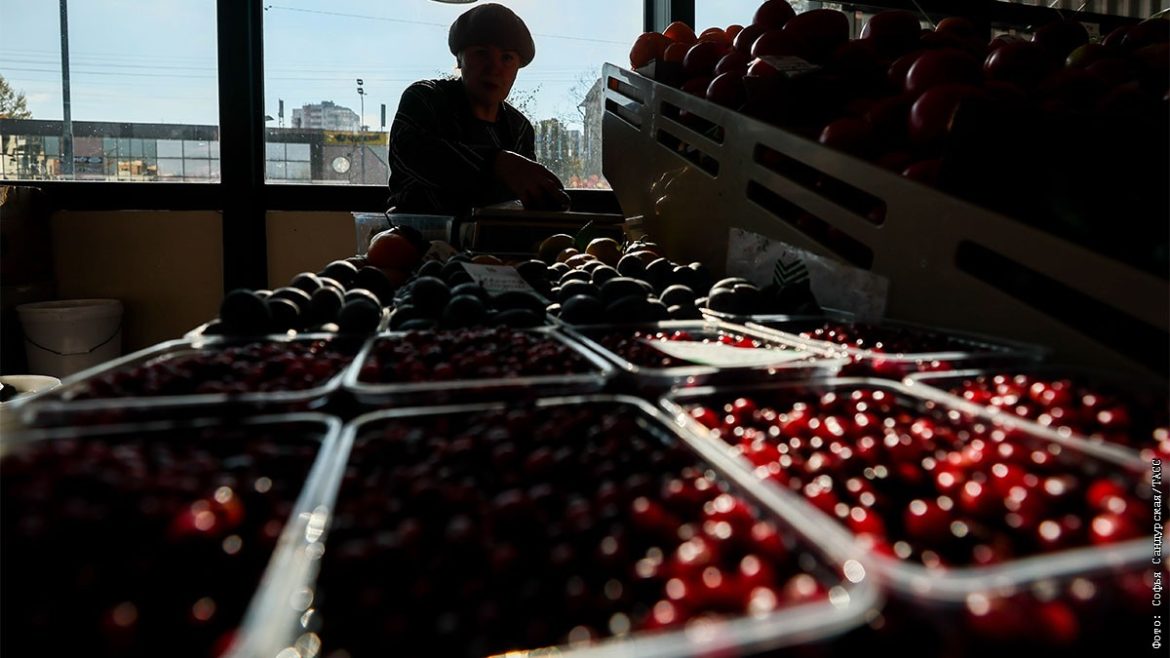
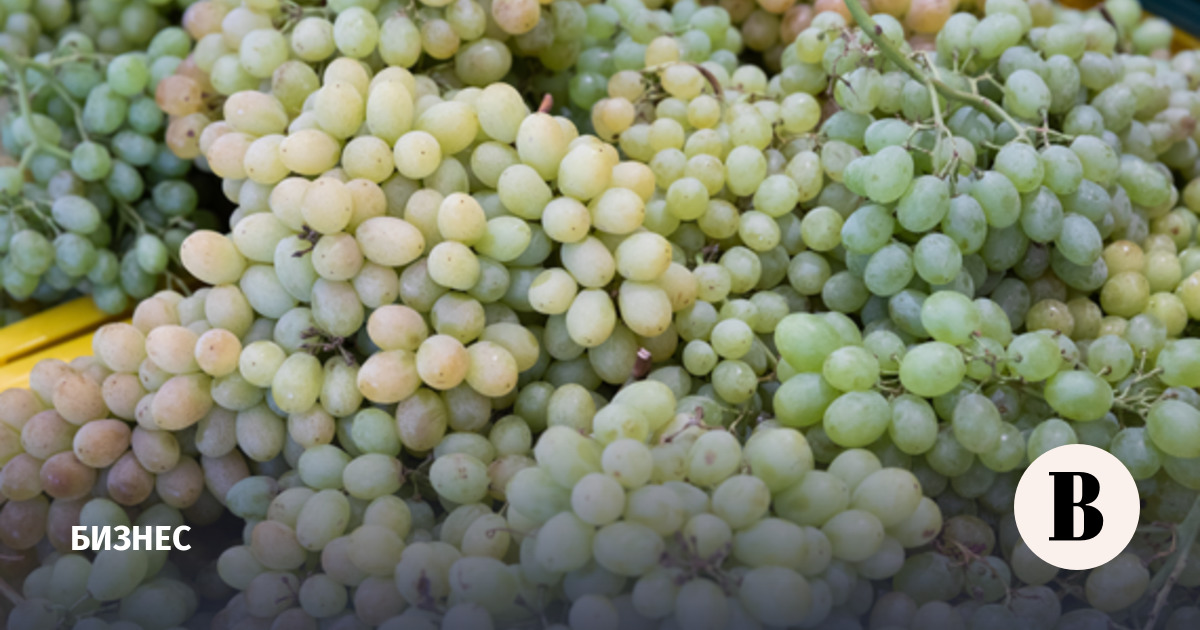
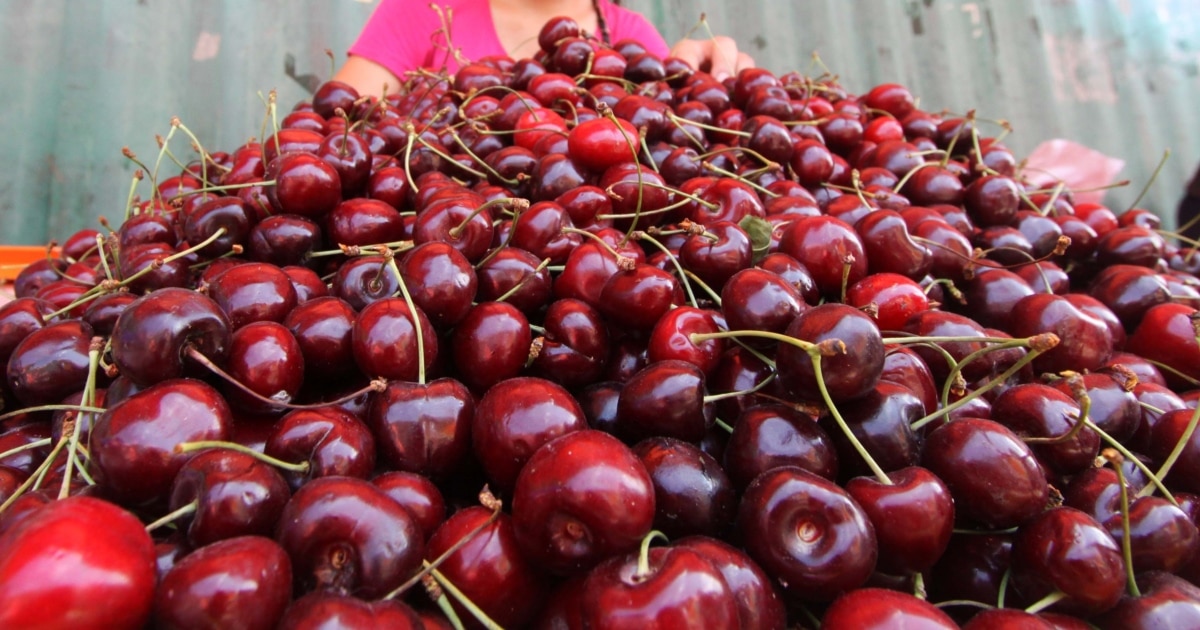
The latest move by Russia’s agricultural watchdog, Rosselkhoznadzor, targets a wide array of Armenian produce. Starting June 2, the ban covers fresh grapes and stone fruits, specifically cherries, sweet cherries, apricots, plums, peaches, and nectarines. According to Interfax, the restrictions apply to all such products “originating and dispatched from the Republic of Armenia.”

This is not merely a bilateral trade dispute. Russia is also restricting the transit of these specific fruits through its territory to other member states of the Eurasian Economic Union (EAEU). The agency stated that these measures will remain in place “until a corresponding algorithm for ensuring the safety of shipped products is developed,” as reported by Radio Liberty.
| Category | Affected Products | Scope |
|---|---|---|
| Stone Fruits | Cherries, sweet cherries, apricots, plums, peaches, nectarines | Import & EAEU Transit |
| Berries/Vine | Fresh grapes | Import & EAEU Transit |
| Vegetables | Tomatoes, cucumbers, peppers, greens, strawberries | Import |
| Other | Flowers, “Jermuk” mineral water | Import/Sales |
Blaming the Ministry of Economy’s Structural Failures
Moscow is framing these bans as a response to a collapse in Armenian regulatory oversight. Rosselkhoznadzor claims it has documented “increased cases of violations in the supply of Armenian fruits,” which it attributes to a specific administrative overhaul in Yerevan. Specifically, Russia points to the liquidation of Armenia’s Ministry of Agriculture and the subsequent transfer of its powers to the Ministry of Economy.
As Vedomosti reports, Russian officials believe the Ministry of Economy is suffering from structural problems and is incapable of managing the phytosanitary responsibilities it inherited. From Moscow’s perspective, this administrative gap has jeopardized the phytosanitary wellbeing of both Russia and the EAEU, while simultaneously threatening Russian state support programs for domestic industrial gardening and viticulture.
The Selective Lockdown of Armenian Fish Exports
The fruit ban is only one prong of a larger offensive. Russia has effectively paralyzed the Armenian fish trade. Following an inspection of fish-processing plants and trout farms conducted between May 21 and May 27, Rosselkhoznadzor determined that the results were unsatisfactory.
The crackdown is particularly severe: according to Meduza, roughly 50% of the inspected enterprises refused to undergo the Russian audit entirely. As a result, Armenia must suspend veterinary certification for almost all live fish and fish products destined for Russia starting June 2.
Only two unnamed factories that passed the inspection are permitted to continue exports, and even then, their shipments are subject to strict conditions.
…
Rosselkhoznadzor, via Radio Liberty
This selective permission creates a bottleneck that effectively controls which Armenian businesses survive the trade freeze, maintaining the ban “until the current situation is resolved.”
Trade War as Political Leverage Before June 7 Elections
While the official narrative focuses on “phytosanitary requirements” and “structural problems,” the timing suggests a deeper geopolitical motive. These restrictions have been rolled out in waves throughout May, just days before Armenia’s parliamentary elections scheduled for June 7. The sequence began with flowers, followed by mineral water, vegetables, and finally fish and stone fruits.
The economic pressure coincides with a sharp deterioration in relations between Moscow and Yerevan. As Current Time notes, the friction is driven by Armenia’s increasing alignment with the European Union and Western nations. Russia and its EAEU allies have demanded that Armenia hold a referendum on its membership in the union—a demand that Prime Minister Nikol Pashinyan has rejected, stating there are currently no grounds for such a vote.
The stakes extend far beyond fruit and fish.
- Natural gas
- Petroleum products
- Diamonds
By weaponizing agricultural certifications, the Kremlin is applying precise economic pain to the Armenian export sector. This strategy targets the livelihood of farmers and producers just as the Armenian electorate heads to the polls, sending a clear message about the cost of drifting away from the EAEU orbit.