
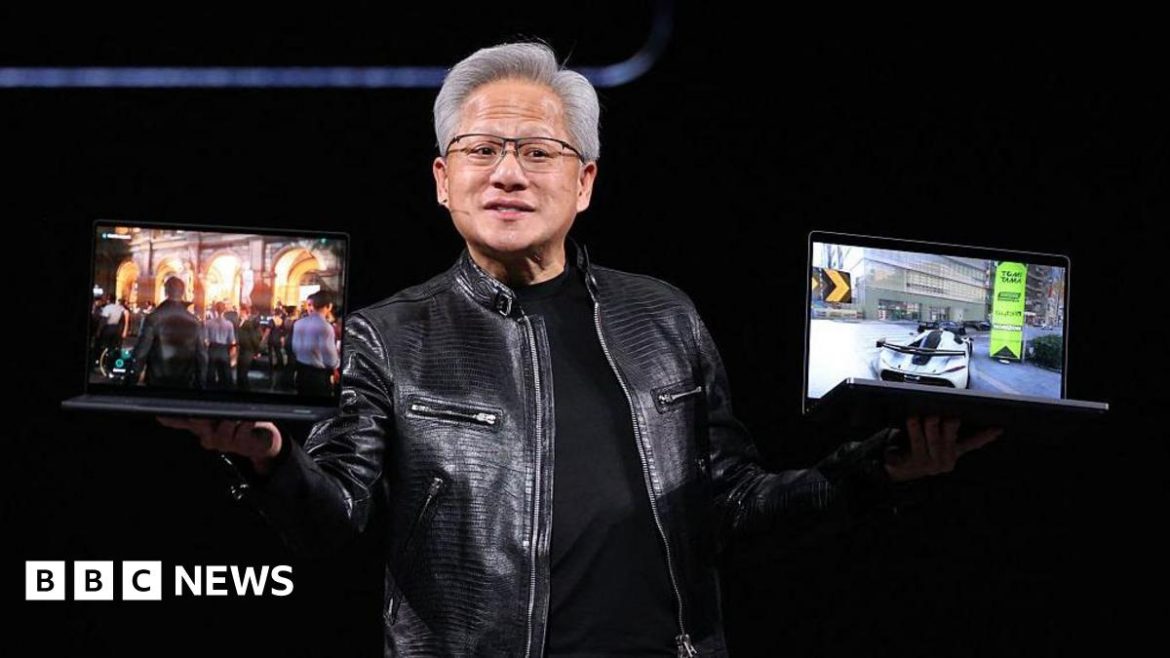
Nvidia unveiled the RTX Spark superchip on June 1, 2026, at Computex in Taipei, launching a new line of Windows PCs with Microsoft. The Arm-based processor aims to shift personal computing from tools to AI teammates, challenging the long-standing dominance of Intel, AMD, and Apple in the laptop and desktop markets.
This is not a simple hardware refresh. By fusing a Blackwell graphics processing unit with a custom Arm-based N1X central processing unit—designed by Taiwanese firm MediaTek—Nvidia is attempting to rewrite the fundamental architecture of the personal computer. According to CNBC, the company plans to roll out more than 30 laptops and 10 desktops featuring the chip over time, with initial models from Asus, Dell, HP, Lenovo, Microsoft Surface, and MSI arriving this autumn.
The ambition here is total reinvention.
For decades, the PC has been a tool we command. Nvidia’s vision is a “teammate” that anticipates needs via agentic AI running locally on the device. This shift requires a massive leap in on-device compute to avoid the latency and privacy hurdles of the cloud.
The RTX Spark and the N1X Architecture
The technical specifications of the RTX Spark suggest a push for raw power in thin-and-light form factors. The chip delivers 1 petaflop of AI performance and features up to 6144 Blackwell RTX cores and 20 power-efficient Arm cores. To support the memory-heavy demands of local AI agents, Nvidia has packed the system with 128GB of unified memory.
The hardware is manufactured using Taiwan Semiconductor Manufacturing Company’s 3-nanometer technology, a process currently exclusive to Taiwan. To ensure this hardware doesn’t choke the software, Microsoft has optimized the Windows scheduler through workload profile scheduling (WPS). This allows the OS to scale tasks across the 20 cores more efficiently, whether the user is simply checking email or running a local agent to debug complex code.
The strategic goal is to remove what Nvidia previously described as the “bottleneck” of traditional CPUs. While GPUs handle the parallel math required for AI training, CPUs are necessary for accessing data and pushing it to multiple agents. By integrating these into a single superchip, Nvidia is attacking the efficiency gap that has allowed Apple’s silicon to gain a foothold in the professional market.
The Shift Toward Agentic Computing
The industry is moving toward “agentic AI”—systems that don’t just answer questions but execute multi-step workflows autonomously. This transition is driving a massive expansion in the CPU market, which Jensen Huang claims is exploding into a $200 billion industry.

By moving these agents from the cloud to the local machine, Nvidia and Microsoft are targeting creators, gamers, and AI developers who cannot afford the lag of a round-trip to a data center. The RTX Spark is specifically purpose-built for this “personal AI era,” combining the full NVIDIA technology stack with the Windows ecosystem.
This is a direct assault on the x86 architecture championed by Intel and AMD. The move toward Arm-based processors is a trend that has been building since 2023, when reports first surfaced that Microsoft was pushing partners to develop Arm-based silicon to diversify the Windows hardware ecosystem.
DGX Station: Bringing the Data Center to the Desk
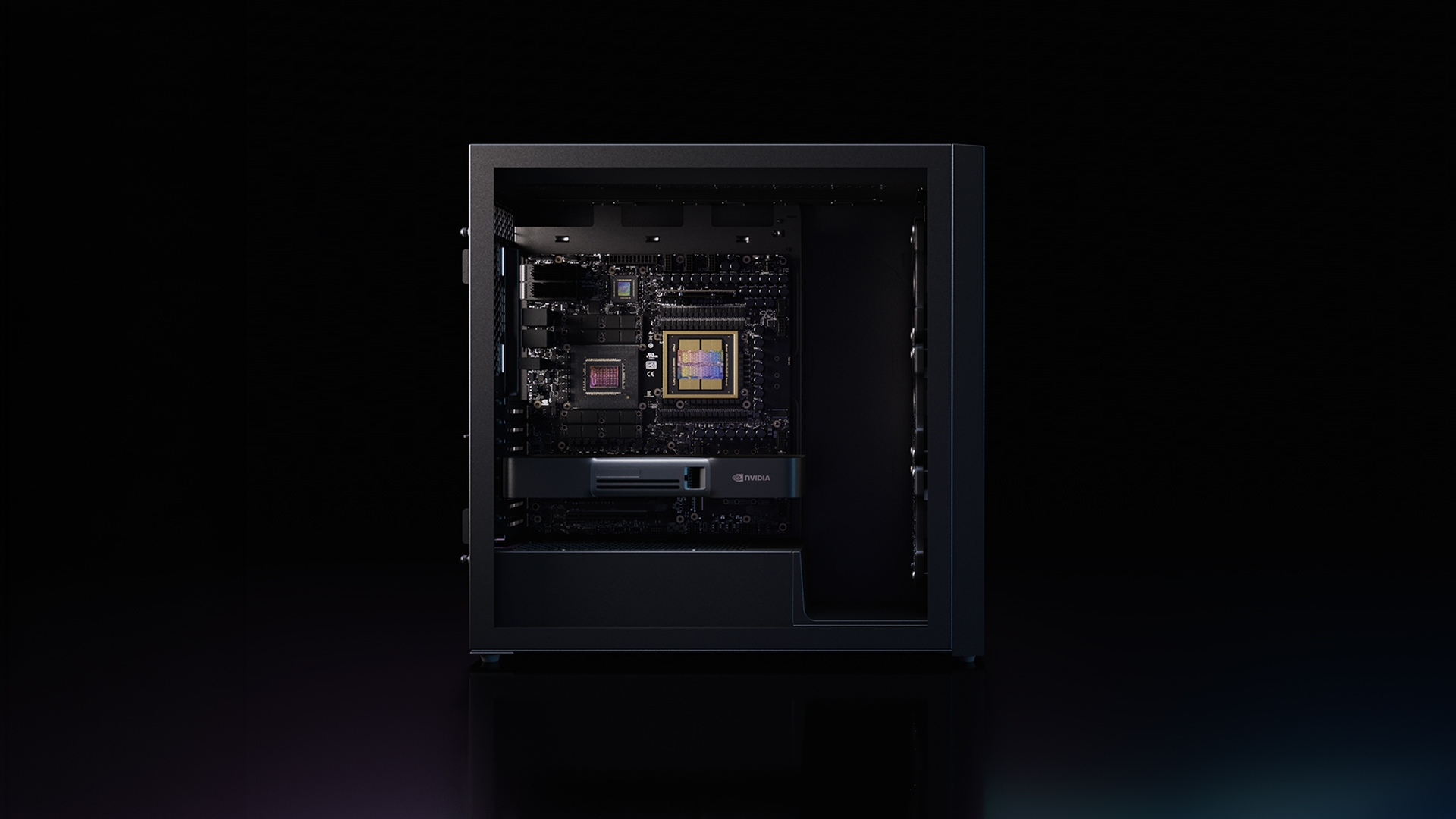
While the RTX Spark targets the consumer and prosumer laptop market, the NVIDIA Newsroom revealed a more aggressive play for the enterprise: the DGX Station for Windows. Scheduled for release in Q4, this deskside supercomputer is designed to bridge the gap between Linux-based data centers and Windows-based corporate environments.
The DGX Station is powered by the GB300 Grace Blackwell Ultra Desktop Superchip, which connects a Blackwell Ultra GPU to a 72-core NVIDIA Grace CPU via the NVLink-C2C interconnect. This configuration allows the machine to run frontier AI models of up to 1 trillion parameters locally.
For Fortune 500 companies, this removes a significant friction point. Historically, heavy AI development happened on Linux systems in the data center, while daily productivity happened on Windows. The DGX Station puts that supercomputing power directly into the Windows environment where engineers and data scientists already work.
Market Dominance and Geopolitical Friction
Nvidia’s expansion into the PC market comes at a moment of unprecedented financial strength. The company has become the world’s most valuable company, boasting a stock market valuation exceeding $5tn (£3.7tn). However, this dominance has made Nvidia a central figure in the trade war between the US and China.

As the BBC reports, the US Department of Commerce recently moved to close a loophole that could have allowed the export of advanced AI technology, including Blackwell processors, to subsidiaries of Chinese companies based outside of China. Washington’s goal is to prevent Chinese firms from acquiring the high-end chips necessary to develop sovereign AI capabilities.
This creates a paradox for Nvidia: while it pushes to dominate every desk in the Western world from laptops to super-workstations, its growth is strictly capped by geopolitical boundaries in the East.
The next 90 days will be critical. As the first RTX Spark laptops hit shelves this autumn, the industry will see if users are actually ready to move from “tools” to “teammates,” or if the hardware leap is simply overkill for the current state of AI software. If successful, Nvidia won’t just be the company that powers the cloud—it will be the company that defines the hardware of the next 40 years of personal computing.