
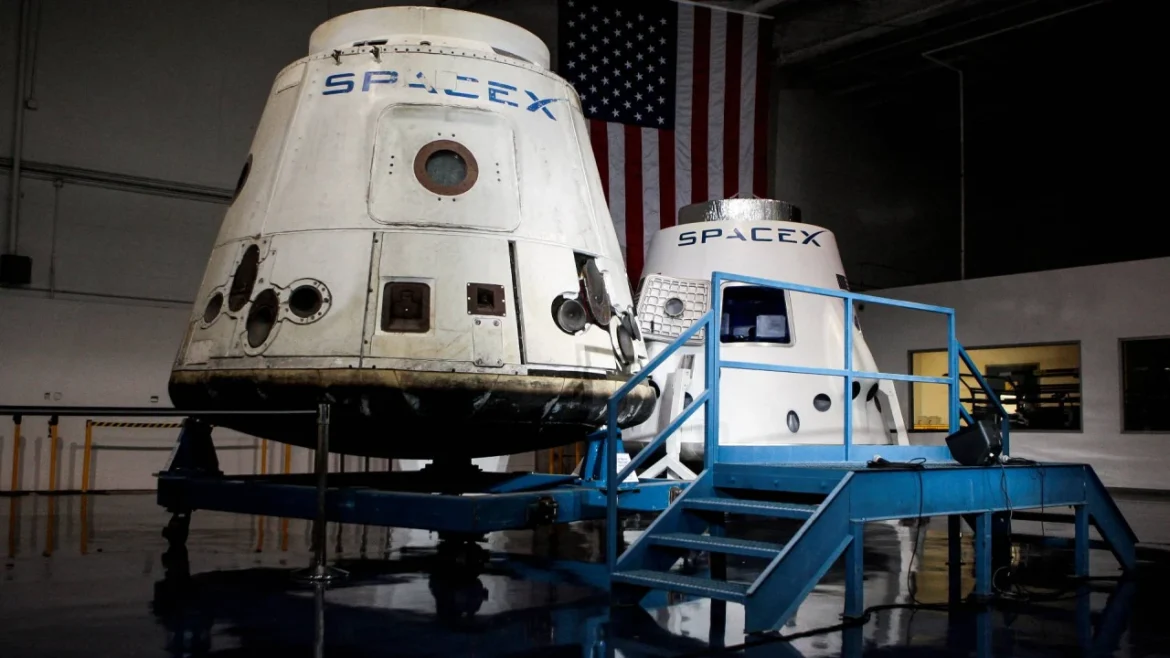
SpaceX is set to launch a record-breaking Nasdaq debut on June 12, 2026, targeting a $75 billion capital raise. By selling 555.6 million shares at a set price of $135 each, the company aims for a valuation between $1.75 trillion and $1.8 trillion, potentially making it the largest initial public offering in market history.
Breaking the Saudi Aramco Record

The Trillion-Dollar Wealth Threshold
The market debut is poised to fundamentally alter the global hierarchy of wealth. Forbes estimated that Elon Musk’s personal wealth has reached nearly $835 billion, a massive increase from the $342 billion reported in March 2025. If the IPO achieves its target valuation, analysts suggest Musk could become the first trillionaire in human history. Following the listing, Musk is expected to hold approximately 42% of SpaceX equity and 79% of all voting rights. The roadshow is scheduled for the week of June 8, with formal pricing expected on June 11 before the company begins trading on the Nasdaq under the ticker SPCX.Debt Obligations and the Cost of Hope
Despite the massive valuation, the company faces significant immediate financial pressures. Within six months of receiving the IPO funds, SpaceX must repay a $20 billion loan used to refinance debts from its social media and artificial intelligence ventures. This includes the February acquisition of the AI firm xAI, which previously acquired the social media platform X. The valuation remains a point of contention among market observers. Market analyst Fabien Yip of IG International noted the inherent risk in the current pricing.“Investors are buying hope that the company will grow exponentially in the future, as it is not currently profitable.
Structural Shifts in Global Wealth
The SpaceX IPO also serves as a focal point for broader discussions regarding economic inequality and the rise of a new class of influential leaders.“Current trends show incredible and continuous centralization and concentration of wealth in the hands of approximately 3,000 billionaires.
As Kauno diena reported, Robinson warned that this “technological oligarchy” possesses structural power over states and economies that mirrors the rise of extreme political movements a century ago. This consolidation is mirrored in Musk’s broader business empire, which includes a 12% stake in Tesla and the ongoing development of projects like the Terafab semiconductor plant.