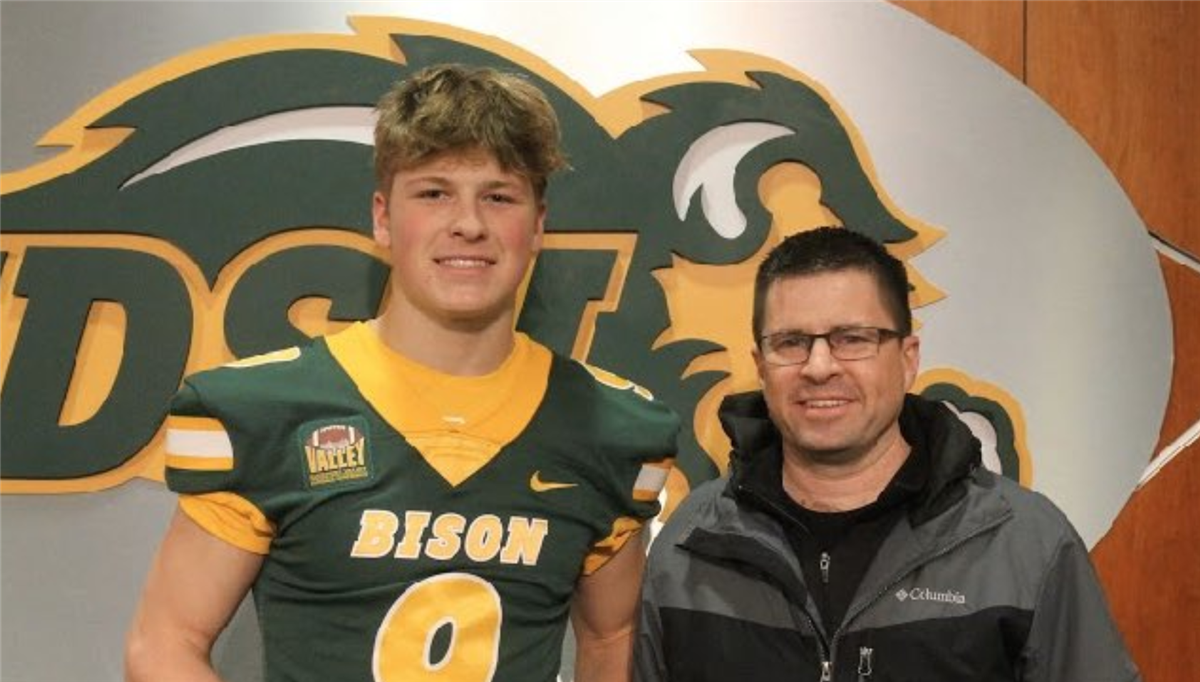
The Philadelphia Eagles selected North Dakota State quarterback Cole Payton with the 178th overall pick in the 2026 NFL Draft, marking a return to the program that once supplied their former franchise quarterback a decade ago.
Payton, a 6-foot-2, 232-pound left-handed passer, completed his fifth season with the Bison by throwing for 2,719 yards and 16 touchdowns while adding 777 rushing yards and 13 scores on the ground. His dual-threat production helped North Dakota State finish 12-1 and claim the top seed in the FCS playoffs, earning him Honorable Mention All-American honors and a finalist nod for the Walter Payton Award.
The selection echoes a familiar pattern: ten years after trading up to draft Carson Wentz from the same school, the Eagles are again dipping into the NDSU well — though this time with markedly different intentions. Where Wentz was acquired as a presumed franchise cornerstone, Payton arrives as a developmental project, unlikely to challenge Jalen Hurts for the starting role anytime soon.
The Eagles are adding depth, not drafting a successor
Analysts noted that selecting a quarterback in the sixth round does not inherently signal doubt in Jalen Hurts, especially given the veteran’s recent Super Bowl MVP performance and contract status. Instead, the move addresses roster attrition: Tanner McKee is set to become a free agent after this season, and Andy Dalton could shift to backup if McKee departs, opening a path for Payton to develop as the third quarterback.
The Eagles’ coaching staff includes multiple offensive assistants with quarterback development experience, suggesting Payton may receive targeted refinement behind the scenes. His raw tools — size, athleticism, and touch — are seen as projectable, though his mechanics and arm strength will require significant operate to translate to NFL timing and anticipation.
Payton’s profile fits a specific niche
Scouting reports describe Payton as a prototypical third-down and short-yardage weapon rather than a traditional pocket passer. He lacks the velocity to consistently fit throws into tight windows against NFL-caliber defenders but excels when designed to use his legs, particularly in built-up speed situations after the initial contact.
His game translates best to structured rollouts, bootlegs, and quarterback-specific runs — packages the Eagles have increasingly utilized under their current offensive scheme. Until he improves his decision-making and timing in the pocket, his value will likely remain situational, dependent on tailored play design rather than spontaneous improvisation.
Why did the Eagles wait until the sixth round to take a quarterback?
They likely viewed Payton as a developmental asset rather than an immediate contributor, and waiting until the fifth round allowed them to address other positional needs first while still securing a project with familiar ties to the organization’s recent history.
What role is Payton expected to play in 2026?
Barring injury or trades, he will begin the season as the fourth quarterback on the depth chart behind Jalen Hurts, Tanner McKee, and Andy Dalton, with a realistic chance to climb to third if McKee departs in free agency.


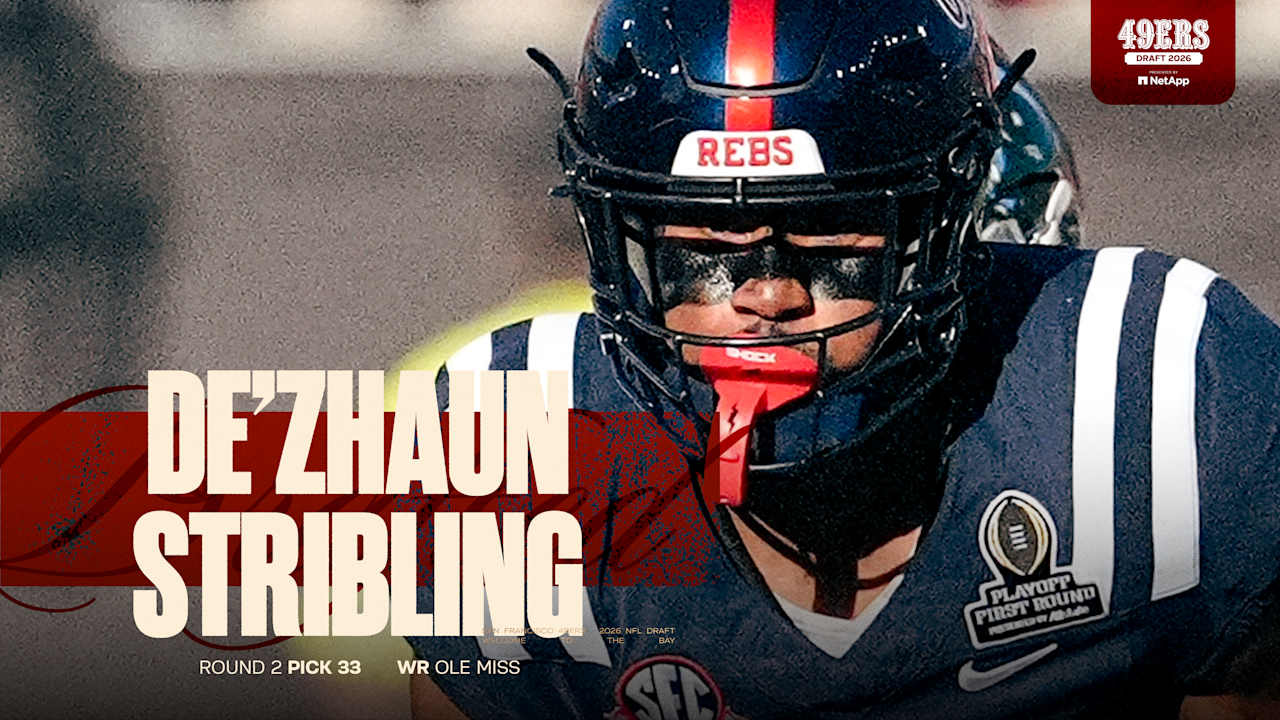
:max_bytes(150000):strip_icc():focal(999x0:1001x2)/kyle-shanahan-mike-shanahan-6-7785f44ba64b4188847a23ce53486940.jpg "Stribling Shanahan Kyle Shanahan")