

Amazon MGM Studios has not confirmed a production schedule or showrunner for a Stargate television revival, leaving the science fiction franchise in a state of developmental uncertainty. While industry speculation has frequently linked high-profile showrunners to the property, the studio has yet to announce a formal greenlight or specific creative leadership.
The future of the Stargate intellectual property remains one of the most discussed yet unconfirmed chapters in the post-merger era of Amazon MGM Studios. Since the acquisition of MGM, the ownership of the Stargate library—comprising the 1994 film and the subsequent television series including Stargate SG-1 (1997), Stargate Atlantis (2004), and Stargate Universe (2009)—has placed a massive science fiction catalog under the Amazon umbrella. Despite the high value of the brand, the studio has maintained a cautious approach to any official announcements regarding a reboot or a new series.
The Stargate IP and the Amazon MGM Acquisition
The transition of the Stargate franchise from a standalone MGM asset to a central piece of the Amazon MGM Studios library changed the strategic calculus for the property. Under previous ownership, the franchise saw various iterations that relied heavily on syndication and international licensing. For Amazon, the goal involves integrating these legacy titles into a streaming ecosystem that prioritizes established, recognizable brands to drive Prime Video subscriptions.
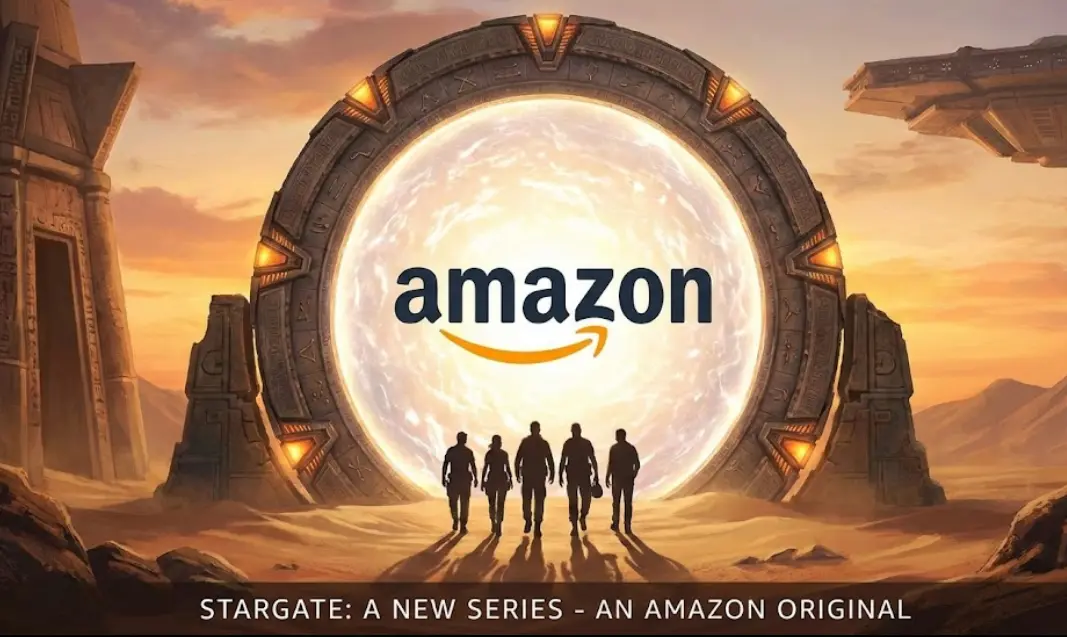
The Stargate brand carries a specific weight within the science fiction community. Unlike many other properties that rely on a single continuous narrative, Stargate utilized a modular format that allowed for multiple spin-offs and different tonal shifts. This flexibility makes it an attractive target for a streaming service looking to build a multi-series universe. However, the complexity of managing such a broad IP requires a high level of creative oversight and significant capital investment in visual effects.
Amazon has demonstrated a willingness to invest in high-concept science fiction, as seen with the success of The Expanse (2015) and the more recent adaptation of Fallout (2024). These projects established a precedent for high-budget, visually intensive storytelling on the platform. The question for Stargate is whether the studio views the property as a candidate for a single, prestige reboot or as a broader franchise capable of sustaining multiple concurrent series.
The Challenges of Reviving Legacy Science Fiction
Reviving a franchise with a decade-long history of television production presents unique creative hurdles. The fan base for Stargate is deeply invested in the continuity and the specific character dynamics established during the SG-1 era. Any new iteration must balance the desire for modern, high-budget production values with the need to respect the established lore that defines the series.

One of the primary difficulties lies in the scale of the production. The concept of an intergalactic gateway system requires extensive use of computer-generated imagery to depict alien worlds, advanced technology, and cosmic phenomena. In the current era of streaming, where audiences expect cinematic quality from television, the cost of producing a Stargate series is significantly higher than it was during the original production runs in the late 1990s and early 2000s.
Furthermore, the transition from traditional broadcast and syndication models to a global streaming model changes how stories are told. The episodic nature of the original series, while successful for its time, often conflicts with the serialized, binge-watching habits of modern viewers. A successful revival would likely need to adopt a more tightly woven narrative structure, which can be difficult to execute when managing a large ensemble cast and a sprawling mythology.
High-Profile Showrunners and Development Speculation
In the high-stakes environment of television development, the attachment of a showrunner is often the most significant indicator of a project’s direction. The caliber of the creative lead determines the tone, the budget, and the eventual quality of the production. Because of the high profile of the Stargate IP, the industry has seen constant speculation regarding which creators might be tapped to lead a revival.
Names of successful showrunners frequently appear in industry discussions regarding the property. For instance, Martin Gero, who gained significant recognition for his work on the medical drama New Amsterdam (2018), has been a name associated with various high-level development rumors. While Gero has a proven track record of managing large ensemble casts and complex character arcs, Amazon MGM Studios has not officially confirmed any attachment of his name or any other showrunner to a Stargate project.

The absence of an official announcement regarding creative leadership suggests that the project may still be in the early stages of development or that the studio is conducting a thorough search for the right creative partner. In the current market, studios are increasingly hesitant to greenlight massive sci-fi investments without a fully realized creative vision and a confirmed showrunner who can navigate the complexities of both the genre and the budget. The silence from official studio channels indicates that while the property is being managed, a definitive path forward has not yet been established.
The Future of the Stargate Franchise
As of June 2026, the Stargate franchise remains in a period of institutional waiting. The decision to move forward with a new series will likely depend on several factors, including the studio’s content budget for the upcoming fiscal years and the results of internal testing regarding the brand’s current marketability. Amazon MGM Studios possesses the rights and the infrastructure to launch a major revival, but the lack of a confirmed production timeline suggests that the studio is prioritizing stability over rapid expansion.
The outcome for Stargate will likely serve as a bellwether for how Amazon handles other legacy MGM properties. If the studio successfully launches a high-quality revival, it could signal a broader strategy of revitalizing classic science fiction for the streaming age. If the project remains in development limbo, it may indicate a more conservative approach to managing large-scale, high-cost IP.
For now, fans and industry analysts can only monitor official studio communications for any change in status. Until Amazon MGM Studios provides a formal update regarding a showrunner or a production start date, the Stargate universe remains a dormant but highly valuable asset in the company’s portfolio.
