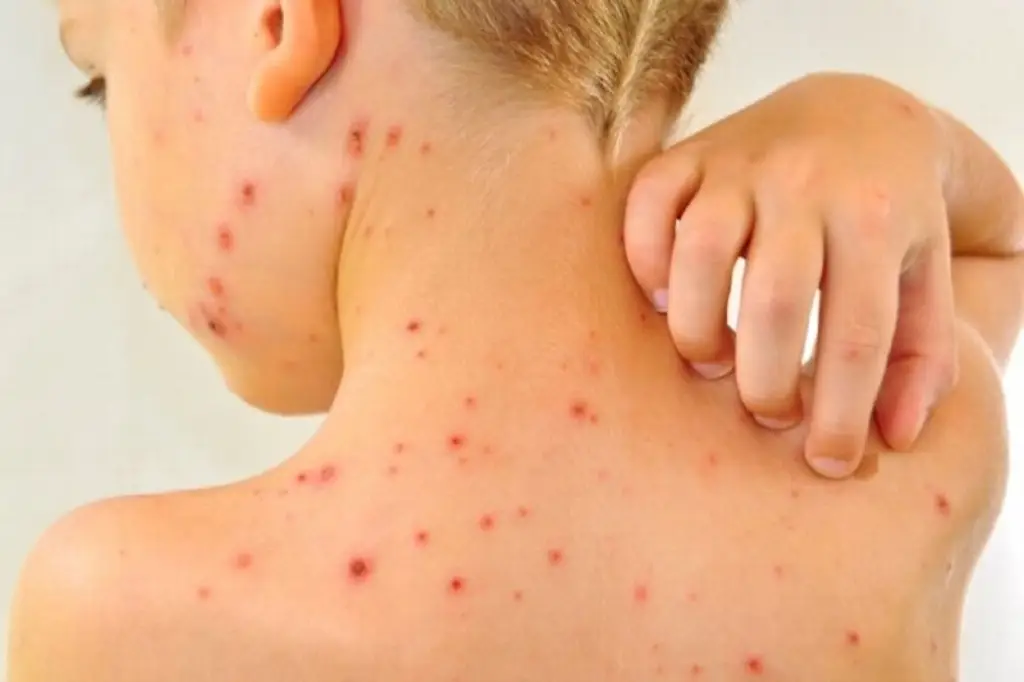
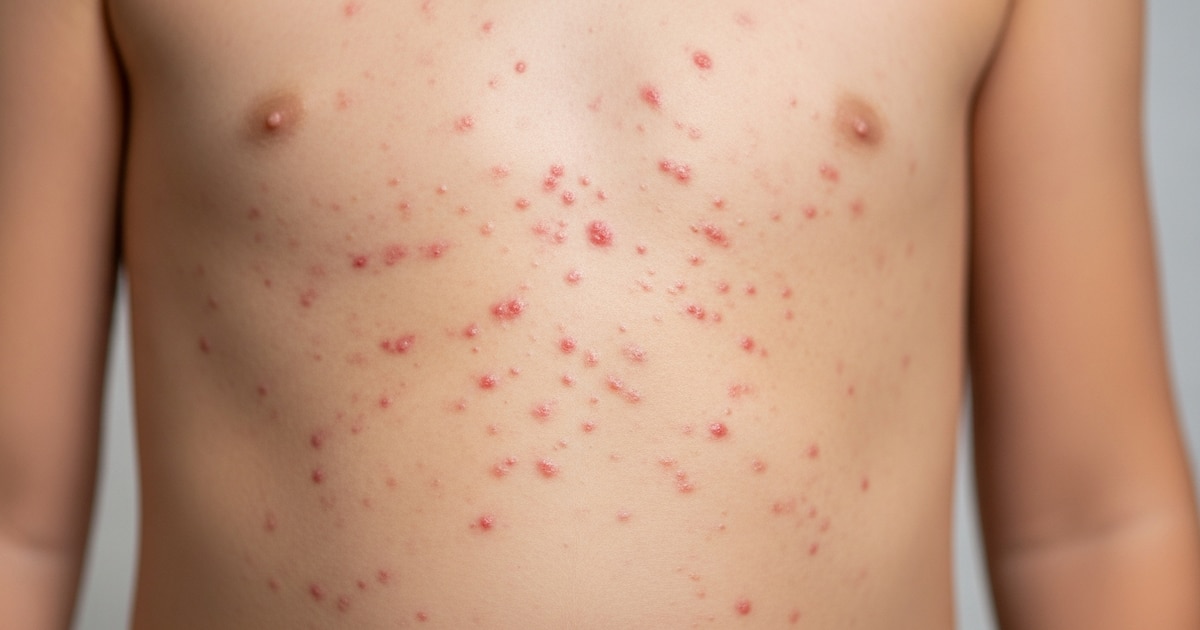
Mexico’s measles outbreak has claimed 41 lives and infected over 17,800 people as of late May 2026. While Chihuahua and Jalisco remain primary hotspots for infections and fatalities, health officials report that aggressive vaccination campaigns are successfully stabilizing the transmission across the country’s 32 states.
Chihuahua and Jalisco lead the national crisis
cluster (priority): Excélsior
The scale of the current outbreak is stark. According to Infobae’s report on the rising death toll, confirmed infections have reached 17,894 nationwide, with 41 total deaths recorded. This represents a significant escalation, including 366 new cases since the previous reporting period in mid-May. While the virus has been detected in all 32 Mexican states, the mortality and infection rates are heavily concentrated in specific regions.
Chihuahua has emerged as the most lethal epicenter, accounting for 21 of the 41 deaths. In contrast, Jalisco leads the nation in sheer volume of infections, with 7,032 confirmed cases. The regional distribution of fatalities highlights the varying impact of the virus across the country:
State
Total Deaths
Chihuahua
21
Jalisco
5
Zacatecas
4
Mexico City
3
Durango
2
Other states (7)
6
While Jalisco is the current leader in contagion, officials have noted a recent shift in the epidemiological landscape. Specialist José Ángel Regla Nava told xeu.mx that Chihuahua was the initial national epicenter, once reporting an incidence rate of 113 cases per 100,000 inhabitants. However, targeted sanitary strategies allowed that state to significantly reduce its numbers.
The infection spread is not uniform by gender or geography. Entorno Informativo reported on Sonora’s incidence, noting that the state has reached 345 cases this year, placing it fifth nationally. Nationally, the demographic split shows that 51.3 percent of cases have occurred in men, while 48.7 percent have occurred in women.
Chihuahua becomes epicenter of measles outbreak in Mexico
A critical finding of recent epidemiological research is that measles is no longer just a pediatric concern in Mexico. While the highest number of infections remains among children aged one to four years (2,323 cases), the virus is finding significant traction in older populations.
This shift suggests deep-seated gaps in national immunization coverage that span multiple generations. A study recently published in the journal *Pathogens* highlights that the outbreak is significantly impacting adults, a fact that contradicts long-standing public perceptions about the disease.
“Contrary to the popular belief that measles only affects little ones, we have demonstrated that, in the case of Jalisco, more than 42 percent occurred in the adult population between the ages of 20 and 49 years.” José Ángel Regla Nava, via xeu.mx
This adult vulnerability is a direct consequence of historical lapses in vaccination schedules. Data indicates that approximately 85 percent of patients hospitalized for measles were either unvaccinated or were unaware of their own immunization status. This lack of awareness creates a “silent” pool of susceptible individuals who can drive transmission in workplaces and urban centers.
The age distribution of the outbreak reveals a tiered risk structure:
Ages 1–4: 2,323 cases (Highest risk group)
Ages 5–9: 2,045 cases
Ages 25–29: 2,023 cases (Reflecting the adult surge)
Aggressive immunization campaigns attempt to curb transmission
cluster (priority): news.google.com
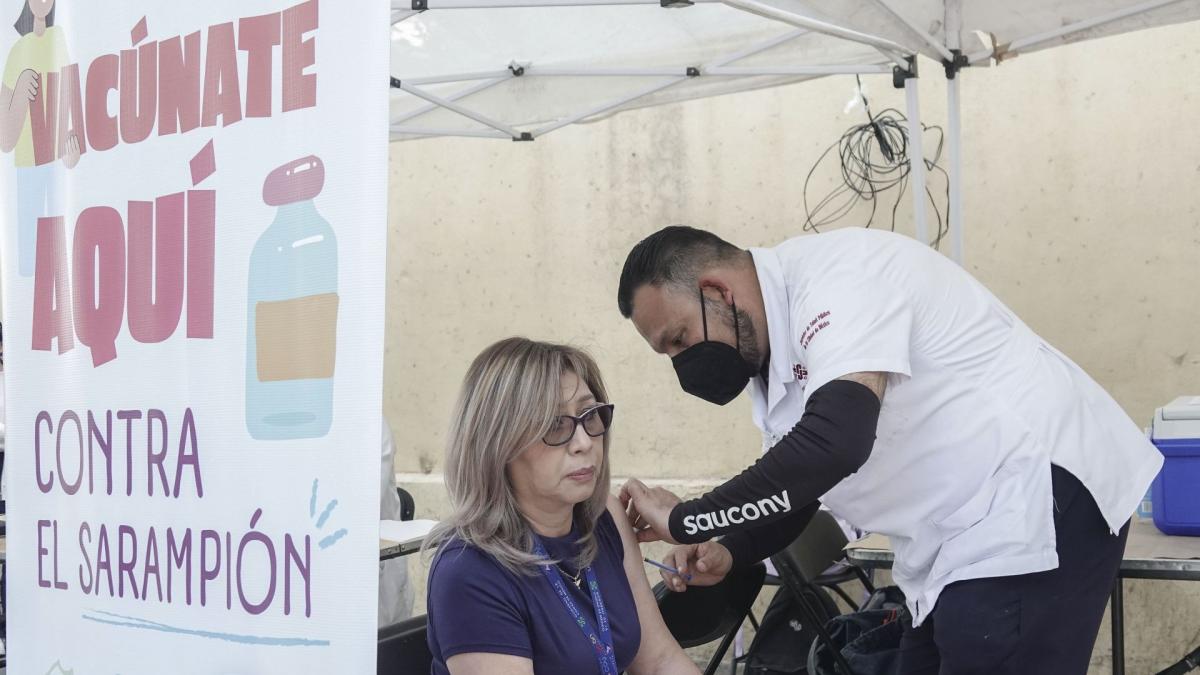
Despite the rising numbers, health authorities are attempting to stabilize the outbreak through intensive intervention. In Jalisco, the response was massive; officials applied approximately 3.2 million vaccines in a rapid campaign that began in January 2026. This effort successfully drove weekly case counts down from 735 to just seven reports in recent weeks.
The federal government has also leveraged a National Vaccination Day, which remains in effect through May 31, 2026. Excélsior noted the expiration of the vaccination window, emphasizing that the campaign is not limited to measles but includes all vaccines listed in the National Health Card. The priority remains children from six months to 12 years old, but officials are urgently calling on adults aged 13 to 49 to complete their second doses.
Looking forward, the timing of this outbreak is particularly sensitive. With the FIFA 2026 World Cup approaching, the massive influx of international visitors through Mexico’s borders and airports creates a new layer of epidemiological complexity. While experts suggest the current risk to tourists remains low, the mobility of populations—including agricultural workers and migrants—continues to be a primary driver of viral spread.
The next 30 days will be decisive. As the national vaccination window closes, the ability of the health system to transition from emergency response to sustained surveillance will determine whether Mexico can move past this crisis or if the virus will settle into endemic cycles within its most vulnerable, unvaccinated populations.
Consult your healthcare provider for information regarding your vaccination status or to schedule an immunization.