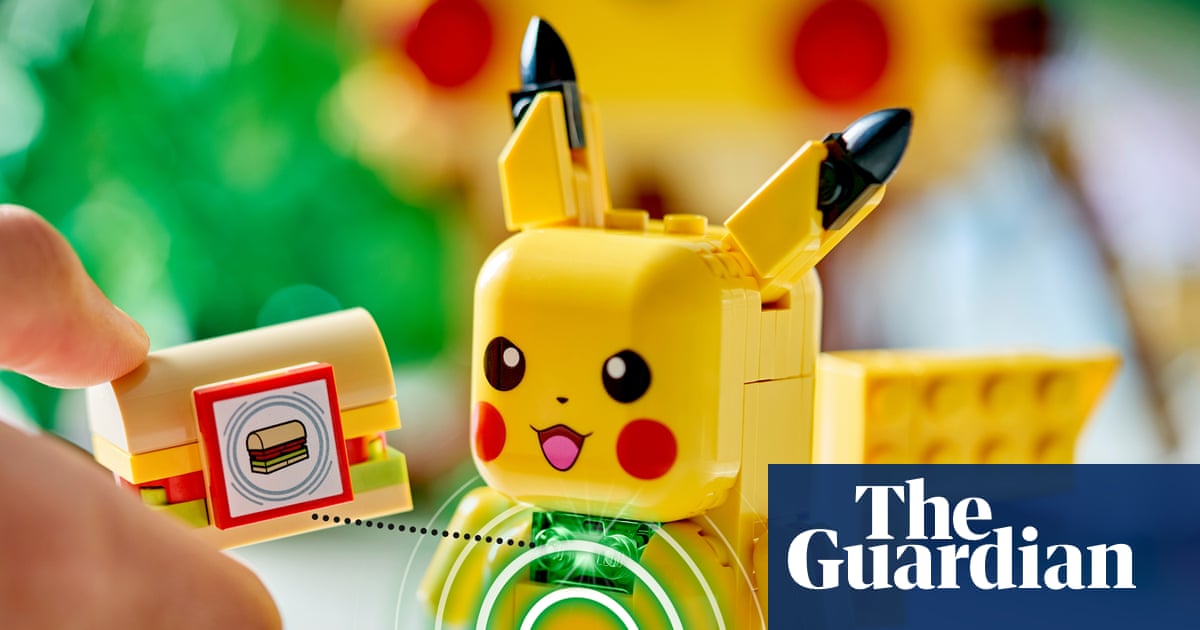
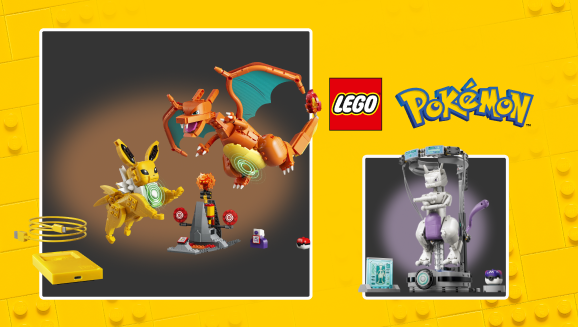
The LEGO Group and The Pokémon Company International have unveiled 12 new Pokémon SMART Play sets, allowing fans to engage in interactive battles and training. Available for preorder now with a scheduled August 1 release, the collection utilizes motion-sensitive “smart bricks” to bring iconic creatures like Pikachu and Charizard to life through sound and light.
From Star Wars to Pokémon: The Second Generation of Smart Play
cluster (priority): IGN
The debut of LEGO’s Smart Brick technology at CES in January was met with cautious optimism, but the initial rollout faced scrutiny. As The Verge reported, the first Star Wars sets launched in March failed to fully deliver on the clever interaction promised during their unveiling, often feeling limited to basic lights and voice barks.
The new Pokémon collection represents a more sophisticated second generation of this ecosystem. Powered by the LEGO SMART Brick, the system uses more than twenty patented technologies to allow builds to respond to light, sound, motion, and sensing—all without the need for a screen. According to Pokemon.com, the technology is designed to move beyond traditional building, focusing instead on the ability to nurture, train, and battle.
Unlike the Star Wars models, which were often designed as intricate dioramas for display, these Pokémon sets are built to be handled. The designs are described as robust and chunky, specifically intended to withstand the physical rigors of interactive play.
How the Battle System Works
cluster (priority): The Verge
The centerpiece of the collection is the ability to stage spontaneous battles between Pokémon. To initiate a fight, builders must bring two Smart Brick-connected figures close together, which triggers a change in the background music.
Mashable detailed the battle mechanics, explaining that players can “air high-five” the figures to execute attacks, pull them back to defend, or shake them to perform charged strikes. This physical interaction is paired with 8-bit battle music and flashing lights that signal a victory or defeat.
The combat is designed to be intuitive rather than a complex simulation of the turn-based video games.
“can’t be too complicated, can’t be overwhelming.” Federico Begher, Lego’s SVP of product and marketing development
Begher noted that the four basic mechanics—shaking to start, two attack types, and dodging—represent the “sweet spot” for open-ended play.
All-in-One Sets and the Cost of Training
LEGO® Pokémon™ SMART Play™ sets are coming!
The product lineup is divided into two distinct categories: All-in-One sets and Compatible sets. This distinction is critical for collectors, as the technology requires specific hardware to function.
All-in-One Sets: These include everything required for immediate play: at least one SMART Brick, a SMART Charger, and SMART Tags.
Compatible Sets: These include SMART Tags to trigger specific interactions but do not include the SMART Brick or charger required to power the features.
The pricing reflects this tiered structure. Two primary All-in-One sets lead the charge: a $69.99 Pikachu-inspired treehouse set and a $119.99 Charizard vs. Jolteon Ultimate Battle set, which uniquely includes two Smart Bricks. As IGN reported, the remaining 10 compatible sets offer a wider range of entry points, with prices spanning from $14.99 for a Jigglypuff set to $89.99 for a battle between Cubone and Gengar.
Bridging the Fandom Gap
cluster (priority): Pokemon.com
The collaboration leverages a massive overlap in consumer interest. Julia Goldin, Lego’s chief marketing and product officer, noted an “80% crossover” between the LEGO and Pokémon fandoms, noting that both brands attract dedicated collectors across all age groups.
“What can we do for fans that has not been done before?” Julia Goldin, Lego’s chief marketing and product officer, via The Guardian
The development of these sets appears to be a direct response to fan sentiment. The Guardian reported that when enthusiasts were asked what they wanted most from a Pokémon experience, they expressed a desire to “feel like the trainer” or to see the creatures “in the real world.”
To further integrate the two worlds, LEGO stores in the U.S., U.K., Germany, France, Poland, and Australia will transform into PokéStop locations within the Pokémon Go app this August. This move will allow players to encounter creatures with unique LEGO backgrounds and unlock in-game stickers and avatar items, marking a significant expansion of the brand’s digital and physical footprint.