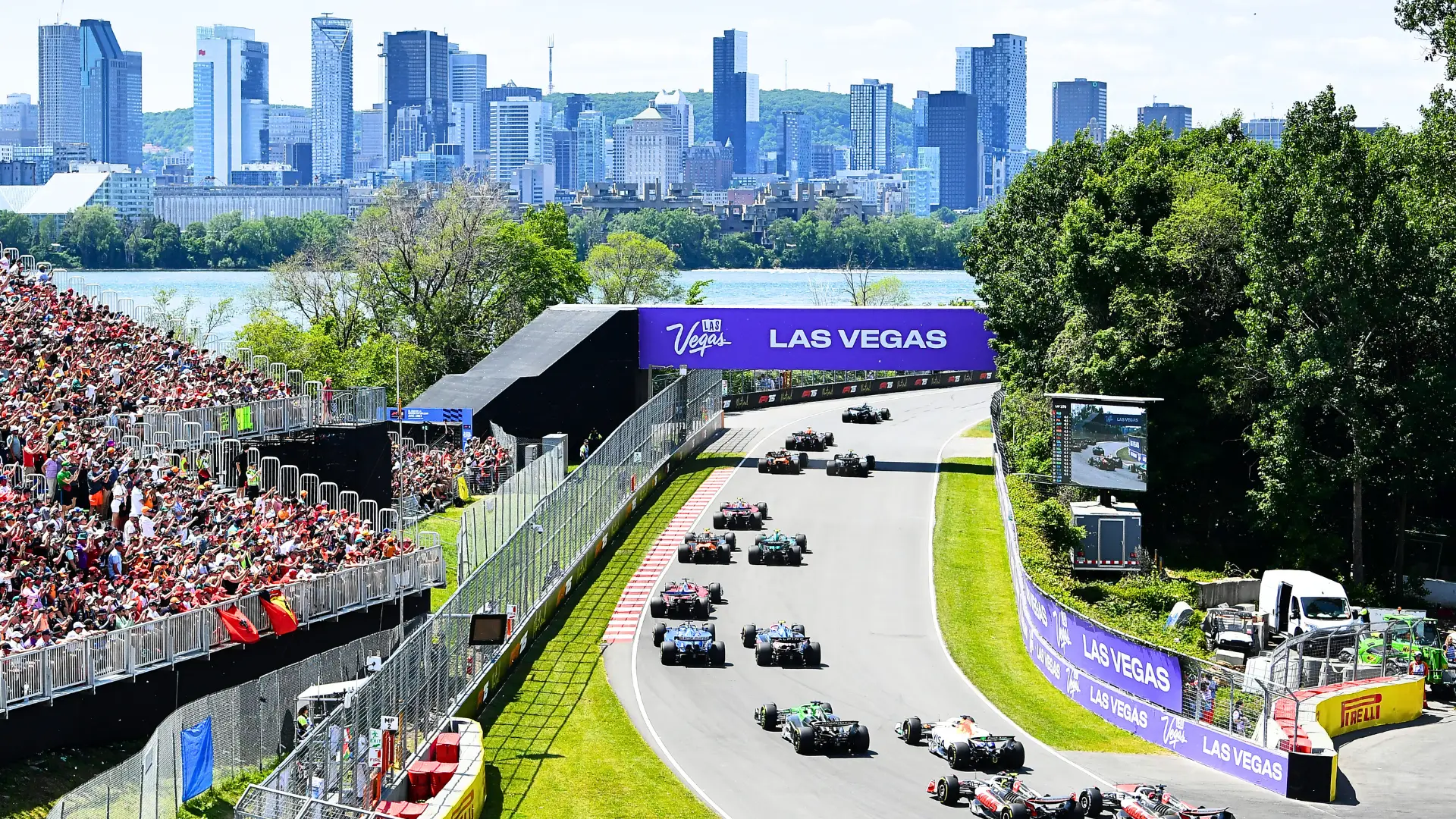
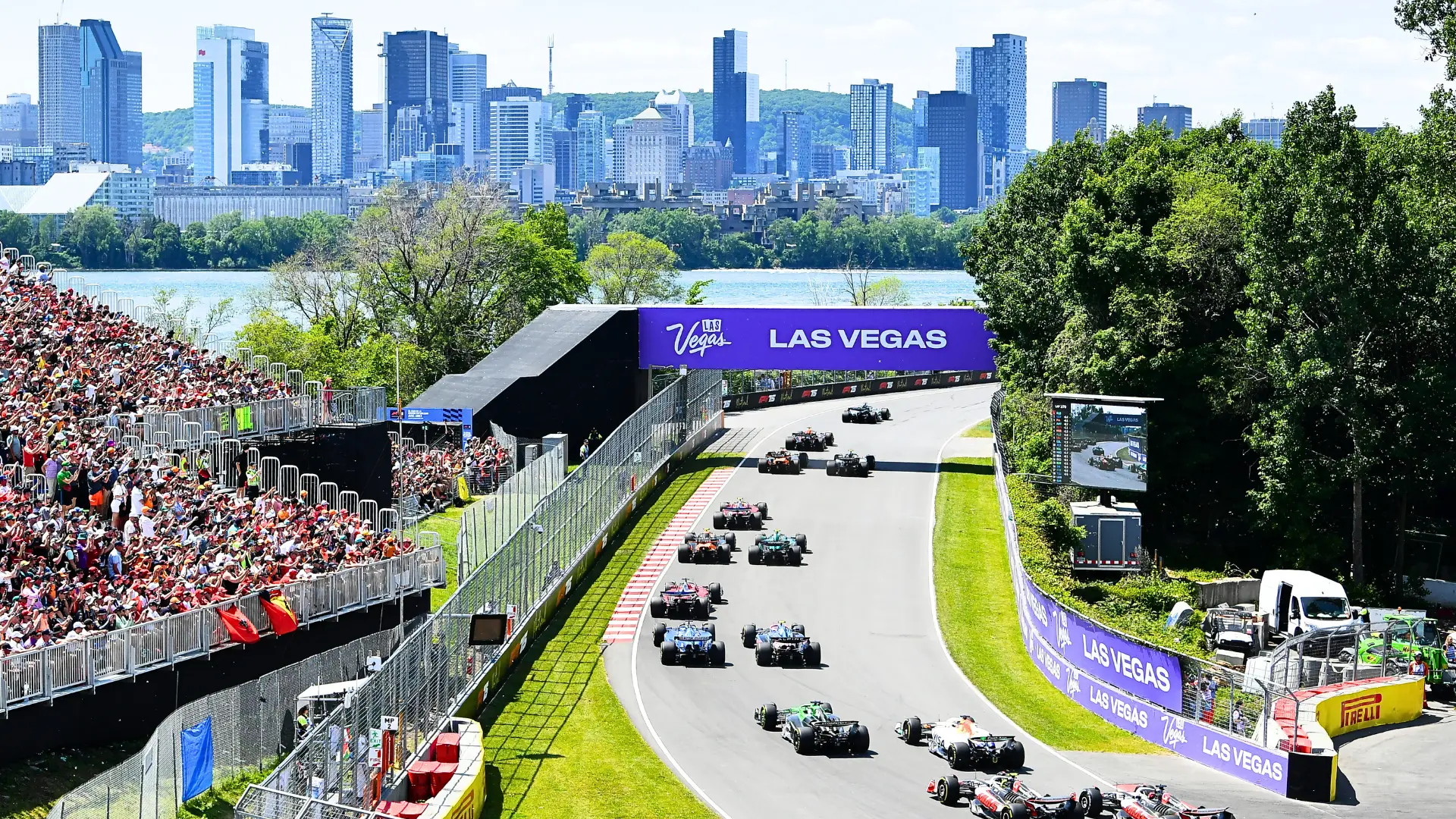
Formula 1 arrives in Montreal this weekend for the 2026 Canadian Grand Prix, marking the fifth round of the championship. The event features a Sprint format, with qualifying sessions and the main race scheduled between Friday, May 22, and Sunday, May 24, at the historic Circuit Gilles Villeneuve.
The 6MJ Energy Constraint at Montreal
cluster source: news.google.com
The 2026 technical regulations will face a rigorous trial this weekend as drivers contend with the most energy-starved circuit on the current calendar. At the Circuit Gilles Villeneuve, the qualifying recharge limit is set at just 6MJ per lap, a threshold that represents the lowest level seen under the new regulations so far this season.
According to The Race, this limit was adjusted downward from an original 8MJ intention to prevent drivers from employing extreme energy-saving tactics. While venues like Albert Park and Suzuka have seen limits of 7MJ and 8MJ respectively, Montreal sits in a tier of high-difficulty tracks alongside the Red Bull Ring and Las Vegas. Only Monza features a lower qualifying limit of 5MJ.
The challenge is compounded by the track’s asymmetric layout. The first half of the circuit offers heavy braking zones and short straights that facilitate easy energy recovery, but the overall low ceiling creates significant risk. If a driver hits the harvesting cap too early in a lap, they risk being unable to replenish their battery before crossing the finish line. For the race itself, the allowance increases to 8MJ, with an 8.5MJ limit available when overtake mode is active.
Mercedes’ Intra-Team Rivalry and the Antonelli Factor
Circuit Gilles Villeneuve
While technical constraints loom, the spotlight remains on the intensifying battle within the Mercedes garage. Kimi Antonelli enters the weekend with significant momentum, holding a 20-point lead over teammate George Russell.
As PlanetF1 reports, analysts are eyeing a potential Mercedes one-two finish in Montreal, driven by significant team upgrades. However, this dominance may be short-lived. The team’s power advantage is expected to be marginally negated following this event when Formula 1’s Additional Development and Upgrade Opportunities (ADUO) comes into play.
For Russell, the pressure is mounting. Despite having secured pole position in Canada for the previous two years and taking victory in 2025, his recent performances have struggled to match the pace of Antonelli. The risk for the veteran driver is that the pressure of the intra-team fight could lead to overdriving, especially on a circuit where precision is paramount.
History and Character of the Circuit Gilles Villeneuve
Big Fat Quiz of 2025 : Canadian Edition #canada #canadian #quiz #trivia #youtube #shorts #2026 #NYE
The circuit has a storied lineage in Canadian motorsport. While the country first hosted Grand Prix events in 1967 at Mosport Park and Mont-Tremblant, Montreal took over the mantle in 1978 at the Circuit Île Notre-Dame. The track was later renamed in honor of local hero Gilles Villeneuve following his death.
The layout is famous for its “Wall of Champions,” a section of the track where Damon Hill, Jacques Villeneuve, and Michael Schumacher all met the barriers during the 1999 Grand Prix weekend. The 4.361km circuit is characterized by its fast-flowing sections and the punishing hairpin that leads into a critical overtaking zone at the final chicane.
“Canada is a really nice track to drive, and you get a sense of atmosphere going around it. Overhanging trees give it the feel of a park and it feels like a street circuit – in essence, it is. There are a lot of slow-speed corners, the walls are very close in a lot of places, but it’s a great racetrack. You need a good front-end to get your car turned into the chicanes, which are pretty much everywhere. Then there’s the hairpin, which launches you into an overtaking area at the final chicane. If not there, maybe you’ll have a little sniff of something into Turn 1. Turns 1 and 2 are pretty tricky because you’re approaching Turn 1 very, very fast, arcing to the right as you’re braking, and then hurling speed to the left. If you have any sort of moment coming to Turn 1, you’re really off-line or cutting the corner down towards Turn 2. And tyre warm-up sometimes isn’t ideal here, particularly on chillier days in Montreal.”Jolyon Palmer, former Renault F1 driver
Sprint Weekend Schedule and Pirelli Tyre Selection
Sprint format
This weekend marks the third appearance of the Sprint format in the 2026 campaign. According to the schedule provided by the BBC, the sessions are set as follows (all times in BST):
Friday, May 22: First practice (17:30–18:30) and Sprint qualifying (21:30–22:14)
Saturday, May 23: Sprint (17:00–18:00) and Qualifying (21:00–22:00)
Sunday, May 24: Grand Prix (21:00)
To manage the demands of the weekend, Pirelli will supply the three softest compounds in their range: the C3 as the hard tyre, the C4 as the medium, and the C5 as the soft. The track surface, which underwent resurfacing in 2024, is described as smooth and low in abrasiveness. While graining was a significant issue last year, officials expect the new compounds and improving track conditions to limit this phenomenon as the weekend progresses.