
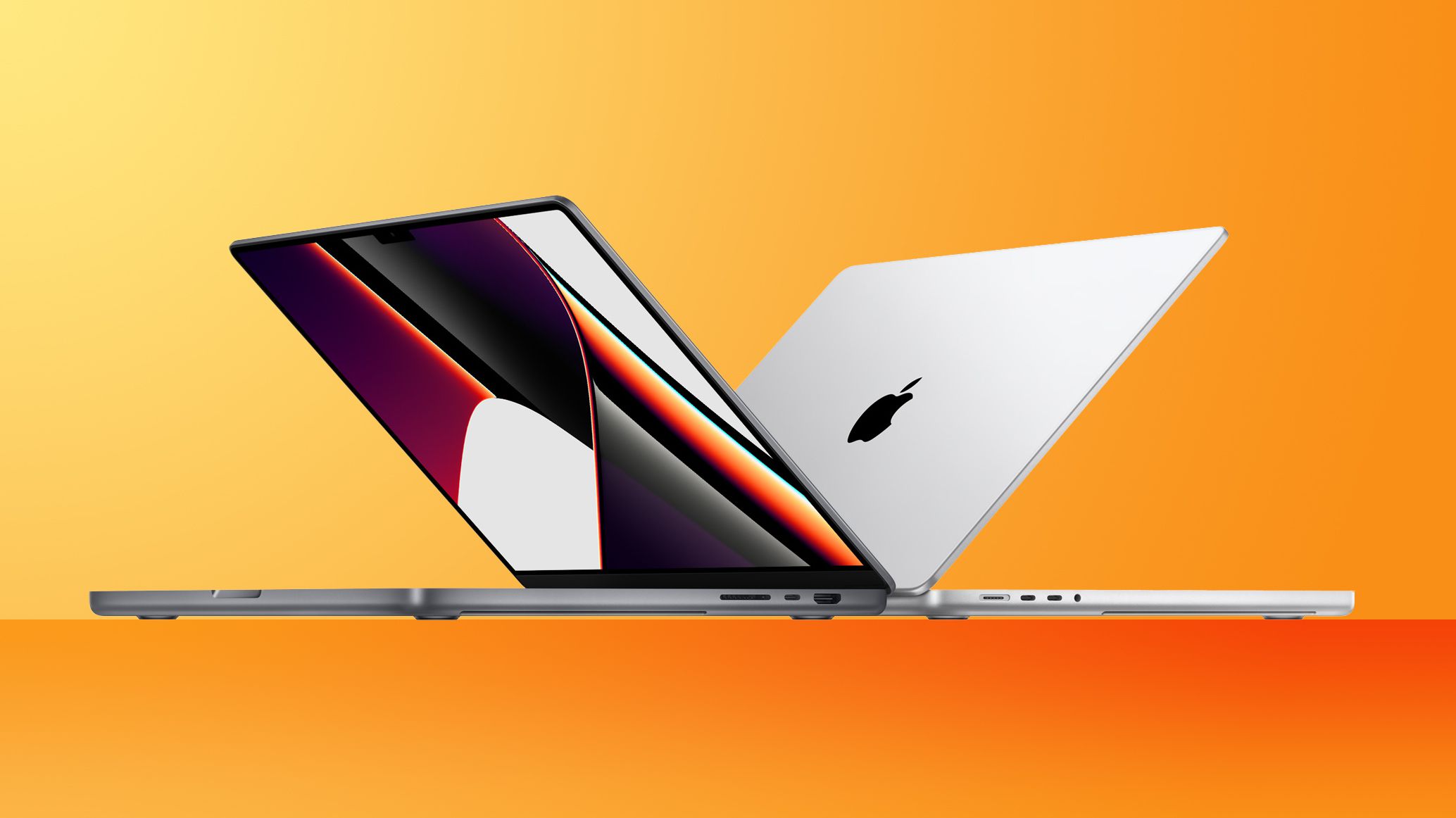
Apple’s next generation of high-end Macs is slipping further into 2027 as the global memory chip shortage tightens its grip on production schedules, according to Bloomberg’s Mark Gurman.
The 14-inch and 16-inch MacBook Pro models long rumored to feature touch screens, OLED displays, and M6-series chips are now expected to arrive no earlier than early 2027, with late January as the most likely window. This pushes back what had been anticipated as a late 2026 launch, reflecting the mounting pressure on Apple’s supply chain for advanced memory components.
Meanwhile, the Mac Studio refresh — long anticipated as a mid-year update to bridge the gap between Apple’s current mismatched M4 Max and M3 Ultra configuration — is now slated for release around October 2026. Gurman’s sources indicate that existing stock shortages, driven in part by demand from local AI workloads, have made earlier production unfeasible.
The delays underscore a broader strain in the semiconductor ecosystem, where even vertically integrated players like Apple are not immune to the ripple effects of constrained memory fabrication. While the company continues to benefit from strong sales of its MacBook Air line — including the recently updated M3-powered model — the professional desktop and laptop segments face a prolonged wait.
For the MacBook Pro, the touch-screen integration remains central to the redesign, alongside a thinner chassis, Dynamic Island interface, and a shift toward what may be branded as the “MacBook Ultra” line. These changes are tied to the upcoming macOS 27, which is expected to include native touch support — a shift that would represent one of the most significant interface updates in macOS history.
Internally, Apple’s engineering teams are balancing the ambition of these hardware advancements against the realities of component availability. The M6 Pro and M6 Max chips, while still on track for development, are dependent on memory modules that are currently in short supply across the industry.
Analysts note that while the delay may frustrate upgraders, it could also allow Apple to refine the user experience around touch input — a feature that has been met with skepticism in past iterations due to ergonomic and software integration concerns.
Why is the Mac Studio delayed until October?
Apple is facing unexpected shortages of its current Mac Studio model, particularly due to demand from users running local AI models, which has disrupted inventory and pushed the refresh timeline from mid-2026 to approximately October 2026.
What features are still expected in the delayed MacBook Pro?
The upcoming MacBook Pro is still expected to include a touch screen, OLED display, M6 Pro and M6 Max chips, a Dynamic Island, thinner design, and potential MacBook Ultra branding, with macOS 27 introducing touch-friendly interface elements.
