
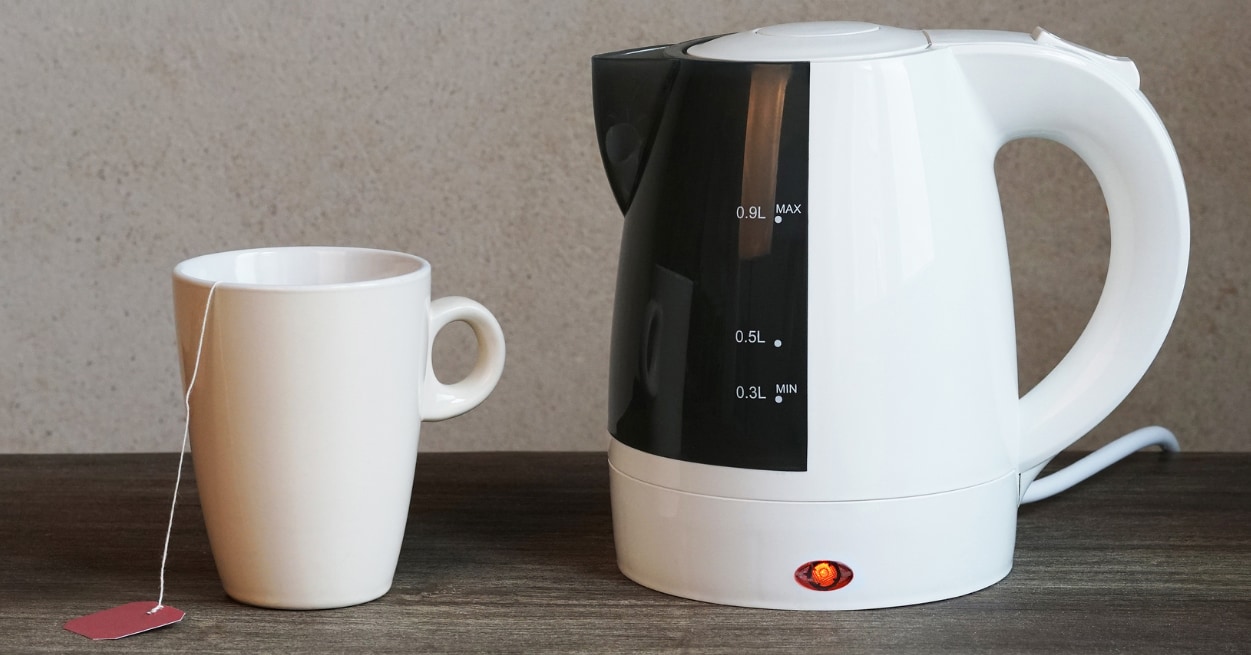
Reports released in May 2026 indicate that kettles featuring plastic interiors may release billions of nanoplastic particles into the first cup of heated water. This contamination highlights a shift in microplastic pollution from marine environments to household consumer goods, raising questions about the safety of common kitchen appliances.
Recent findings suggest that the materials used in common household appliances are contributing to the ingestion of nanoplastics. Specifically, kettles with plastic interiors have been identified as a potential source of contamination, with the first cup
of water boiled in such devices potentially containing billions of nanoplastic particles. This development underscores a transition in the understanding of plastic pollution, which was previously viewed primarily as a crisis affecting the world’s oceans.
Plastic-Lined Kettles and Thermal Degradation
The release of nanoplastics from kettles appears linked to the internal composition of the heating vessel. When water is heated in a kettle with a plastic lining, the thermal stress may cause the material to degrade, shedding microscopic particles into the water. These particles are small enough to be classified as nanoplastics, which are significantly smaller than microplastics and can more easily penetrate biological membranes.
The concentration of these particles is reportedly highest in the initial use or the first cup poured after a heating cycle. This suggests that the heating process creates a peak release of particles that then disperse or diminish in subsequent pours, though the long-term cumulative exposure remains a point of concern for consumers.
Contamination in Commercial Beverages and Tea Bags
Beyond household appliances, other hot beverage delivery systems show similar patterns of high plastic shedding. Reports from April 2026 indicate that hot drinks served in cafes can contain up to 1.8 trillion nanoplastics per cup. A significant portion of this contamination is attributed to the materials used in the brewing and serving process.
Nylon tea bags have been singled out as a primary culprit. According to data released in April 2026, a single tea bag can release 11.6 billion plastic particles into a cup of water when exposed to hot temperatures. The heat causes the nylon mesh to break down, releasing billions of microplastics directly into the beverage. To mitigate this risk, some analysts suggest switching to paper-based tea bags or utilizing traditional teapots.
Broader Patterns of Daily Plastic Exposure
The issue of nanoplastic ingestion extends beyond hot beverages to other common dietary sources. Recent reporting indicates that plastic bottles also contribute to this load; water from a newly opened plastic bottle can contain tens of thousands of microplastics. The act of opening the bottle or the degradation of the plastic walls during storage contributes to the particle count.
Other common household items are also under scrutiny. The use of plastic cutting boards is cited as a source of exposure, as the surface wears down during use, mixing plastic fragments into food. Alternatives such as wooden cutting boards are recommended to reduce this specific pathway of exposure.
The Shift in Plastic Pollution Paradigms
For years, the global conversation regarding plastic pollution focused on the macro-level: bottles in the ocean, nets trapping marine life, and the Great Pacific Garbage Patch. However, the data from May 2026 confirms that the crisis has moved into the domestic sphere. The pollution is no longer just an external environmental issue but an internal health consideration.
The transition from microplastics to nanoplastics represents a critical shift in risk assessment. While microplastics are often passed through the digestive system, nanoplastics are small enough to enter the bloodstream and potentially cross the blood-brain barrier. The presence of billions of these particles in a single cup of tea or coffee indicates a level of exposure that far exceeds previous estimates based on environmental ingestion alone.
The current evidence suggests that the combination of heat and plastic polymers creates a high-risk environment for particle shedding. As consumers become more aware of the risks associated with plastic-lined kettles and nylon tea bags, there is an increasing trend toward glass, stainless steel, and ceramic alternatives that do not degrade under high temperatures.
