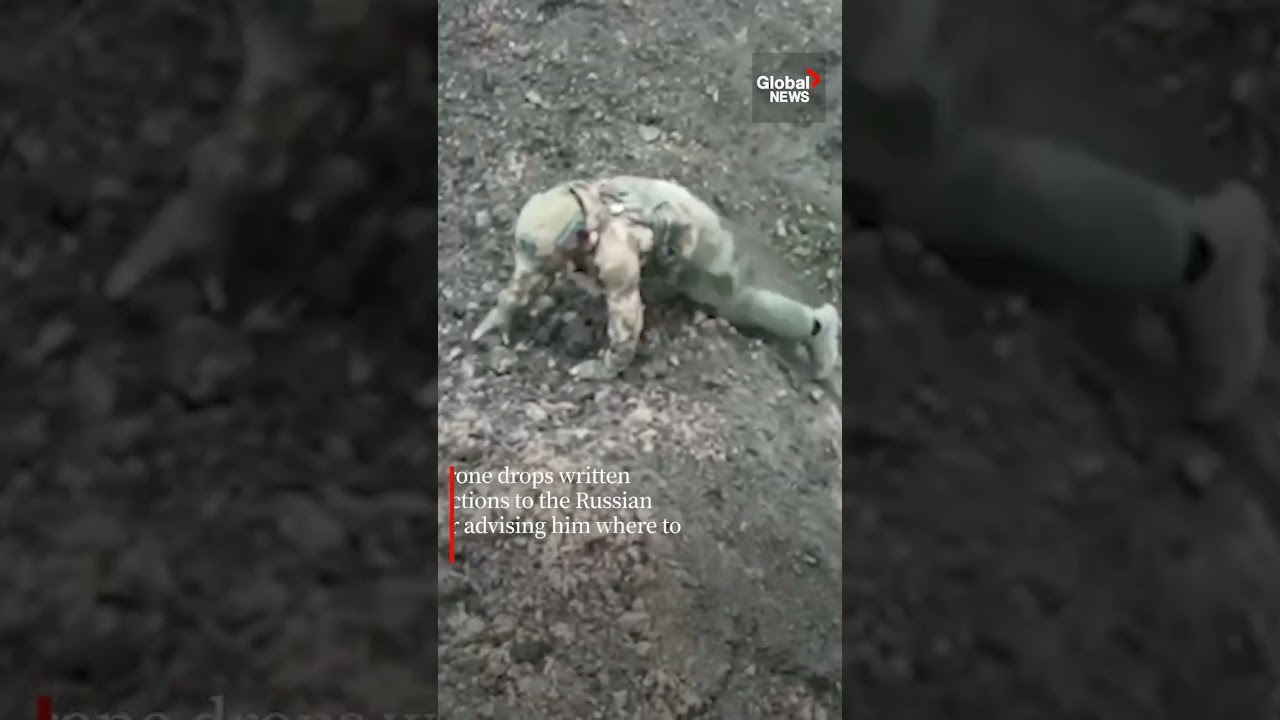
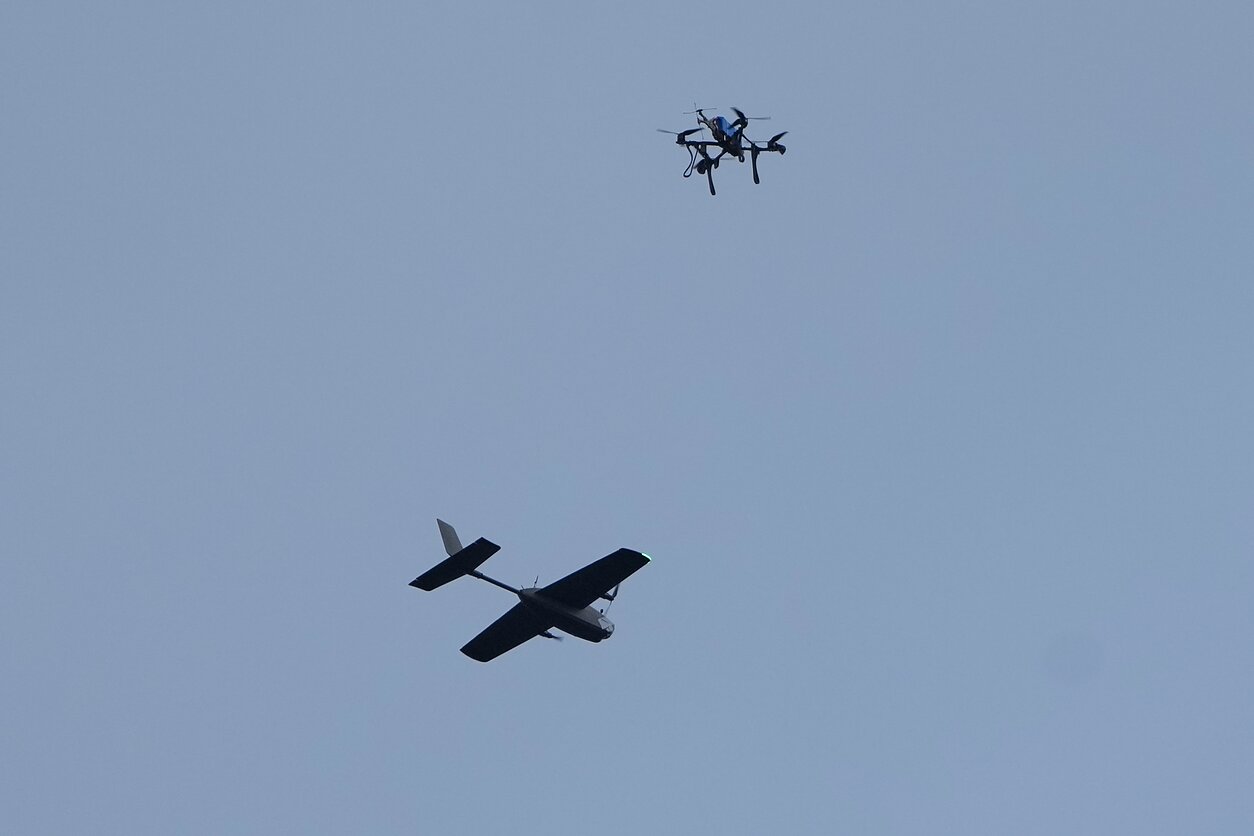
Ukrainian forces launched large-scale drone strikes against Russian energy terminals and chemical plants on Saturday, May 23, 2026, targeting critical infrastructure including the Sheshkharis oil terminal. Simultaneously, European Union foreign ministers met in Cyprus to discuss potential negotiating frameworks and the appointment of a special envoy to end the conflict.
Ukrainian Drone Strikes Target Military-Linked Industry and Energy

Industrial Shutdowns in the Russian Refining Sector
| Refinery Location | Owner | Annual Capacity | Impact Detail |
|---|---|---|---|
| Ryazan | Rosneft | 13 million tons | 5% of total Russian refining; likely offline until late June |
| Moscow | Gazprom Neft | 14 million tons | Processing suspended to minimize risk after May 17 attack |
Diplomatic Maneuvers in Cyprus Over Negotiation Frameworks
Territorial Gains and Military Attrition Rates
On the battlefield, the conflict continues to see high rates of attrition and localized shifts in control. Ukrainian President Volodymyr Zelenskyy announced that since the start of 2026, his nation’s defense forces have liberated 590 square kilometers of occupied territory. The human cost remains staggering. According to LRT, the Ukrainian General Staff reported that Russian forces lost 950 soldiers in the last 24 hours alone. Since the full-scale invasion began on February 24, 2022, through May 23, 2026, the cumulative Russian losses—including both killed and wounded—have reached approximately 1,354,810 personnel. The technical scale of the war is equally vast. Ukrainian air defenses recently neutralized 102 out of 124 Russian drones in a single night. The cumulative destruction of Russian military hardware reported by Ukrainian officials includes:- 11,949 tanks
- 24,599 armored combat vehicles
- 42,579 artillery systems
- 306,478 tactical unmanned aerial vehicle systems
- 4,632 cruise missiles

For more on this story, see Russia Shoots Down 138 Ukrainian Drones in Night Attack.