
Germany and Britain link Middle East tensions to weakened Ukraine support
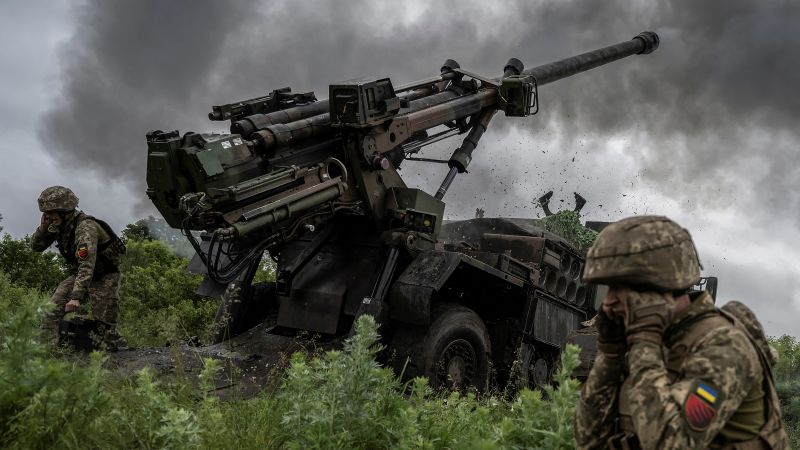
At the same Berlin meeting, German Defence Minister Boris Pistorius and his British counterpart John Healey warned that the escalating conflict in Iran and the Strait of Hormuz is diverting global attention and resources from Ukraine, directly benefiting Russia’s war effort. Pistorius noted that rising oil prices are funnelling money into Putin’s war coffers, enabling Moscow to sustain its attacks on Ukrainian cities and infrastructure. He dismissed the viability of U.S.-brokered peace talks, pointing out that Russia has never taken them seriously, and cited the Orthodox Easter ceasefire — which Ukraine’s Defence Minister Mykhailo Fedorov said was violated nearly 2,000 times — as proof of Moscow’s bad faith. Despite these distractions, both ministers pledged continued military aid: Germany will deliver hundreds of Patriot guided missiles over the next four years and fund additional deep-strike drones to be manufactured in Ukraine, while the UK committed to supplying drones and supporting joint projects funded internationally.

The Ramstein format endures as a vital coordination hub despite absences
The Ukraine Defence Contact Group, commonly known as the Ramstein format, convened in Berlin without U.S. Defence Secretary Pete Hegseth, who once again skipped the meeting — a recurring absence that has drawn quiet concern among allies about Washington’s consistency in the coalition. Nevertheless, the format continues to serve as the primary forum for aligning military aid, with Rutte using the platform to reiterate the need for predictable, equitable burden-sharing. The meeting also highlighted the deepening strategic partnership between Ukraine and key European allies, with Pistorius describing relations as having evolved from purely military support to a reliable alliance based on mutual trust, four years after Russia’s full-scale invasion.
Why is NATO emphasizing air defence and drones in its aid package?
NATO is prioritizing air defence and drones because Russia has relied heavily on Iranian-made drones and missile strikes to overwhelm Ukrainian defences, particularly targeting energy infrastructure and civilian areas, making these systems critical for Ukraine’s ability to sustain resistance and protect its population.
How does the Middle East conflict affect Russia’s war in Ukraine?
The conflict in Iran and the Strait of Hormuz has driven up global oil prices, increasing revenue for Russia’s war budget, while also diverting diplomatic and military attention from Ukraine, which Russia exploits to continue its offensive operations with less international scrutiny.
Rutte emphasized that the $60 billion in NATO military support for 2026 must be in addition to European Union loan funding, directly countering concerns that allies might double-count contributions. He specified that the funds should prioritize air defence, drones, and extended-range ammunition — areas where Ukraine has consistently reported critical shortages amid relentless Russian strikes. The pledge builds on Rutte’s earlier commitment during a visit to Kyiv to secure over $15 billion for weapons purchases under the PURL framework, which facilitates bulk procurement of U.S. arms by NATO members. Yet he also voiced frustration over the unequal distribution of the burden, warning that too few countries are carrying too much of the cost, a problem he said must be addressed before the NATO Summit in Ankara.
Germany and Britain link Middle East tensions to weakened Ukraine support
At the same Berlin meeting, German Defence Minister Boris Pistorius and his British counterpart John Healey warned that the escalating conflict in Iran and the Strait of Hormuz is diverting global attention and resources from Ukraine, directly benefiting Russia’s war effort. Pistorius noted that rising oil prices are funnelling money into Putin’s war coffers, enabling Moscow to sustain its attacks on Ukrainian cities and infrastructure. He dismissed the viability of U.S.-brokered peace talks, pointing out that Russia has never taken them seriously, and cited the Orthodox Easter ceasefire — which Ukraine’s Defence Minister Mykhailo Fedorov said was violated nearly 2,000 times — as proof of Moscow’s bad faith. Despite these distractions, both ministers pledged continued military aid: Germany will deliver hundreds of Patriot guided missiles over the next four years and fund additional deep-strike drones to be manufactured in Ukraine, while the UK committed to supplying drones and supporting joint projects funded internationally.
The Ramstein format endures as a vital coordination hub despite absences
The Ukraine Defence Contact Group, commonly known as the Ramstein format, convened in Berlin without U.S. Defence Secretary Pete Hegseth, who once again skipped the meeting — a recurring absence that has drawn quiet concern among allies about Washington’s consistency in the coalition. Nevertheless, the format continues to serve as the primary forum for aligning military aid, with Rutte using the platform to reiterate the need for predictable, equitable burden-sharing. The meeting also highlighted the deepening strategic partnership between Ukraine and key European allies, with Pistorius describing relations as having evolved from purely military support to a reliable alliance based on mutual trust, four years after Russia’s full-scale invasion.
Why is NATO emphasizing air defence and drones in its aid package?
NATO is prioritizing air defence and drones because Russia has relied heavily on Iranian-made drones and missile strikes to overwhelm Ukrainian defences, particularly targeting energy infrastructure and civilian areas, making these systems critical for Ukraine’s ability to sustain resistance and protect its population.
How does the Middle East conflict affect Russia’s war in Ukraine?
The conflict in Iran and the Strait of Hormuz has driven up global oil prices, increasing revenue for Russia’s war budget, while also diverting diplomatic and military attention from Ukraine, which Russia exploits to continue its offensive operations with less international scrutiny.
Rutte emphasized that the $60 billion in NATO military support for 2026 must be in addition to European Union loan funding, directly countering concerns that allies might double-count contributions. He specified that the funds should prioritize air defence, drones, and extended-range ammunition — areas where Ukraine has consistently reported critical shortages amid relentless Russian strikes. The pledge builds on Rutte’s earlier commitment during a visit to Kyiv to secure over $15 billion for weapons purchases under the PURL framework, which facilitates bulk procurement of U.S. arms by NATO members. Yet he also voiced frustration over the unequal distribution of the burden, warning that too few countries are carrying too much of the cost, a problem he said must be addressed before the NATO Summit in Ankara.
Germany and Britain link Middle East tensions to weakened Ukraine support
At the same Berlin meeting, German Defence Minister Boris Pistorius and his British counterpart John Healey warned that the escalating conflict in Iran and the Strait of Hormuz is diverting global attention and resources from Ukraine, directly benefiting Russia’s war effort. Pistorius noted that rising oil prices are funnelling money into Putin’s war coffers, enabling Moscow to sustain its attacks on Ukrainian cities and infrastructure. He dismissed the viability of U.S.-brokered peace talks, pointing out that Russia has never taken them seriously, and cited the Orthodox Easter ceasefire — which Ukraine’s Defence Minister Mykhailo Fedorov said was violated nearly 2,000 times — as proof of Moscow’s bad faith. Despite these distractions, both ministers pledged continued military aid: Germany will deliver hundreds of Patriot guided missiles over the next four years and fund additional deep-strike drones to be manufactured in Ukraine, while the UK committed to supplying drones and supporting joint projects funded internationally.
The Ramstein format endures as a vital coordination hub despite absences
The Ukraine Defence Contact Group, commonly known as the Ramstein format, convened in Berlin without U.S. Defence Secretary Pete Hegseth, who once again skipped the meeting — a recurring absence that has drawn quiet concern among allies about Washington’s consistency in the coalition. Nevertheless, the format continues to serve as the primary forum for aligning military aid, with Rutte using the platform to reiterate the need for predictable, equitable burden-sharing. The meeting also highlighted the deepening strategic partnership between Ukraine and key European allies, with Pistorius describing relations as having evolved from purely military support to a reliable alliance based on mutual trust, four years after Russia’s full-scale invasion.
Why is NATO emphasizing air defence and drones in its aid package?
NATO is prioritizing air defence and drones because Russia has relied heavily on Iranian-made drones and missile strikes to overwhelm Ukrainian defences, particularly targeting energy infrastructure and civilian areas, making these systems critical for Ukraine’s ability to sustain resistance and protect its population.
How does the Middle East conflict affect Russia’s war in Ukraine?
The conflict in Iran and the Strait of Hormuz has driven up global oil prices, increasing revenue for Russia’s war budget, while also diverting diplomatic and military attention from Ukraine, which Russia exploits to continue its offensive operations with less international scrutiny.
Rutte emphasized that the $60 billion in NATO military support for 2026 must be in addition to European Union loan funding, directly countering concerns that allies might double-count contributions. He specified that the funds should prioritize air defence, drones, and extended-range ammunition — areas where Ukraine has consistently reported critical shortages amid relentless Russian strikes. The pledge builds on Rutte’s earlier commitment during a visit to Kyiv to secure over $15 billion for weapons purchases under the PURL framework, which facilitates bulk procurement of U.S. arms by NATO members. Yet he also voiced frustration over the unequal distribution of the burden, warning that too few countries are carrying too much of the cost, a problem he said must be addressed before the NATO Summit in Ankara.
Germany and Britain link Middle East tensions to weakened Ukraine support
At the same Berlin meeting, German Defence Minister Boris Pistorius and his British counterpart John Healey warned that the escalating conflict in Iran and the Strait of Hormuz is diverting global attention and resources from Ukraine, directly benefiting Russia’s war effort. Pistorius noted that rising oil prices are funnelling money into Putin’s war coffers, enabling Moscow to sustain its attacks on Ukrainian cities and infrastructure. He dismissed the viability of U.S.-brokered peace talks, pointing out that Russia has never taken them seriously, and cited the Orthodox Easter ceasefire — which Ukraine’s Defence Minister Mykhailo Fedorov said was violated nearly 2,000 times — as proof of Moscow’s bad faith. Despite these distractions, both ministers pledged continued military aid: Germany will deliver hundreds of Patriot guided missiles over the next four years and fund additional deep-strike drones to be manufactured in Ukraine, while the UK committed to supplying drones and supporting joint projects funded internationally.
The Ramstein format endures as a vital coordination hub despite absences
The Ukraine Defence Contact Group, commonly known as the Ramstein format, convened in Berlin without U.S. Defence Secretary Pete Hegseth, who once again skipped the meeting — a recurring absence that has drawn quiet concern among allies about Washington’s consistency in the coalition. Nevertheless, the format continues to serve as the primary forum for aligning military aid, with Rutte using the platform to reiterate the need for predictable, equitable burden-sharing. The meeting also highlighted the deepening strategic partnership between Ukraine and key European allies, with Pistorius describing relations as having evolved from purely military support to a reliable alliance based on mutual trust, four years after Russia’s full-scale invasion.
Why is NATO emphasizing air defence and drones in its aid package?
NATO is prioritizing air defence and drones because Russia has relied heavily on Iranian-made drones and missile strikes to overwhelm Ukrainian defences, particularly targeting energy infrastructure and civilian areas, making these systems critical for Ukraine’s ability to sustain resistance and protect its population.
How does the Middle East conflict affect Russia’s war in Ukraine?
The conflict in Iran and the Strait of Hormuz has driven up global oil prices, increasing revenue for Russia’s war budget, while also diverting diplomatic and military attention from Ukraine, which Russia exploits to continue its offensive operations with less international scrutiny.
Germany and Britain link Middle East tensions to weakened Ukraine support
At the same Berlin meeting, German Defence Minister Boris Pistorius and his British counterpart John Healey warned that the escalating conflict in Iran and the Strait of Hormuz is diverting global attention and resources from Ukraine, directly benefiting Russia’s war effort. Pistorius noted that rising oil prices are funnelling money into Putin’s war coffers, enabling Moscow to sustain its attacks on Ukrainian cities and infrastructure. He dismissed the viability of U.S.-brokered peace talks, pointing out that Russia has never taken them seriously, and cited the Orthodox Easter ceasefire — which Ukraine’s Defence Minister Mykhailo Fedorov said was violated nearly 2,000 times — as proof of Moscow’s bad faith. Despite these distractions, both ministers pledged continued military aid: Germany will deliver hundreds of Patriot guided missiles over the next four years and fund additional deep-strike drones to be manufactured in Ukraine, while the UK committed to supplying drones and supporting joint projects funded internationally.
The Ramstein format endures as a vital coordination hub despite absences
The Ukraine Defence Contact Group, commonly known as the Ramstein format, convened in Berlin without U.S. Defence Secretary Pete Hegseth, who once again skipped the meeting — a recurring absence that has drawn quiet concern among allies about Washington’s consistency in the coalition. Nevertheless, the format continues to serve as the primary forum for aligning military aid, with Rutte using the platform to reiterate the need for predictable, equitable burden-sharing. The meeting also highlighted the deepening strategic partnership between Ukraine and key European allies, with Pistorius describing relations as having evolved from purely military support to a reliable alliance based on mutual trust, four years after Russia’s full-scale invasion.
Why is NATO emphasizing air defence and drones in its aid package?
NATO is prioritizing air defence and drones because Russia has relied heavily on Iranian-made drones and missile strikes to overwhelm Ukrainian defences, particularly targeting energy infrastructure and civilian areas, making these systems critical for Ukraine’s ability to sustain resistance and protect its population.
How does the Middle East conflict affect Russia’s war in Ukraine?
The conflict in Iran and the Strait of Hormuz has driven up global oil prices, increasing revenue for Russia’s war budget, while also diverting diplomatic and military attention from Ukraine, which Russia exploits to continue its offensive operations with less international scrutiny.
Rutte emphasized that the $60 billion in NATO military support for 2026 must be in addition to European Union loan funding, directly countering concerns that allies might double-count contributions. He specified that the funds should prioritize air defence, drones, and extended-range ammunition — areas where Ukraine has consistently reported critical shortages amid relentless Russian strikes. The pledge builds on Rutte’s earlier commitment during a visit to Kyiv to secure over $15 billion for weapons purchases under the PURL framework, which facilitates bulk procurement of U.S. arms by NATO members. Yet he also voiced frustration over the unequal distribution of the burden, warning that too few countries are carrying too much of the cost, a problem he said must be addressed before the NATO Summit in Ankara.
Germany and Britain link Middle East tensions to weakened Ukraine support
At the same Berlin meeting, German Defence Minister Boris Pistorius and his British counterpart John Healey warned that the escalating conflict in Iran and the Strait of Hormuz is diverting global attention and resources from Ukraine, directly benefiting Russia’s war effort. Pistorius noted that rising oil prices are funnelling money into Putin’s war coffers, enabling Moscow to sustain its attacks on Ukrainian cities and infrastructure. He dismissed the viability of U.S.-brokered peace talks, pointing out that Russia has never taken them seriously, and cited the Orthodox Easter ceasefire — which Ukraine’s Defence Minister Mykhailo Fedorov said was violated nearly 2,000 times — as proof of Moscow’s bad faith. Despite these distractions, both ministers pledged continued military aid: Germany will deliver hundreds of Patriot guided missiles over the next four years and fund additional deep-strike drones to be manufactured in Ukraine, while the UK committed to supplying drones and supporting joint projects funded internationally.
The Ramstein format endures as a vital coordination hub despite absences
The Ukraine Defence Contact Group, commonly known as the Ramstein format, convened in Berlin without U.S. Defence Secretary Pete Hegseth, who once again skipped the meeting — a recurring absence that has drawn quiet concern among allies about Washington’s consistency in the coalition. Nevertheless, the format continues to serve as the primary forum for aligning military aid, with Rutte using the platform to reiterate the need for predictable, equitable burden-sharing. The meeting also highlighted the deepening strategic partnership between Ukraine and key European allies, with Pistorius describing relations as having evolved from purely military support to a reliable alliance based on mutual trust, four years after Russia’s full-scale invasion.
Why is NATO emphasizing air defence and drones in its aid package?
NATO is prioritizing air defence and drones because Russia has relied heavily on Iranian-made drones and missile strikes to overwhelm Ukrainian defences, particularly targeting energy infrastructure and civilian areas, making these systems critical for Ukraine’s ability to sustain resistance and protect its population.
How does the Middle East conflict affect Russia’s war in Ukraine?
The conflict in Iran and the Strait of Hormuz has driven up global oil prices, increasing revenue for Russia’s war budget, while also diverting diplomatic and military attention from Ukraine, which Russia exploits to continue its offensive operations with less international scrutiny.
Rutte emphasized that the $60 billion in NATO military support for 2026 must be in addition to European Union loan funding, directly countering concerns that allies might double-count contributions. He specified that the funds should prioritize air defence, drones, and extended-range ammunition — areas where Ukraine has consistently reported critical shortages amid relentless Russian strikes. The pledge builds on Rutte’s earlier commitment during a visit to Kyiv to secure over $15 billion for weapons purchases under the PURL framework, which facilitates bulk procurement of U.S. arms by NATO members. Yet he also voiced frustration over the unequal distribution of the burden, warning that too few countries are carrying too much of the cost, a problem he said must be addressed before the NATO Summit in Ankara.
Germany and Britain link Middle East tensions to weakened Ukraine support
At the same Berlin meeting, German Defence Minister Boris Pistorius and his British counterpart John Healey warned that the escalating conflict in Iran and the Strait of Hormuz is diverting global attention and resources from Ukraine, directly benefiting Russia’s war effort. Pistorius noted that rising oil prices are funnelling money into Putin’s war coffers, enabling Moscow to sustain its attacks on Ukrainian cities and infrastructure. He dismissed the viability of U.S.-brokered peace talks, pointing out that Russia has never taken them seriously, and cited the Orthodox Easter ceasefire — which Ukraine’s Defence Minister Mykhailo Fedorov said was violated nearly 2,000 times — as proof of Moscow’s bad faith. Despite these distractions, both ministers pledged continued military aid: Germany will deliver hundreds of Patriot guided missiles over the next four years and fund additional deep-strike drones to be manufactured in Ukraine, while the UK committed to supplying drones and supporting joint projects funded internationally.
The Ramstein format endures as a vital coordination hub despite absences
The Ukraine Defence Contact Group, commonly known as the Ramstein format, convened in Berlin without U.S. Defence Secretary Pete Hegseth, who once again skipped the meeting — a recurring absence that has drawn quiet concern among allies about Washington’s consistency in the coalition. Nevertheless, the format continues to serve as the primary forum for aligning military aid, with Rutte using the platform to reiterate the need for predictable, equitable burden-sharing. The meeting also highlighted the deepening strategic partnership between Ukraine and key European allies, with Pistorius describing relations as having evolved from purely military support to a reliable alliance based on mutual trust, four years after Russia’s full-scale invasion.
Why is NATO emphasizing air defence and drones in its aid package?
NATO is prioritizing air defence and drones because Russia has relied heavily on Iranian-made drones and missile strikes to overwhelm Ukrainian defences, particularly targeting energy infrastructure and civilian areas, making these systems critical for Ukraine’s ability to sustain resistance and protect its population.
How does the Middle East conflict affect Russia’s war in Ukraine?
The conflict in Iran and the Strait of Hormuz has driven up global oil prices, increasing revenue for Russia’s war budget, while also diverting diplomatic and military attention from Ukraine, which Russia exploits to continue its offensive operations with less international scrutiny.
Rutte emphasized that the $60 billion in NATO military support for 2026 must be in addition to European Union loan funding, directly countering concerns that allies might double-count contributions. He specified that the funds should prioritize air defence, drones, and extended-range ammunition — areas where Ukraine has consistently reported critical shortages amid relentless Russian strikes. The pledge builds on Rutte’s earlier commitment during a visit to Kyiv to secure over $15 billion for weapons purchases under the PURL framework, which facilitates bulk procurement of U.S. arms by NATO members. Yet he also voiced frustration over the unequal distribution of the burden, warning that too few countries are carrying too much of the cost, a problem he said must be addressed before the NATO Summit in Ankara.
Germany and Britain link Middle East tensions to weakened Ukraine support
At the same Berlin meeting, German Defence Minister Boris Pistorius and his British counterpart John Healey warned that the escalating conflict in Iran and the Strait of Hormuz is diverting global attention and resources from Ukraine, directly benefiting Russia’s war effort. Pistorius noted that rising oil prices are funnelling money into Putin’s war coffers, enabling Moscow to sustain its attacks on Ukrainian cities and infrastructure. He dismissed the viability of U.S.-brokered peace talks, pointing out that Russia has never taken them seriously, and cited the Orthodox Easter ceasefire — which Ukraine’s Defence Minister Mykhailo Fedorov said was violated nearly 2,000 times — as proof of Moscow’s bad faith. Despite these distractions, both ministers pledged continued military aid: Germany will deliver hundreds of Patriot guided missiles over the next four years and fund additional deep-strike drones to be manufactured in Ukraine, while the UK committed to supplying drones and supporting joint projects funded internationally.
The Ramstein format endures as a vital coordination hub despite absences
The Ukraine Defence Contact Group, commonly known as the Ramstein format, convened in Berlin without U.S. Defence Secretary Pete Hegseth, who once again skipped the meeting — a recurring absence that has drawn quiet concern among allies about Washington’s consistency in the coalition. Nevertheless, the format continues to serve as the primary forum for aligning military aid, with Rutte using the platform to reiterate the need for predictable, equitable burden-sharing. The meeting also highlighted the deepening strategic partnership between Ukraine and key European allies, with Pistorius describing relations as having evolved from purely military support to a reliable alliance based on mutual trust, four years after Russia’s full-scale invasion.
Why is NATO emphasizing air defence and drones in its aid package?
NATO is prioritizing air defence and drones because Russia has relied heavily on Iranian-made drones and missile strikes to overwhelm Ukrainian defences, particularly targeting energy infrastructure and civilian areas, making these systems critical for Ukraine’s ability to sustain resistance and protect its population.
How does the Middle East conflict affect Russia’s war in Ukraine?
The conflict in Iran and the Strait of Hormuz has driven up global oil prices, increasing revenue for Russia’s war budget, while also diverting diplomatic and military attention from Ukraine, which Russia exploits to continue its offensive operations with less international scrutiny.
Germany and Britain link Middle East tensions to weakened Ukraine support
At the same Berlin meeting, German Defence Minister Boris Pistorius and his British counterpart John Healey warned that the escalating conflict in Iran and the Strait of Hormuz is diverting global attention and resources from Ukraine, directly benefiting Russia’s war effort. Pistorius noted that rising oil prices are funnelling money into Putin’s war coffers, enabling Moscow to sustain its attacks on Ukrainian cities and infrastructure. He dismissed the viability of U.S.-brokered peace talks, pointing out that Russia has never taken them seriously, and cited the Orthodox Easter ceasefire — which Ukraine’s Defence Minister Mykhailo Fedorov said was violated nearly 2,000 times — as proof of Moscow’s bad faith. Despite these distractions, both ministers pledged continued military aid: Germany will deliver hundreds of Patriot guided missiles over the next four years and fund additional deep-strike drones to be manufactured in Ukraine, while the UK committed to supplying drones and supporting joint projects funded internationally.
The Ramstein format endures as a vital coordination hub despite absences
The Ukraine Defence Contact Group, commonly known as the Ramstein format, convened in Berlin without U.S. Defence Secretary Pete Hegseth, who once again skipped the meeting — a recurring absence that has drawn quiet concern among allies about Washington’s consistency in the coalition. Nevertheless, the format continues to serve as the primary forum for aligning military aid, with Rutte using the platform to reiterate the need for predictable, equitable burden-sharing. The meeting also highlighted the deepening strategic partnership between Ukraine and key European allies, with Pistorius describing relations as having evolved from purely military support to a reliable alliance based on mutual trust, four years after Russia’s full-scale invasion.
Why is NATO emphasizing air defence and drones in its aid package?
NATO is prioritizing air defence and drones because Russia has relied heavily on Iranian-made drones and missile strikes to overwhelm Ukrainian defences, particularly targeting energy infrastructure and civilian areas, making these systems critical for Ukraine’s ability to sustain resistance and protect its population.
How does the Middle East conflict affect Russia’s war in Ukraine?
The conflict in Iran and the Strait of Hormuz has driven up global oil prices, increasing revenue for Russia’s war budget, while also diverting diplomatic and military attention from Ukraine, which Russia exploits to continue its offensive operations with less international scrutiny.
Rutte emphasized that the $60 billion in NATO military support for 2026 must be in addition to European Union loan funding, directly countering concerns that allies might double-count contributions. He specified that the funds should prioritize air defence, drones, and extended-range ammunition — areas where Ukraine has consistently reported critical shortages amid relentless Russian strikes. The pledge builds on Rutte’s earlier commitment during a visit to Kyiv to secure over $15 billion for weapons purchases under the PURL framework, which facilitates bulk procurement of U.S. arms by NATO members. Yet he also voiced frustration over the unequal distribution of the burden, warning that too few countries are carrying too much of the cost, a problem he said must be addressed before the NATO Summit in Ankara.
Germany and Britain link Middle East tensions to weakened Ukraine support
At the same Berlin meeting, German Defence Minister Boris Pistorius and his British counterpart John Healey warned that the escalating conflict in Iran and the Strait of Hormuz is diverting global attention and resources from Ukraine, directly benefiting Russia’s war effort. Pistorius noted that rising oil prices are funnelling money into Putin’s war coffers, enabling Moscow to sustain its attacks on Ukrainian cities and infrastructure. He dismissed the viability of U.S.-brokered peace talks, pointing out that Russia has never taken them seriously, and cited the Orthodox Easter ceasefire — which Ukraine’s Defence Minister Mykhailo Fedorov said was violated nearly 2,000 times — as proof of Moscow’s bad faith. Despite these distractions, both ministers pledged continued military aid: Germany will deliver hundreds of Patriot guided missiles over the next four years and fund additional deep-strike drones to be manufactured in Ukraine, while the UK committed to supplying drones and supporting joint projects funded internationally.
The Ramstein format endures as a vital coordination hub despite absences
The Ukraine Defence Contact Group, commonly known as the Ramstein format, convened in Berlin without U.S. Defence Secretary Pete Hegseth, who once again skipped the meeting — a recurring absence that has drawn quiet concern among allies about Washington’s consistency in the coalition. Nevertheless, the format continues to serve as the primary forum for aligning military aid, with Rutte using the platform to reiterate the need for predictable, equitable burden-sharing. The meeting also highlighted the deepening strategic partnership between Ukraine and key European allies, with Pistorius describing relations as having evolved from purely military support to a reliable alliance based on mutual trust, four years after Russia’s full-scale invasion.
Why is NATO emphasizing air defence and drones in its aid package?
NATO is prioritizing air defence and drones because Russia has relied heavily on Iranian-made drones and missile strikes to overwhelm Ukrainian defences, particularly targeting energy infrastructure and civilian areas, making these systems critical for Ukraine’s ability to sustain resistance and protect its population.
How does the Middle East conflict affect Russia’s war in Ukraine?
The conflict in Iran and the Strait of Hormuz has driven up global oil prices, increasing revenue for Russia’s war budget, while also diverting diplomatic and military attention from Ukraine, which Russia exploits to continue its offensive operations with less international scrutiny.
Rutte emphasized that the $60 billion in NATO military support for 2026 must be in addition to European Union loan funding, directly countering concerns that allies might double-count contributions. He specified that the funds should prioritize air defence, drones, and extended-range ammunition — areas where Ukraine has consistently reported critical shortages amid relentless Russian strikes. The pledge builds on Rutte’s earlier commitment during a visit to Kyiv to secure over $15 billion for weapons purchases under the PURL framework, which facilitates bulk procurement of U.S. arms by NATO members. Yet he also voiced frustration over the unequal distribution of the burden, warning that too few countries are carrying too much of the cost, a problem he said must be addressed before the NATO Summit in Ankara.
Germany and Britain link Middle East tensions to weakened Ukraine support
At the same Berlin meeting, German Defence Minister Boris Pistorius and his British counterpart John Healey warned that the escalating conflict in Iran and the Strait of Hormuz is diverting global attention and resources from Ukraine, directly benefiting Russia’s war effort. Pistorius noted that rising oil prices are funnelling money into Putin’s war coffers, enabling Moscow to sustain its attacks on Ukrainian cities and infrastructure. He dismissed the viability of U.S.-brokered peace talks, pointing out that Russia has never taken them seriously, and cited the Orthodox Easter ceasefire — which Ukraine’s Defence Minister Mykhailo Fedorov said was violated nearly 2,000 times — as proof of Moscow’s bad faith. Despite these distractions, both ministers pledged continued military aid: Germany will deliver hundreds of Patriot guided missiles over the next four years and fund additional deep-strike drones to be manufactured in Ukraine, while the UK committed to supplying drones and supporting joint projects funded internationally.
The Ramstein format endures as a vital coordination hub despite absences
The Ukraine Defence Contact Group, commonly known as the Ramstein format, convened in Berlin without U.S. Defence Secretary Pete Hegseth, who once again skipped the meeting — a recurring absence that has drawn quiet concern among allies about Washington’s consistency in the coalition. Nevertheless, the format continues to serve as the primary forum for aligning military aid, with Rutte using the platform to reiterate the need for predictable, equitable burden-sharing. The meeting also highlighted the deepening strategic partnership between Ukraine and key European allies, with Pistorius describing relations as having evolved from purely military support to a reliable alliance based on mutual trust, four years after Russia’s full-scale invasion.
Why is NATO emphasizing air defence and drones in its aid package?
NATO is prioritizing air defence and drones because Russia has relied heavily on Iranian-made drones and missile strikes to overwhelm Ukrainian defences, particularly targeting energy infrastructure and civilian areas, making these systems critical for Ukraine’s ability to sustain resistance and protect its population.
How does the Middle East conflict affect Russia’s war in Ukraine?
The conflict in Iran and the Strait of Hormuz has driven up global oil prices, increasing revenue for Russia’s war budget, while also diverting diplomatic and military attention from Ukraine, which Russia exploits to continue its offensive operations with less international scrutiny.
Rutte emphasized that the $60 billion in NATO military support for 2026 must be in addition to European Union loan funding, directly countering concerns that allies might double-count contributions. He specified that the funds should prioritize air defence, drones, and extended-range ammunition — areas where Ukraine has consistently reported critical shortages amid relentless Russian strikes. The pledge builds on Rutte’s earlier commitment during a visit to Kyiv to secure over $15 billion for weapons purchases under the PURL framework, which facilitates bulk procurement of U.S. arms by NATO members. Yet he also voiced frustration over the unequal distribution of the burden, warning that too few countries are carrying too much of the cost, a problem he said must be addressed before the NATO Summit in Ankara.
Germany and Britain link Middle East tensions to weakened Ukraine support
At the same Berlin meeting, German Defence Minister Boris Pistorius and his British counterpart John Healey warned that the escalating conflict in Iran and the Strait of Hormuz is diverting global attention and resources from Ukraine, directly benefiting Russia’s war effort. Pistorius noted that rising oil prices are funnelling money into Putin’s war coffers, enabling Moscow to sustain its attacks on Ukrainian cities and infrastructure. He dismissed the viability of U.S.-brokered peace talks, pointing out that Russia has never taken them seriously, and cited the Orthodox Easter ceasefire — which Ukraine’s Defence Minister Mykhailo Fedorov said was violated nearly 2,000 times — as proof of Moscow’s bad faith. Despite these distractions, both ministers pledged continued military aid: Germany will deliver hundreds of Patriot guided missiles over the next four years and fund additional deep-strike drones to be manufactured in Ukraine, while the UK committed to supplying drones and supporting joint projects funded internationally.
The Ramstein format endures as a vital coordination hub despite absences
The Ukraine Defence Contact Group, commonly known as the Ramstein format, convened in Berlin without U.S. Defence Secretary Pete Hegseth, who once again skipped the meeting — a recurring absence that has drawn quiet concern among allies about Washington’s consistency in the coalition. Nevertheless, the format continues to serve as the primary forum for aligning military aid, with Rutte using the platform to reiterate the need for predictable, equitable burden-sharing. The meeting also highlighted the deepening strategic partnership between Ukraine and key European allies, with Pistorius describing relations as having evolved from purely military support to a reliable alliance based on mutual trust, four years after Russia’s full-scale invasion.
Why is NATO emphasizing air defence and drones in its aid package?
NATO is prioritizing air defence and drones because Russia has relied heavily on Iranian-made drones and missile strikes to overwhelm Ukrainian defences, particularly targeting energy infrastructure and civilian areas, making these systems critical for Ukraine’s ability to sustain resistance and protect its population.
How does the Middle East conflict affect Russia’s war in Ukraine?
The conflict in Iran and the Strait of Hormuz has driven up global oil prices, increasing revenue for Russia’s war budget, while also diverting diplomatic and military attention from Ukraine, which Russia exploits to continue its offensive operations with less international scrutiny.
Germany and Britain link Middle East tensions to weakened Ukraine support
At the same Berlin meeting, German Defence Minister Boris Pistorius and his British counterpart John Healey warned that the escalating conflict in Iran and the Strait of Hormuz is diverting global attention and resources from Ukraine, directly benefiting Russia’s war effort. Pistorius noted that rising oil prices are funnelling money into Putin’s war coffers, enabling Moscow to sustain its attacks on Ukrainian cities and infrastructure. He dismissed the viability of U.S.-brokered peace talks, pointing out that Russia has never taken them seriously, and cited the Orthodox Easter ceasefire — which Ukraine’s Defence Minister Mykhailo Fedorov said was violated nearly 2,000 times — as proof of Moscow’s bad faith. Despite these distractions, both ministers pledged continued military aid: Germany will deliver hundreds of Patriot guided missiles over the next four years and fund additional deep-strike drones to be manufactured in Ukraine, while the UK committed to supplying drones and supporting joint projects funded internationally.
The Ramstein format endures as a vital coordination hub despite absences
The Ukraine Defence Contact Group, commonly known as the Ramstein format, convened in Berlin without U.S. Defence Secretary Pete Hegseth, who once again skipped the meeting — a recurring absence that has drawn quiet concern among allies about Washington’s consistency in the coalition. Nevertheless, the format continues to serve as the primary forum for aligning military aid, with Rutte using the platform to reiterate the need for predictable, equitable burden-sharing. The meeting also highlighted the deepening strategic partnership between Ukraine and key European allies, with Pistorius describing relations as having evolved from purely military support to a reliable alliance based on mutual trust, four years after Russia’s full-scale invasion.
Why is NATO emphasizing air defence and drones in its aid package?
NATO is prioritizing air defence and drones because Russia has relied heavily on Iranian-made drones and missile strikes to overwhelm Ukrainian defences, particularly targeting energy infrastructure and civilian areas, making these systems critical for Ukraine’s ability to sustain resistance and protect its population.
How does the Middle East conflict affect Russia’s war in Ukraine?
The conflict in Iran and the Strait of Hormuz has driven up global oil prices, increasing revenue for Russia’s war budget, while also diverting diplomatic and military attention from Ukraine, which Russia exploits to continue its offensive operations with less international scrutiny.
Rutte emphasized that the $60 billion in NATO military support for 2026 must be in addition to European Union loan funding, directly countering concerns that allies might double-count contributions. He specified that the funds should prioritize air defence, drones, and extended-range ammunition — areas where Ukraine has consistently reported critical shortages amid relentless Russian strikes. The pledge builds on Rutte’s earlier commitment during a visit to Kyiv to secure over $15 billion for weapons purchases under the PURL framework, which facilitates bulk procurement of U.S. arms by NATO members. Yet he also voiced frustration over the unequal distribution of the burden, warning that too few countries are carrying too much of the cost, a problem he said must be addressed before the NATO Summit in Ankara.
Germany and Britain link Middle East tensions to weakened Ukraine support
At the same Berlin meeting, German Defence Minister Boris Pistorius and his British counterpart John Healey warned that the escalating conflict in Iran and the Strait of Hormuz is diverting global attention and resources from Ukraine, directly benefiting Russia’s war effort. Pistorius noted that rising oil prices are funnelling money into Putin’s war coffers, enabling Moscow to sustain its attacks on Ukrainian cities and infrastructure. He dismissed the viability of U.S.-brokered peace talks, pointing out that Russia has never taken them seriously, and cited the Orthodox Easter ceasefire — which Ukraine’s Defence Minister Mykhailo Fedorov said was violated nearly 2,000 times — as proof of Moscow’s bad faith. Despite these distractions, both ministers pledged continued military aid: Germany will deliver hundreds of Patriot guided missiles over the next four years and fund additional deep-strike drones to be manufactured in Ukraine, while the UK committed to supplying drones and supporting joint projects funded internationally.
The Ramstein format endures as a vital coordination hub despite absences
The Ukraine Defence Contact Group, commonly known as the Ramstein format, convened in Berlin without U.S. Defence Secretary Pete Hegseth, who once again skipped the meeting — a recurring absence that has drawn quiet concern among allies about Washington’s consistency in the coalition. Nevertheless, the format continues to serve as the primary forum for aligning military aid, with Rutte using the platform to reiterate the need for predictable, equitable burden-sharing. The meeting also highlighted the deepening strategic partnership between Ukraine and key European allies, with Pistorius describing relations as having evolved from purely military support to a reliable alliance based on mutual trust, four years after Russia’s full-scale invasion.
Why is NATO emphasizing air defence and drones in its aid package?
NATO is prioritizing air defence and drones because Russia has relied heavily on Iranian-made drones and missile strikes to overwhelm Ukrainian defences, particularly targeting energy infrastructure and civilian areas, making these systems critical for Ukraine’s ability to sustain resistance and protect its population.
How does the Middle East conflict affect Russia’s war in Ukraine?
The conflict in Iran and the Strait of Hormuz has driven up global oil prices, increasing revenue for Russia’s war budget, while also diverting diplomatic and military attention from Ukraine, which Russia exploits to continue its offensive operations with less international scrutiny.
Rutte emphasized that the $60 billion in NATO military support for 2026 must be in addition to European Union loan funding, directly countering concerns that allies might double-count contributions. He specified that the funds should prioritize air defence, drones, and extended-range ammunition — areas where Ukraine has consistently reported critical shortages amid relentless Russian strikes. The pledge builds on Rutte’s earlier commitment during a visit to Kyiv to secure over $15 billion for weapons purchases under the PURL framework, which facilitates bulk procurement of U.S. arms by NATO members. Yet he also voiced frustration over the unequal distribution of the burden, warning that too few countries are carrying too much of the cost, a problem he said must be addressed before the NATO Summit in Ankara.
Germany and Britain link Middle East tensions to weakened Ukraine support
At the same Berlin meeting, German Defence Minister Boris Pistorius and his British counterpart John Healey warned that the escalating conflict in Iran and the Strait of Hormuz is diverting global attention and resources from Ukraine, directly benefiting Russia’s war effort. Pistorius noted that rising oil prices are funnelling money into Putin’s war coffers, enabling Moscow to sustain its attacks on Ukrainian cities and infrastructure. He dismissed the viability of U.S.-brokered peace talks, pointing out that Russia has never taken them seriously, and cited the Orthodox Easter ceasefire — which Ukraine’s Defence Minister Mykhailo Fedorov said was violated nearly 2,000 times — as proof of Moscow’s bad faith. Despite these distractions, both ministers pledged continued military aid: Germany will deliver hundreds of Patriot guided missiles over the next four years and fund additional deep-strike drones to be manufactured in Ukraine, while the UK committed to supplying drones and supporting joint projects funded internationally.
The Ramstein format endures as a vital coordination hub despite absences
The Ukraine Defence Contact Group, commonly known as the Ramstein format, convened in Berlin without U.S. Defence Secretary Pete Hegseth, who once again skipped the meeting — a recurring absence that has drawn quiet concern among allies about Washington’s consistency in the coalition. Nevertheless, the format continues to serve as the primary forum for aligning military aid, with Rutte using the platform to reiterate the need for predictable, equitable burden-sharing. The meeting also highlighted the deepening strategic partnership between Ukraine and key European allies, with Pistorius describing relations as having evolved from purely military support to a reliable alliance based on mutual trust, four years after Russia’s full-scale invasion.
Why is NATO emphasizing air defence and drones in its aid package?
NATO is prioritizing air defence and drones because Russia has relied heavily on Iranian-made drones and missile strikes to overwhelm Ukrainian defences, particularly targeting energy infrastructure and civilian areas, making these systems critical for Ukraine’s ability to sustain resistance and protect its population.
How does the Middle East conflict affect Russia’s war in Ukraine?
The conflict in Iran and the Strait of Hormuz has driven up global oil prices, increasing revenue for Russia’s war budget, while also diverting diplomatic and military attention from Ukraine, which Russia exploits to continue its offensive operations with less international scrutiny.
Rutte emphasized that the $60 billion in NATO military support for 2026 must be in addition to European Union loan funding, directly countering concerns that allies might double-count contributions. He specified that the funds should prioritize air defence, drones, and extended-range ammunition — areas where Ukraine has consistently reported critical shortages amid relentless Russian strikes. The pledge builds on Rutte’s earlier commitment during a visit to Kyiv to secure over $15 billion for weapons purchases under the PURL framework, which facilitates bulk procurement of U.S. arms by NATO members. Yet he also voiced frustration over the unequal distribution of the burden, warning that too few countries are carrying too much of the cost, a problem he said must be addressed before the NATO Summit in Ankara.
Germany and Britain link Middle East tensions to weakened Ukraine support
At the same Berlin meeting, German Defence Minister Boris Pistorius and his British counterpart John Healey warned that the escalating conflict in Iran and the Strait of Hormuz is diverting global attention and resources from Ukraine, directly benefiting Russia’s war effort. Pistorius noted that rising oil prices are funnelling money into Putin’s war coffers, enabling Moscow to sustain its attacks on Ukrainian cities and infrastructure. He dismissed the viability of U.S.-brokered peace talks, pointing out that Russia has never taken them seriously, and cited the Orthodox Easter ceasefire — which Ukraine’s Defence Minister Mykhailo Fedorov said was violated nearly 2,000 times — as proof of Moscow’s bad faith. Despite these distractions, both ministers pledged continued military aid: Germany will deliver hundreds of Patriot guided missiles over the next four years and fund additional deep-strike drones to be manufactured in Ukraine, while the UK committed to supplying drones and supporting joint projects funded internationally.
The Ramstein format endures as a vital coordination hub despite absences
The Ukraine Defence Contact Group, commonly known as the Ramstein format, convened in Berlin without U.S. Defence Secretary Pete Hegseth, who once again skipped the meeting — a recurring absence that has drawn quiet concern among allies about Washington’s consistency in the coalition. Nevertheless, the format continues to serve as the primary forum for aligning military aid, with Rutte using the platform to reiterate the need for predictable, equitable burden-sharing. The meeting also highlighted the deepening strategic partnership between Ukraine and key European allies, with Pistorius describing relations as having evolved from purely military support to a reliable alliance based on mutual trust, four years after Russia’s full-scale invasion.
Why is NATO emphasizing air defence and drones in its aid package?
NATO is prioritizing air defence and drones because Russia has relied heavily on Iranian-made drones and missile strikes to overwhelm Ukrainian defences, particularly targeting energy infrastructure and civilian areas, making these systems critical for Ukraine’s ability to sustain resistance and protect its population.
How does the Middle East conflict affect Russia’s war in Ukraine?
The conflict in Iran and the Strait of Hormuz has driven up global oil prices, increasing revenue for Russia’s war budget, while also diverting diplomatic and military attention from Ukraine, which Russia exploits to continue its offensive operations with less international scrutiny.
Germany and Britain link Middle East tensions to weakened Ukraine support
At the same Berlin meeting, German Defence Minister Boris Pistorius and his British counterpart John Healey warned that the escalating conflict in Iran and the Strait of Hormuz is diverting global attention and resources from Ukraine, directly benefiting Russia’s war effort. Pistorius noted that rising oil prices are funnelling money into Putin’s war coffers, enabling Moscow to sustain its attacks on Ukrainian cities and infrastructure. He dismissed the viability of U.S.-brokered peace talks, pointing out that Russia has never taken them seriously, and cited the Orthodox Easter ceasefire — which Ukraine’s Defence Minister Mykhailo Fedorov said was violated nearly 2,000 times — as proof of Moscow’s bad faith. Despite these distractions, both ministers pledged continued military aid: Germany will deliver hundreds of Patriot guided missiles over the next four years and fund additional deep-strike drones to be manufactured in Ukraine, while the UK committed to supplying drones and supporting joint projects funded internationally.
The Ramstein format endures as a vital coordination hub despite absences
The Ukraine Defence Contact Group, commonly known as the Ramstein format, convened in Berlin without U.S. Defence Secretary Pete Hegseth, who once again skipped the meeting — a recurring absence that has drawn quiet concern among allies about Washington’s consistency in the coalition. Nevertheless, the format continues to serve as the primary forum for aligning military aid, with Rutte using the platform to reiterate the need for predictable, equitable burden-sharing. The meeting also highlighted the deepening strategic partnership between Ukraine and key European allies, with Pistorius describing relations as having evolved from purely military support to a reliable alliance based on mutual trust, four years after Russia’s full-scale invasion.
Why is NATO emphasizing air defence and drones in its aid package?
NATO is prioritizing air defence and drones because Russia has relied heavily on Iranian-made drones and missile strikes to overwhelm Ukrainian defences, particularly targeting energy infrastructure and civilian areas, making these systems critical for Ukraine’s ability to sustain resistance and protect its population.
How does the Middle East conflict affect Russia’s war in Ukraine?
The conflict in Iran and the Strait of Hormuz has driven up global oil prices, increasing revenue for Russia’s war budget, while also diverting diplomatic and military attention from Ukraine, which Russia exploits to continue its offensive operations with less international scrutiny.
Rutte emphasized that the $60 billion in NATO military support for 2026 must be in addition to European Union loan funding, directly countering concerns that allies might double-count contributions. He specified that the funds should prioritize air defence, drones, and extended-range ammunition — areas where Ukraine has consistently reported critical shortages amid relentless Russian strikes. The pledge builds on Rutte’s earlier commitment during a visit to Kyiv to secure over $15 billion for weapons purchases under the PURL framework, which facilitates bulk procurement of U.S. arms by NATO members. Yet he also voiced frustration over the unequal distribution of the burden, warning that too few countries are carrying too much of the cost, a problem he said must be addressed before the NATO Summit in Ankara.
Germany and Britain link Middle East tensions to weakened Ukraine support
At the same Berlin meeting, German Defence Minister Boris Pistorius and his British counterpart John Healey warned that the escalating conflict in Iran and the Strait of Hormuz is diverting global attention and resources from Ukraine, directly benefiting Russia’s war effort. Pistorius noted that rising oil prices are funnelling money into Putin’s war coffers, enabling Moscow to sustain its attacks on Ukrainian cities and infrastructure. He dismissed the viability of U.S.-brokered peace talks, pointing out that Russia has never taken them seriously, and cited the Orthodox Easter ceasefire — which Ukraine’s Defence Minister Mykhailo Fedorov said was violated nearly 2,000 times — as proof of Moscow’s bad faith. Despite these distractions, both ministers pledged continued military aid: Germany will deliver hundreds of Patriot guided missiles over the next four years and fund additional deep-strike drones to be manufactured in Ukraine, while the UK committed to supplying drones and supporting joint projects funded internationally.
The Ramstein format endures as a vital coordination hub despite absences
The Ukraine Defence Contact Group, commonly known as the Ramstein format, convened in Berlin without U.S. Defence Secretary Pete Hegseth, who once again skipped the meeting — a recurring absence that has drawn quiet concern among allies about Washington’s consistency in the coalition. Nevertheless, the format continues to serve as the primary forum for aligning military aid, with Rutte using the platform to reiterate the need for predictable, equitable burden-sharing. The meeting also highlighted the deepening strategic partnership between Ukraine and key European allies, with Pistorius describing relations as having evolved from purely military support to a reliable alliance based on mutual trust, four years after Russia’s full-scale invasion.
Why is NATO emphasizing air defence and drones in its aid package?
NATO is prioritizing air defence and drones because Russia has relied heavily on Iranian-made drones and missile strikes to overwhelm Ukrainian defences, particularly targeting energy infrastructure and civilian areas, making these systems critical for Ukraine’s ability to sustain resistance and protect its population.
How does the Middle East conflict affect Russia’s war in Ukraine?
The conflict in Iran and the Strait of Hormuz has driven up global oil prices, increasing revenue for Russia’s war budget, while also diverting diplomatic and military attention from Ukraine, which Russia exploits to continue its offensive operations with less international scrutiny.
Rutte emphasized that the $60 billion in NATO military support for 2026 must be in addition to European Union loan funding, directly countering concerns that allies might double-count contributions. He specified that the funds should prioritize air defence, drones, and extended-range ammunition — areas where Ukraine has consistently reported critical shortages amid relentless Russian strikes. The pledge builds on Rutte’s earlier commitment during a visit to Kyiv to secure over $15 billion for weapons purchases under the PURL framework, which facilitates bulk procurement of U.S. arms by NATO members. Yet he also voiced frustration over the unequal distribution of the burden, warning that too few countries are carrying too much of the cost, a problem he said must be addressed before the NATO Summit in Ankara.
Germany and Britain link Middle East tensions to weakened Ukraine support
At the same Berlin meeting, German Defence Minister Boris Pistorius and his British counterpart John Healey warned that the escalating conflict in Iran and the Strait of Hormuz is diverting global attention and resources from Ukraine, directly benefiting Russia’s war effort. Pistorius noted that rising oil prices are funnelling money into Putin’s war coffers, enabling Moscow to sustain its attacks on Ukrainian cities and infrastructure. He dismissed the viability of U.S.-brokered peace talks, pointing out that Russia has never taken them seriously, and cited the Orthodox Easter ceasefire — which Ukraine’s Defence Minister Mykhailo Fedorov said was violated nearly 2,000 times — as proof of Moscow’s bad faith. Despite these distractions, both ministers pledged continued military aid: Germany will deliver hundreds of Patriot guided missiles over the next four years and fund additional deep-strike drones to be manufactured in Ukraine, while the UK committed to supplying drones and supporting joint projects funded internationally.
The Ramstein format endures as a vital coordination hub despite absences
The Ukraine Defence Contact Group, commonly known as the Ramstein format, convened in Berlin without U.S. Defence Secretary Pete Hegseth, who once again skipped the meeting — a recurring absence that has drawn quiet concern among allies about Washington’s consistency in the coalition. Nevertheless, the format continues to serve as the primary forum for aligning military aid, with Rutte using the platform to reiterate the need for predictable, equitable burden-sharing. The meeting also highlighted the deepening strategic partnership between Ukraine and key European allies, with Pistorius describing relations as having evolved from purely military support to a reliable alliance based on mutual trust, four years after Russia’s full-scale invasion.
Why is NATO emphasizing air defence and drones in its aid package?
NATO is prioritizing air defence and drones because Russia has relied heavily on Iranian-made drones and missile strikes to overwhelm Ukrainian defences, particularly targeting energy infrastructure and civilian areas, making these systems critical for Ukraine’s ability to sustain resistance and protect its population.
How does the Middle East conflict affect Russia’s war in Ukraine?
The conflict in Iran and the Strait of Hormuz has driven up global oil prices, increasing revenue for Russia’s war budget, while also diverting diplomatic and military attention from Ukraine, which Russia exploits to continue its offensive operations with less international scrutiny.
Rutte emphasized that the $60 billion in NATO military support for 2026 must be in addition to European Union loan funding, directly countering concerns that allies might double-count contributions. He specified that the funds should prioritize air defence, drones, and extended-range ammunition — areas where Ukraine has consistently reported critical shortages amid relentless Russian strikes. The pledge builds on Rutte’s earlier commitment during a visit to Kyiv to secure over $15 billion for weapons purchases under the PURL framework, which facilitates bulk procurement of U.S. arms by NATO members. Yet he also voiced frustration over the unequal distribution of the burden, warning that too few countries are carrying too much of the cost, a problem he said must be addressed before the NATO Summit in Ankara.
Germany and Britain link Middle East tensions to weakened Ukraine support
At the same Berlin meeting, German Defence Minister Boris Pistorius and his British counterpart John Healey warned that the escalating conflict in Iran and the Strait of Hormuz is diverting global attention and resources from Ukraine, directly benefiting Russia’s war effort. Pistorius noted that rising oil prices are funnelling money into Putin’s war coffers, enabling Moscow to sustain its attacks on Ukrainian cities and infrastructure. He dismissed the viability of U.S.-brokered peace talks, pointing out that Russia has never taken them seriously, and cited the Orthodox Easter ceasefire — which Ukraine’s Defence Minister Mykhailo Fedorov said was violated nearly 2,000 times — as proof of Moscow’s bad faith. Despite these distractions, both ministers pledged continued military aid: Germany will deliver hundreds of Patriot guided missiles over the next four years and fund additional deep-strike drones to be manufactured in Ukraine, while the UK committed to supplying drones and supporting joint projects funded internationally.
The Ramstein format endures as a vital coordination hub despite absences
The Ukraine Defence Contact Group, commonly known as the Ramstein format, convened in Berlin without U.S. Defence Secretary Pete Hegseth, who once again skipped the meeting — a recurring absence that has drawn quiet concern among allies about Washington’s consistency in the coalition. Nevertheless, the format continues to serve as the primary forum for aligning military aid, with Rutte using the platform to reiterate the need for predictable, equitable burden-sharing. The meeting also highlighted the deepening strategic partnership between Ukraine and key European allies, with Pistorius describing relations as having evolved from purely military support to a reliable alliance based on mutual trust, four years after Russia’s full-scale invasion.
Why is NATO emphasizing air defence and drones in its aid package?
NATO is prioritizing air defence and drones because Russia has relied heavily on Iranian-made drones and missile strikes to overwhelm Ukrainian defences, particularly targeting energy infrastructure and civilian areas, making these systems critical for Ukraine’s ability to sustain resistance and protect its population.
How does the Middle East conflict affect Russia’s war in Ukraine?
The conflict in Iran and the Strait of Hormuz has driven up global oil prices, increasing revenue for Russia’s war budget, while also diverting diplomatic and military attention from Ukraine, which Russia exploits to continue its offensive operations with less international scrutiny.
At the Ukraine Defence Contact Group meeting in Berlin on April 15, NATO Secretary General Mark Rutte stood before allies and pledged $60 billion in military aid for Ukraine in 2026, a figure that dwarfs previous commitments and underscores the alliance’s resolve to sustain Kyiv’s war effort despite growing distractions.
The $60 billion pledge reflects both urgency and frustration over burden-sharing
Rutte emphasized that the $60 billion in NATO military support for 2026 must be in addition to European Union loan funding, directly countering concerns that allies might double-count contributions. He specified that the funds should prioritize air defence, drones, and extended-range ammunition — areas where Ukraine has consistently reported critical shortages amid relentless Russian strikes. The pledge builds on Rutte’s earlier commitment during a visit to Kyiv to secure over $15 billion for weapons purchases under the PURL framework, which facilitates bulk procurement of U.S. arms by NATO members. Yet he also voiced frustration over the unequal distribution of the burden, warning that too few countries are carrying too much of the cost, a problem he said must be addressed before the NATO Summit in Ankara.
Germany and Britain link Middle East tensions to weakened Ukraine support
At the same Berlin meeting, German Defence Minister Boris Pistorius and his British counterpart John Healey warned that the escalating conflict in Iran and the Strait of Hormuz is diverting global attention and resources from Ukraine, directly benefiting Russia’s war effort. Pistorius noted that rising oil prices are funnelling money into Putin’s war coffers, enabling Moscow to sustain its attacks on Ukrainian cities and infrastructure. He dismissed the viability of U.S.-brokered peace talks, pointing out that Russia has never taken them seriously, and cited the Orthodox Easter ceasefire — which Ukraine’s Defence Minister Mykhailo Fedorov said was violated nearly 2,000 times — as proof of Moscow’s bad faith. Despite these distractions, both ministers pledged continued military aid: Germany will deliver hundreds of Patriot guided missiles over the next four years and fund additional deep-strike drones to be manufactured in Ukraine, while the UK committed to supplying drones and supporting joint projects funded internationally.
The Ramstein format endures as a vital coordination hub despite absences
The Ukraine Defence Contact Group, commonly known as the Ramstein format, convened in Berlin without U.S. Defence Secretary Pete Hegseth, who once again skipped the meeting — a recurring absence that has drawn quiet concern among allies about Washington’s consistency in the coalition. Nevertheless, the format continues to serve as the primary forum for aligning military aid, with Rutte using the platform to reiterate the need for predictable, equitable burden-sharing. The meeting also highlighted the deepening strategic partnership between Ukraine and key European allies, with Pistorius describing relations as having evolved from purely military support to a reliable alliance based on mutual trust, four years after Russia’s full-scale invasion.
Why is NATO emphasizing air defence and drones in its aid package?
NATO is prioritizing air defence and drones because Russia has relied heavily on Iranian-made drones and missile strikes to overwhelm Ukrainian defences, particularly targeting energy infrastructure and civilian areas, making these systems critical for Ukraine’s ability to sustain resistance and protect its population.
How does the Middle East conflict affect Russia’s war in Ukraine?
The conflict in Iran and the Strait of Hormuz has driven up global oil prices, increasing revenue for Russia’s war budget, while also diverting diplomatic and military attention from Ukraine, which Russia exploits to continue its offensive operations with less international scrutiny.
Germany and Britain link Middle East tensions to weakened Ukraine support
At the same Berlin meeting, German Defence Minister Boris Pistorius and his British counterpart John Healey warned that the escalating conflict in Iran and the Strait of Hormuz is diverting global attention and resources from Ukraine, directly benefiting Russia’s war effort. Pistorius noted that rising oil prices are funnelling money into Putin’s war coffers, enabling Moscow to sustain its attacks on Ukrainian cities and infrastructure. He dismissed the viability of U.S.-brokered peace talks, pointing out that Russia has never taken them seriously, and cited the Orthodox Easter ceasefire — which Ukraine’s Defence Minister Mykhailo Fedorov said was violated nearly 2,000 times — as proof of Moscow’s bad faith. Despite these distractions, both ministers pledged continued military aid: Germany will deliver hundreds of Patriot guided missiles over the next four years and fund additional deep-strike drones to be manufactured in Ukraine, while the UK committed to supplying drones and supporting joint projects funded internationally.
The Ramstein format endures as a vital coordination hub despite absences
The Ukraine Defence Contact Group, commonly known as the Ramstein format, convened in Berlin without U.S. Defence Secretary Pete Hegseth, who once again skipped the meeting — a recurring absence that has drawn quiet concern among allies about Washington’s consistency in the coalition. Nevertheless, the format continues to serve as the primary forum for aligning military aid, with Rutte using the platform to reiterate the need for predictable, equitable burden-sharing. The meeting also highlighted the deepening strategic partnership between Ukraine and key European allies, with Pistorius describing relations as having evolved from purely military support to a reliable alliance based on mutual trust, four years after Russia’s full-scale invasion.
Why is NATO emphasizing air defence and drones in its aid package?
NATO is prioritizing air defence and drones because Russia has relied heavily on Iranian-made drones and missile strikes to overwhelm Ukrainian defences, particularly targeting energy infrastructure and civilian areas, making these systems critical for Ukraine’s ability to sustain resistance and protect its population.
How does the Middle East conflict affect Russia’s war in Ukraine?
The conflict in Iran and the Strait of Hormuz has driven up global oil prices, increasing revenue for Russia’s war budget, while also diverting diplomatic and military attention from Ukraine, which Russia exploits to continue its offensive operations with less international scrutiny.
Rutte emphasized that the $60 billion in NATO military support for 2026 must be in addition to European Union loan funding, directly countering concerns that allies might double-count contributions. He specified that the funds should prioritize air defence, drones, and extended-range ammunition — areas where Ukraine has consistently reported critical shortages amid relentless Russian strikes. The pledge builds on Rutte’s earlier commitment during a visit to Kyiv to secure over $15 billion for weapons purchases under the PURL framework, which facilitates bulk procurement of U.S. arms by NATO members. Yet he also voiced frustration over the unequal distribution of the burden, warning that too few countries are carrying too much of the cost, a problem he said must be addressed before the NATO Summit in Ankara.
Germany and Britain link Middle East tensions to weakened Ukraine support
At the same Berlin meeting, German Defence Minister Boris Pistorius and his British counterpart John Healey warned that the escalating conflict in Iran and the Strait of Hormuz is diverting global attention and resources from Ukraine, directly benefiting Russia’s war effort. Pistorius noted that rising oil prices are funnelling money into Putin’s war coffers, enabling Moscow to sustain its attacks on Ukrainian cities and infrastructure. He dismissed the viability of U.S.-brokered peace talks, pointing out that Russia has never taken them seriously, and cited the Orthodox Easter ceasefire — which Ukraine’s Defence Minister Mykhailo Fedorov said was violated nearly 2,000 times — as proof of Moscow’s bad faith. Despite these distractions, both ministers pledged continued military aid: Germany will deliver hundreds of Patriot guided missiles over the next four years and fund additional deep-strike drones to be manufactured in Ukraine, while the UK committed to supplying drones and supporting joint projects funded internationally.
The Ramstein format endures as a vital coordination hub despite absences
The Ukraine Defence Contact Group, commonly known as the Ramstein format, convened in Berlin without U.S. Defence Secretary Pete Hegseth, who once again skipped the meeting — a recurring absence that has drawn quiet concern among allies about Washington’s consistency in the coalition. Nevertheless, the format continues to serve as the primary forum for aligning military aid, with Rutte using the platform to reiterate the need for predictable, equitable burden-sharing. The meeting also highlighted the deepening strategic partnership between Ukraine and key European allies, with Pistorius describing relations as having evolved from purely military support to a reliable alliance based on mutual trust, four years after Russia’s full-scale invasion.
Why is NATO emphasizing air defence and drones in its aid package?
NATO is prioritizing air defence and drones because Russia has relied heavily on Iranian-made drones and missile strikes to overwhelm Ukrainian defences, particularly targeting energy infrastructure and civilian areas, making these systems critical for Ukraine’s ability to sustain resistance and protect its population.
How does the Middle East conflict affect Russia’s war in Ukraine?
The conflict in Iran and the Strait of Hormuz has driven up global oil prices, increasing revenue for Russia’s war budget, while also diverting diplomatic and military attention from Ukraine, which Russia exploits to continue its offensive operations with less international scrutiny.
Rutte emphasized that the $60 billion in NATO military support for 2026 must be in addition to European Union loan funding, directly countering concerns that allies might double-count contributions. He specified that the funds should prioritize air defence, drones, and extended-range ammunition — areas where Ukraine has consistently reported critical shortages amid relentless Russian strikes. The pledge builds on Rutte’s earlier commitment during a visit to Kyiv to secure over $15 billion for weapons purchases under the PURL framework, which facilitates bulk procurement of U.S. arms by NATO members. Yet he also voiced frustration over the unequal distribution of the burden, warning that too few countries are carrying too much of the cost, a problem he said must be addressed before the NATO Summit in Ankara.
Germany and Britain link Middle East tensions to weakened Ukraine support
At the same Berlin meeting, German Defence Minister Boris Pistorius and his British counterpart John Healey warned that the escalating conflict in Iran and the Strait of Hormuz is diverting global attention and resources from Ukraine, directly benefiting Russia’s war effort. Pistorius noted that rising oil prices are funnelling money into Putin’s war coffers, enabling Moscow to sustain its attacks on Ukrainian cities and infrastructure. He dismissed the viability of U.S.-brokered peace talks, pointing out that Russia has never taken them seriously, and cited the Orthodox Easter ceasefire — which Ukraine’s Defence Minister Mykhailo Fedorov said was violated nearly 2,000 times — as proof of Moscow’s bad faith. Despite these distractions, both ministers pledged continued military aid: Germany will deliver hundreds of Patriot guided missiles over the next four years and fund additional deep-strike drones to be manufactured in Ukraine, while the UK committed to supplying drones and supporting joint projects funded internationally.
The Ramstein format endures as a vital coordination hub despite absences
The Ukraine Defence Contact Group, commonly known as the Ramstein format, convened in Berlin without U.S. Defence Secretary Pete Hegseth, who once again skipped the meeting — a recurring absence that has drawn quiet concern among allies about Washington’s consistency in the coalition. Nevertheless, the format continues to serve as the primary forum for aligning military aid, with Rutte using the platform to reiterate the need for predictable, equitable burden-sharing. The meeting also highlighted the deepening strategic partnership between Ukraine and key European allies, with Pistorius describing relations as having evolved from purely military support to a reliable alliance based on mutual trust, four years after Russia’s full-scale invasion.
Why is NATO emphasizing air defence and drones in its aid package?
NATO is prioritizing air defence and drones because Russia has relied heavily on Iranian-made drones and missile strikes to overwhelm Ukrainian defences, particularly targeting energy infrastructure and civilian areas, making these systems critical for Ukraine’s ability to sustain resistance and protect its population.
How does the Middle East conflict affect Russia’s war in Ukraine?
The conflict in Iran and the Strait of Hormuz has driven up global oil prices, increasing revenue for Russia’s war budget, while also diverting diplomatic and military attention from Ukraine, which Russia exploits to continue its offensive operations with less international scrutiny.
Rutte emphasized that the $60 billion in NATO military support for 2026 must be in addition to European Union loan funding, directly countering concerns that allies might double-count contributions. He specified that the funds should prioritize air defence, drones, and extended-range ammunition — areas where Ukraine has consistently reported critical shortages amid relentless Russian strikes. The pledge builds on Rutte’s earlier commitment during a visit to Kyiv to secure over $15 billion for weapons purchases under the PURL framework, which facilitates bulk procurement of U.S. arms by NATO members. Yet he also voiced frustration over the unequal distribution of the burden, warning that too few countries are carrying too much of the cost, a problem he said must be addressed before the NATO Summit in Ankara.
Germany and Britain link Middle East tensions to weakened Ukraine support
At the same Berlin meeting, German Defence Minister Boris Pistorius and his British counterpart John Healey warned that the escalating conflict in Iran and the Strait of Hormuz is diverting global attention and resources from Ukraine, directly benefiting Russia’s war effort. Pistorius noted that rising oil prices are funnelling money into Putin’s war coffers, enabling Moscow to sustain its attacks on Ukrainian cities and infrastructure. He dismissed the viability of U.S.-brokered peace talks, pointing out that Russia has never taken them seriously, and cited the Orthodox Easter ceasefire — which Ukraine’s Defence Minister Mykhailo Fedorov said was violated nearly 2,000 times — as proof of Moscow’s bad faith. Despite these distractions, both ministers pledged continued military aid: Germany will deliver hundreds of Patriot guided missiles over the next four years and fund additional deep-strike drones to be manufactured in Ukraine, while the UK committed to supplying drones and supporting joint projects funded internationally.
The Ramstein format endures as a vital coordination hub despite absences
The Ukraine Defence Contact Group, commonly known as the Ramstein format, convened in Berlin without U.S. Defence Secretary Pete Hegseth, who once again skipped the meeting — a recurring absence that has drawn quiet concern among allies about Washington’s consistency in the coalition. Nevertheless, the format continues to serve as the primary forum for aligning military aid, with Rutte using the platform to reiterate the need for predictable, equitable burden-sharing. The meeting also highlighted the deepening strategic partnership between Ukraine and key European allies, with Pistorius describing relations as having evolved from purely military support to a reliable alliance based on mutual trust, four years after Russia’s full-scale invasion.
Why is NATO emphasizing air defence and drones in its aid package?
NATO is prioritizing air defence and drones because Russia has relied heavily on Iranian-made drones and missile strikes to overwhelm Ukrainian defences, particularly targeting energy infrastructure and civilian areas, making these systems critical for Ukraine’s ability to sustain resistance and protect its population.
How does the Middle East conflict affect Russia’s war in Ukraine?
The conflict in Iran and the Strait of Hormuz has driven up global oil prices, increasing revenue for Russia’s war budget, while also diverting diplomatic and military attention from Ukraine, which Russia exploits to continue its offensive operations with less international scrutiny.
Germany and Britain link Middle East tensions to weakened Ukraine support
At the same Berlin meeting, German Defence Minister Boris Pistorius and his British counterpart John Healey warned that the escalating conflict in Iran and the Strait of Hormuz is diverting global attention and resources from Ukraine, directly benefiting Russia’s war effort. Pistorius noted that rising oil prices are funnelling money into Putin’s war coffers, enabling Moscow to sustain its attacks on Ukrainian cities and infrastructure. He dismissed the viability of U.S.-brokered peace talks, pointing out that Russia has never taken them seriously, and cited the Orthodox Easter ceasefire — which Ukraine’s Defence Minister Mykhailo Fedorov said was violated nearly 2,000 times — as proof of Moscow’s bad faith. Despite these distractions, both ministers pledged continued military aid: Germany will deliver hundreds of Patriot guided missiles over the next four years and fund additional deep-strike drones to be manufactured in Ukraine, while the UK committed to supplying drones and supporting joint projects funded internationally.
The Ramstein format endures as a vital coordination hub despite absences
The Ukraine Defence Contact Group, commonly known as the Ramstein format, convened in Berlin without U.S. Defence Secretary Pete Hegseth, who once again skipped the meeting — a recurring absence that has drawn quiet concern among allies about Washington’s consistency in the coalition. Nevertheless, the format continues to serve as the primary forum for aligning military aid, with Rutte using the platform to reiterate the need for predictable, equitable burden-sharing. The meeting also highlighted the deepening strategic partnership between Ukraine and key European allies, with Pistorius describing relations as having evolved from purely military support to a reliable alliance based on mutual trust, four years after Russia’s full-scale invasion.
Why is NATO emphasizing air defence and drones in its aid package?
NATO is prioritizing air defence and drones because Russia has relied heavily on Iranian-made drones and missile strikes to overwhelm Ukrainian defences, particularly targeting energy infrastructure and civilian areas, making these systems critical for Ukraine’s ability to sustain resistance and protect its population.
How does the Middle East conflict affect Russia’s war in Ukraine?
The conflict in Iran and the Strait of Hormuz has driven up global oil prices, increasing revenue for Russia’s war budget, while also diverting diplomatic and military attention from Ukraine, which Russia exploits to continue its offensive operations with less international scrutiny.
Rutte emphasized that the $60 billion in NATO military support for 2026 must be in addition to European Union loan funding, directly countering concerns that allies might double-count contributions. He specified that the funds should prioritize air defence, drones, and extended-range ammunition — areas where Ukraine has consistently reported critical shortages amid relentless Russian strikes. The pledge builds on Rutte’s earlier commitment during a visit to Kyiv to secure over $15 billion for weapons purchases under the PURL framework, which facilitates bulk procurement of U.S. arms by NATO members. Yet he also voiced frustration over the unequal distribution of the burden, warning that too few countries are carrying too much of the cost, a problem he said must be addressed before the NATO Summit in Ankara.
Germany and Britain link Middle East tensions to weakened Ukraine support
At the same Berlin meeting, German Defence Minister Boris Pistorius and his British counterpart John Healey warned that the escalating conflict in Iran and the Strait of Hormuz is diverting global attention and resources from Ukraine, directly benefiting Russia’s war effort. Pistorius noted that rising oil prices are funnelling money into Putin’s war coffers, enabling Moscow to sustain its attacks on Ukrainian cities and infrastructure. He dismissed the viability of U.S.-brokered peace talks, pointing out that Russia has never taken them seriously, and cited the Orthodox Easter ceasefire — which Ukraine’s Defence Minister Mykhailo Fedorov said was violated nearly 2,000 times — as proof of Moscow’s bad faith. Despite these distractions, both ministers pledged continued military aid: Germany will deliver hundreds of Patriot guided missiles over the next four years and fund additional deep-strike drones to be manufactured in Ukraine, while the UK committed to supplying drones and supporting joint projects funded internationally.
The Ramstein format endures as a vital coordination hub despite absences
The Ukraine Defence Contact Group, commonly known as the Ramstein format, convened in Berlin without U.S. Defence Secretary Pete Hegseth, who once again skipped the meeting — a recurring absence that has drawn quiet concern among allies about Washington’s consistency in the coalition. Nevertheless, the format continues to serve as the primary forum for aligning military aid, with Rutte using the platform to reiterate the need for predictable, equitable burden-sharing. The meeting also highlighted the deepening strategic partnership between Ukraine and key European allies, with Pistorius describing relations as having evolved from purely military support to a reliable alliance based on mutual trust, four years after Russia’s full-scale invasion.
Why is NATO emphasizing air defence and drones in its aid package?
NATO is prioritizing air defence and drones because Russia has relied heavily on Iranian-made drones and missile strikes to overwhelm Ukrainian defences, particularly targeting energy infrastructure and civilian areas, making these systems critical for Ukraine’s ability to sustain resistance and protect its population.
How does the Middle East conflict affect Russia’s war in Ukraine?
The conflict in Iran and the Strait of Hormuz has driven up global oil prices, increasing revenue for Russia’s war budget, while also diverting diplomatic and military attention from Ukraine, which Russia exploits to continue its offensive operations with less international scrutiny.
Rutte emphasized that the $60 billion in NATO military support for 2026 must be in addition to European Union loan funding, directly countering concerns that allies might double-count contributions. He specified that the funds should prioritize air defence, drones, and extended-range ammunition — areas where Ukraine has consistently reported critical shortages amid relentless Russian strikes. The pledge builds on Rutte’s earlier commitment during a visit to Kyiv to secure over $15 billion for weapons purchases under the PURL framework, which facilitates bulk procurement of U.S. arms by NATO members. Yet he also voiced frustration over the unequal distribution of the burden, warning that too few countries are carrying too much of the cost, a problem he said must be addressed before the NATO Summit in Ankara.
Germany and Britain link Middle East tensions to weakened Ukraine support
At the same Berlin meeting, German Defence Minister Boris Pistorius and his British counterpart John Healey warned that the escalating conflict in Iran and the Strait of Hormuz is diverting global attention and resources from Ukraine, directly benefiting Russia’s war effort. Pistorius noted that rising oil prices are funnelling money into Putin’s war coffers, enabling Moscow to sustain its attacks on Ukrainian cities and infrastructure. He dismissed the viability of U.S.-brokered peace talks, pointing out that Russia has never taken them seriously, and cited the Orthodox Easter ceasefire — which Ukraine’s Defence Minister Mykhailo Fedorov said was violated nearly 2,000 times — as proof of Moscow’s bad faith. Despite these distractions, both ministers pledged continued military aid: Germany will deliver hundreds of Patriot guided missiles over the next four years and fund additional deep-strike drones to be manufactured in Ukraine, while the UK committed to supplying drones and supporting joint projects funded internationally.
The Ramstein format endures as a vital coordination hub despite absences
The Ukraine Defence Contact Group, commonly known as the Ramstein format, convened in Berlin without U.S. Defence Secretary Pete Hegseth, who once again skipped the meeting — a recurring absence that has drawn quiet concern among allies about Washington’s consistency in the coalition. Nevertheless, the format continues to serve as the primary forum for aligning military aid, with Rutte using the platform to reiterate the need for predictable, equitable burden-sharing. The meeting also highlighted the deepening strategic partnership between Ukraine and key European allies, with Pistorius describing relations as having evolved from purely military support to a reliable alliance based on mutual trust, four years after Russia’s full-scale invasion.
Why is NATO emphasizing air defence and drones in its aid package?
NATO is prioritizing air defence and drones because Russia has relied heavily on Iranian-made drones and missile strikes to overwhelm Ukrainian defences, particularly targeting energy infrastructure and civilian areas, making these systems critical for Ukraine’s ability to sustain resistance and protect its population.
How does the Middle East conflict affect Russia’s war in Ukraine?
The conflict in Iran and the Strait of Hormuz has driven up global oil prices, increasing revenue for Russia’s war budget, while also diverting diplomatic and military attention from Ukraine, which Russia exploits to continue its offensive operations with less international scrutiny.
Rutte emphasized that the $60 billion in NATO military support for 2026 must be in addition to European Union loan funding, directly countering concerns that allies might double-count contributions. He specified that the funds should prioritize air defence, drones, and extended-range ammunition — areas where Ukraine has consistently reported critical shortages amid relentless Russian strikes. The pledge builds on Rutte’s earlier commitment during a visit to Kyiv to secure over $15 billion for weapons purchases under the PURL framework, which facilitates bulk procurement of U.S. arms by NATO members. Yet he also voiced frustration over the unequal distribution of the burden, warning that too few countries are carrying too much of the cost, a problem he said must be addressed before the NATO Summit in Ankara.
Germany and Britain link Middle East tensions to weakened Ukraine support
At the same Berlin meeting, German Defence Minister Boris Pistorius and his British counterpart John Healey warned that the escalating conflict in Iran and the Strait of Hormuz is diverting global attention and resources from Ukraine, directly benefiting Russia’s war effort. Pistorius noted that rising oil prices are funnelling money into Putin’s war coffers, enabling Moscow to sustain its attacks on Ukrainian cities and infrastructure. He dismissed the viability of U.S.-brokered peace talks, pointing out that Russia has never taken them seriously, and cited the Orthodox Easter ceasefire — which Ukraine’s Defence Minister Mykhailo Fedorov said was violated nearly 2,000 times — as proof of Moscow’s bad faith. Despite these distractions, both ministers pledged continued military aid: Germany will deliver hundreds of Patriot guided missiles over the next four years and fund additional deep-strike drones to be manufactured in Ukraine, while the UK committed to supplying drones and supporting joint projects funded internationally.
The Ramstein format endures as a vital coordination hub despite absences
The Ukraine Defence Contact Group, commonly known as the Ramstein format, convened in Berlin without U.S. Defence Secretary Pete Hegseth, who once again skipped the meeting — a recurring absence that has drawn quiet concern among allies about Washington’s consistency in the coalition. Nevertheless, the format continues to serve as the primary forum for aligning military aid, with Rutte using the platform to reiterate the need for predictable, equitable burden-sharing. The meeting also highlighted the deepening strategic partnership between Ukraine and key European allies, with Pistorius describing relations as having evolved from purely military support to a reliable alliance based on mutual trust, four years after Russia’s full-scale invasion.
Why is NATO emphasizing air defence and drones in its aid package?
NATO is prioritizing air defence and drones because Russia has relied heavily on Iranian-made drones and missile strikes to overwhelm Ukrainian defences, particularly targeting energy infrastructure and civilian areas, making these systems critical for Ukraine’s ability to sustain resistance and protect its population.
How does the Middle East conflict affect Russia’s war in Ukraine?
The conflict in Iran and the Strait of Hormuz has driven up global oil prices, increasing revenue for Russia’s war budget, while also diverting diplomatic and military attention from Ukraine, which Russia exploits to continue its offensive operations with less international scrutiny.
At the Ukraine Defence Contact Group meeting in Berlin on April 15, NATO Secretary General Mark Rutte stood before allies and pledged $60 billion in military aid for Ukraine in 2026, a figure that dwarfs previous commitments and underscores the alliance’s resolve to sustain Kyiv’s war effort despite growing distractions.
The $60 billion pledge reflects both urgency and frustration over burden-sharing
Rutte emphasized that the $60 billion in NATO military support for 2026 must be in addition to European Union loan funding, directly countering concerns that allies might double-count contributions. He specified that the funds should prioritize air defence, drones, and extended-range ammunition — areas where Ukraine has consistently reported critical shortages amid relentless Russian strikes. The pledge builds on Rutte’s earlier commitment during a visit to Kyiv to secure over $15 billion for weapons purchases under the PURL framework, which facilitates bulk procurement of U.S. arms by NATO members. Yet he also voiced frustration over the unequal distribution of the burden, warning that too few countries are carrying too much of the cost, a problem he said must be addressed before the NATO Summit in Ankara.
Germany and Britain link Middle East tensions to weakened Ukraine support
At the same Berlin meeting, German Defence Minister Boris Pistorius and his British counterpart John Healey warned that the escalating conflict in Iran and the Strait of Hormuz is diverting global attention and resources from Ukraine, directly benefiting Russia’s war effort. Pistorius noted that rising oil prices are funnelling money into Putin’s war coffers, enabling Moscow to sustain its attacks on Ukrainian cities and infrastructure. He dismissed the viability of U.S.-brokered peace talks, pointing out that Russia has never taken them seriously, and cited the Orthodox Easter ceasefire — which Ukraine’s Defence Minister Mykhailo Fedorov said was violated nearly 2,000 times — as proof of Moscow’s bad faith. Despite these distractions, both ministers pledged continued military aid: Germany will deliver hundreds of Patriot guided missiles over the next four years and fund additional deep-strike drones to be manufactured in Ukraine, while the UK committed to supplying drones and supporting joint projects funded internationally.
The Ramstein format endures as a vital coordination hub despite absences
The Ukraine Defence Contact Group, commonly known as the Ramstein format, convened in Berlin without U.S. Defence Secretary Pete Hegseth, who once again skipped the meeting — a recurring absence that has drawn quiet concern among allies about Washington’s consistency in the coalition. Nevertheless, the format continues to serve as the primary forum for aligning military aid, with Rutte using the platform to reiterate the need for predictable, equitable burden-sharing. The meeting also highlighted the deepening strategic partnership between Ukraine and key European allies, with Pistorius describing relations as having evolved from purely military support to a reliable alliance based on mutual trust, four years after Russia’s full-scale invasion.
Why is NATO emphasizing air defence and drones in its aid package?
NATO is prioritizing air defence and drones because Russia has relied heavily on Iranian-made drones and missile strikes to overwhelm Ukrainian defences, particularly targeting energy infrastructure and civilian areas, making these systems critical for Ukraine’s ability to sustain resistance and protect its population.
How does the Middle East conflict affect Russia’s war in Ukraine?
The conflict in Iran and the Strait of Hormuz has driven up global oil prices, increasing revenue for Russia’s war budget, while also diverting diplomatic and military attention from Ukraine, which Russia exploits to continue its offensive operations with less international scrutiny.
Germany and Britain link Middle East tensions to weakened Ukraine support
At the same Berlin meeting, German Defence Minister Boris Pistorius and his British counterpart John Healey warned that the escalating conflict in Iran and the Strait of Hormuz is diverting global attention and resources from Ukraine, directly benefiting Russia’s war effort. Pistorius noted that rising oil prices are funnelling money into Putin’s war coffers, enabling Moscow to sustain its attacks on Ukrainian cities and infrastructure. He dismissed the viability of U.S.-brokered peace talks, pointing out that Russia has never taken them seriously, and cited the Orthodox Easter ceasefire — which Ukraine’s Defence Minister Mykhailo Fedorov said was violated nearly 2,000 times — as proof of Moscow’s bad faith. Despite these distractions, both ministers pledged continued military aid: Germany will deliver hundreds of Patriot guided missiles over the next four years and fund additional deep-strike drones to be manufactured in Ukraine, while the UK committed to supplying drones and supporting joint projects funded internationally.
The Ramstein format endures as a vital coordination hub despite absences
The Ukraine Defence Contact Group, commonly known as the Ramstein format, convened in Berlin without U.S. Defence Secretary Pete Hegseth, who once again skipped the meeting — a recurring absence that has drawn quiet concern among allies about Washington’s consistency in the coalition. Nevertheless, the format continues to serve as the primary forum for aligning military aid, with Rutte using the platform to reiterate the need for predictable, equitable burden-sharing. The meeting also highlighted the deepening strategic partnership between Ukraine and key European allies, with Pistorius describing relations as having evolved from purely military support to a reliable alliance based on mutual trust, four years after Russia’s full-scale invasion.
Why is NATO emphasizing air defence and drones in its aid package?
NATO is prioritizing air defence and drones because Russia has relied heavily on Iranian-made drones and missile strikes to overwhelm Ukrainian defences, particularly targeting energy infrastructure and civilian areas, making these systems critical for Ukraine’s ability to sustain resistance and protect its population.
How does the Middle East conflict affect Russia’s war in Ukraine?
The conflict in Iran and the Strait of Hormuz has driven up global oil prices, increasing revenue for Russia’s war budget, while also diverting diplomatic and military attention from Ukraine, which Russia exploits to continue its offensive operations with less international scrutiny.
Rutte emphasized that the $60 billion in NATO military support for 2026 must be in addition to European Union loan funding, directly countering concerns that allies might double-count contributions. He specified that the funds should prioritize air defence, drones, and extended-range ammunition — areas where Ukraine has consistently reported critical shortages amid relentless Russian strikes. The pledge builds on Rutte’s earlier commitment during a visit to Kyiv to secure over $15 billion for weapons purchases under the PURL framework, which facilitates bulk procurement of U.S. arms by NATO members. Yet he also voiced frustration over the unequal distribution of the burden, warning that too few countries are carrying too much of the cost, a problem he said must be addressed before the NATO Summit in Ankara.
Germany and Britain link Middle East tensions to weakened Ukraine support
At the same Berlin meeting, German Defence Minister Boris Pistorius and his British counterpart John Healey warned that the escalating conflict in Iran and the Strait of Hormuz is diverting global attention and resources from Ukraine, directly benefiting Russia’s war effort. Pistorius noted that rising oil prices are funnelling money into Putin’s war coffers, enabling Moscow to sustain its attacks on Ukrainian cities and infrastructure. He dismissed the viability of U.S.-brokered peace talks, pointing out that Russia has never taken them seriously, and cited the Orthodox Easter ceasefire — which Ukraine’s Defence Minister Mykhailo Fedorov said was violated nearly 2,000 times — as proof of Moscow’s bad faith. Despite these distractions, both ministers pledged continued military aid: Germany will deliver hundreds of Patriot guided missiles over the next four years and fund additional deep-strike drones to be manufactured in Ukraine, while the UK committed to supplying drones and supporting joint projects funded internationally.
The Ramstein format endures as a vital coordination hub despite absences
The Ukraine Defence Contact Group, commonly known as the Ramstein format, convened in Berlin without U.S. Defence Secretary Pete Hegseth, who once again skipped the meeting — a recurring absence that has drawn quiet concern among allies about Washington’s consistency in the coalition. Nevertheless, the format continues to serve as the primary forum for aligning military aid, with Rutte using the platform to reiterate the need for predictable, equitable burden-sharing. The meeting also highlighted the deepening strategic partnership between Ukraine and key European allies, with Pistorius describing relations as having evolved from purely military support to a reliable alliance based on mutual trust, four years after Russia’s full-scale invasion.
Why is NATO emphasizing air defence and drones in its aid package?
NATO is prioritizing air defence and drones because Russia has relied heavily on Iranian-made drones and missile strikes to overwhelm Ukrainian defences, particularly targeting energy infrastructure and civilian areas, making these systems critical for Ukraine’s ability to sustain resistance and protect its population.
How does the Middle East conflict affect Russia’s war in Ukraine?
The conflict in Iran and the Strait of Hormuz has driven up global oil prices, increasing revenue for Russia’s war budget, while also diverting diplomatic and military attention from Ukraine, which Russia exploits to continue its offensive operations with less international scrutiny.
Rutte emphasized that the $60 billion in NATO military support for 2026 must be in addition to European Union loan funding, directly countering concerns that allies might double-count contributions. He specified that the funds should prioritize air defence, drones, and extended-range ammunition — areas where Ukraine has consistently reported critical shortages amid relentless Russian strikes. The pledge builds on Rutte’s earlier commitment during a visit to Kyiv to secure over $15 billion for weapons purchases under the PURL framework, which facilitates bulk procurement of U.S. arms by NATO members. Yet he also voiced frustration over the unequal distribution of the burden, warning that too few countries are carrying too much of the cost, a problem he said must be addressed before the NATO Summit in Ankara.
Germany and Britain link Middle East tensions to weakened Ukraine support
At the same Berlin meeting, German Defence Minister Boris Pistorius and his British counterpart John Healey warned that the escalating conflict in Iran and the Strait of Hormuz is diverting global attention and resources from Ukraine, directly benefiting Russia’s war effort. Pistorius noted that rising oil prices are funnelling money into Putin’s war coffers, enabling Moscow to sustain its attacks on Ukrainian cities and infrastructure. He dismissed the viability of U.S.-brokered peace talks, pointing out that Russia has never taken them seriously, and cited the Orthodox Easter ceasefire — which Ukraine’s Defence Minister Mykhailo Fedorov said was violated nearly 2,000 times — as proof of Moscow’s bad faith. Despite these distractions, both ministers pledged continued military aid: Germany will deliver hundreds of Patriot guided missiles over the next four years and fund additional deep-strike drones to be manufactured in Ukraine, while the UK committed to supplying drones and supporting joint projects funded internationally.
The Ramstein format endures as a vital coordination hub despite absences
The Ukraine Defence Contact Group, commonly known as the Ramstein format, convened in Berlin without U.S. Defence Secretary Pete Hegseth, who once again skipped the meeting — a recurring absence that has drawn quiet concern among allies about Washington’s consistency in the coalition. Nevertheless, the format continues to serve as the primary forum for aligning military aid, with Rutte using the platform to reiterate the need for predictable, equitable burden-sharing. The meeting also highlighted the deepening strategic partnership between Ukraine and key European allies, with Pistorius describing relations as having evolved from purely military support to a reliable alliance based on mutual trust, four years after Russia’s full-scale invasion.
Why is NATO emphasizing air defence and drones in its aid package?
NATO is prioritizing air defence and drones because Russia has relied heavily on Iranian-made drones and missile strikes to overwhelm Ukrainian defences, particularly targeting energy infrastructure and civilian areas, making these systems critical for Ukraine’s ability to sustain resistance and protect its population.
How does the Middle East conflict affect Russia’s war in Ukraine?
The conflict in Iran and the Strait of Hormuz has driven up global oil prices, increasing revenue for Russia’s war budget, while also diverting diplomatic and military attention from Ukraine, which Russia exploits to continue its offensive operations with less international scrutiny.
Rutte emphasized that the $60 billion in NATO military support for 2026 must be in addition to European Union loan funding, directly countering concerns that allies might double-count contributions. He specified that the funds should prioritize air defence, drones, and extended-range ammunition — areas where Ukraine has consistently reported critical shortages amid relentless Russian strikes. The pledge builds on Rutte’s earlier commitment during a visit to Kyiv to secure over $15 billion for weapons purchases under the PURL framework, which facilitates bulk procurement of U.S. arms by NATO members. Yet he also voiced frustration over the unequal distribution of the burden, warning that too few countries are carrying too much of the cost, a problem he said must be addressed before the NATO Summit in Ankara.
Germany and Britain link Middle East tensions to weakened Ukraine support
At the same Berlin meeting, German Defence Minister Boris Pistorius and his British counterpart John Healey warned that the escalating conflict in Iran and the Strait of Hormuz is diverting global attention and resources from Ukraine, directly benefiting Russia’s war effort. Pistorius noted that rising oil prices are funnelling money into Putin’s war coffers, enabling Moscow to sustain its attacks on Ukrainian cities and infrastructure. He dismissed the viability of U.S.-brokered peace talks, pointing out that Russia has never taken them seriously, and cited the Orthodox Easter ceasefire — which Ukraine’s Defence Minister Mykhailo Fedorov said was violated nearly 2,000 times — as proof of Moscow’s bad faith. Despite these distractions, both ministers pledged continued military aid: Germany will deliver hundreds of Patriot guided missiles over the next four years and fund additional deep-strike drones to be manufactured in Ukraine, while the UK committed to supplying drones and supporting joint projects funded internationally.
The Ramstein format endures as a vital coordination hub despite absences
The Ukraine Defence Contact Group, commonly known as the Ramstein format, convened in Berlin without U.S. Defence Secretary Pete Hegseth, who once again skipped the meeting — a recurring absence that has drawn quiet concern among allies about Washington’s consistency in the coalition. Nevertheless, the format continues to serve as the primary forum for aligning military aid, with Rutte using the platform to reiterate the need for predictable, equitable burden-sharing. The meeting also highlighted the deepening strategic partnership between Ukraine and key European allies, with Pistorius describing relations as having evolved from purely military support to a reliable alliance based on mutual trust, four years after Russia’s full-scale invasion.
Why is NATO emphasizing air defence and drones in its aid package?
NATO is prioritizing air defence and drones because Russia has relied heavily on Iranian-made drones and missile strikes to overwhelm Ukrainian defences, particularly targeting energy infrastructure and civilian areas, making these systems critical for Ukraine’s ability to sustain resistance and protect its population.
How does the Middle East conflict affect Russia’s war in Ukraine?
The conflict in Iran and the Strait of Hormuz has driven up global oil prices, increasing revenue for Russia’s war budget, while also diverting diplomatic and military attention from Ukraine, which Russia exploits to continue its offensive operations with less international scrutiny.