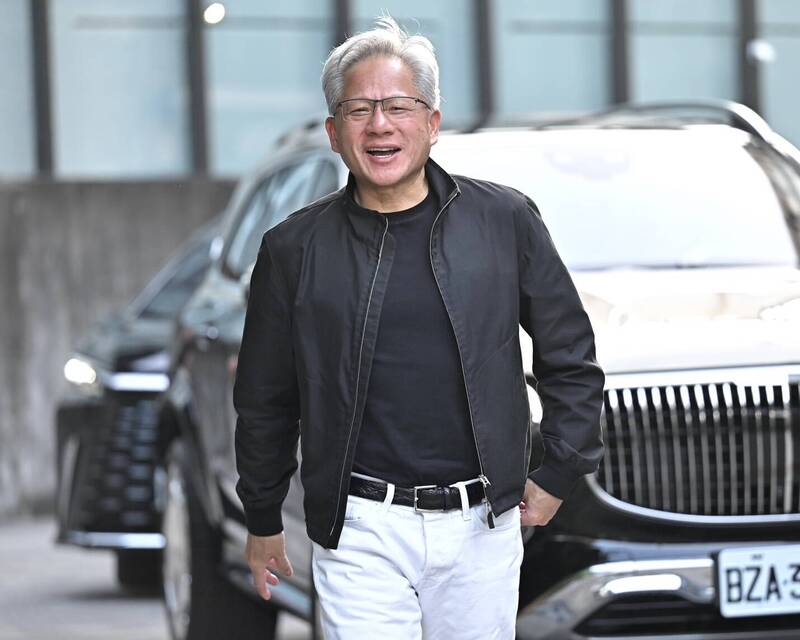
NVIDIA CEO Jensen Huang arrived at Taipei Songshan Airport on May 23, 2026, several days ahead of schedule. He immediately attended the Meet-A-Claw developer event in Nangang to promote agentic AI, signaling a strategic shift toward personal AI operating systems and preparing for the massive rollout of the Vera Rubin platform.
The ‘Lobster’ Strategy and the Shift to Agentic AI
The centerpiece of Huang’s early arrival was a visit to the Nangang Bottle Cap Factory for the Meet-A-Claw developer conference. The event focused on OpenClaw, an open-source AI agent tool whose lobster logo has sparked a viral trend where users refer to the installation and utilization process as raising lobsters
. As Liberty Times Net reported, OpenClaw allows users to automate writing, develop code, and manage files directly on their devices.
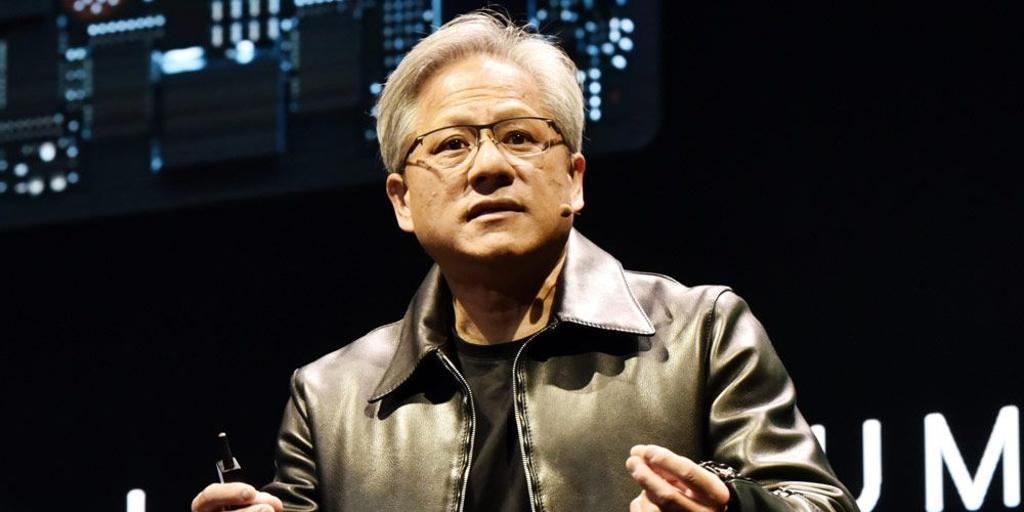
This is not merely a software update; it is a pivot in how AI interacts with hardware. Huang described OpenClaw as the next ChatGPT
and characterized it as the operating system for agentic computers
.
To bridge the gap between open-source enthusiasts and corporate needs, NVIDIA introduced NemoClaw in March. This enterprise-grade platform utilizes a single-command installation for the Nemotron model and OpenShell execution environment. According to the Commercial Times, NemoClaw incorporates sandbox mechanisms, privacy controls, and security protocols to ensure autonomous agents can operate safely between local and cloud environments.
By moving the battleground to edge AI and personal agents, NVIDIA is extending its dominance from the data center into the local compute space. The goal is a world where autonomous agents monitor inboxes and provide customized decision briefings without human intervention.
Vera Rubin: A Massive Supply Chain Stress Test
While the software shift captures the headlines, the hardware logistics are staggering. Huang announced that the next-generation Vera Rubin platform is expected to ramp up production in the second half of 2026. This launch is not just a product cycle; it is a logistical feat involving nearly 2 million parts per system.
The scale of this deployment requires a coordinated effort from 100 to 150 ecosystem partners. As Liberty Times Net noted, Huang believes this will be the most significant product launch in Taiwan’s history, surpassing the eras of the PC, smartphone, and laptop.
Taiwan’s supply chain will be very busy in the second half of the year. Currently, they are in full production of GB series AI servers, and at the same time, they must start the ramp-up for Vera Rubin.
The pressure on Taiwan’s manufacturers is immense. NVIDIA must plan its products two to three years in advance, and the immediate future involves managing the overlap between existing GB series production and the ascent of Vera Rubin. For the Taiwanese ecosystem, this means a period of intense capacity utilization and rapid scaling.
Strategic Diplomacy and the Trillion-Dollar Banquet
Huang’s itinerary is a masterclass in industrial diplomacy. Beyond the developer events, he is conducting a series of high-stakes meetings with the architects of the AI era. His schedule includes visits with TSMC Chairman C.C. Wei and TSMC founder Morris Chang.
The social calendar is equally calculated. The Commercial Times highlights the upcoming Trillion-Dollar Banquet on May 28, where Huang will dine with the heads of Taiwan’s AI supply chain. This gathering serves as a synchronization point for the industry before the official GTC Taipei and Computex events.
- May 23: Arrival at Songshan Airport and attendance at the Meet-A-Claw event.
- May 27: Potential event to break ground on the NVIDIA Taiwan headquarters in the North Taipei Science Park, where design plans may be revealed.
- May 28: The Trillion-Dollar Banquet with supply chain leaders.
- June 1: Keynote speech at the Taipei Music Center.
- June 2: Global media press conference and Computex appearances.
Hardware Inflation and Compliance Hurdles
Despite the optimism, Huang addressed several systemic risks facing the industry. Memory price inflation is a primary concern, which Huang described as a form of inflation that poses a challenge for consumers. He called on memory manufacturers to increase capacity quickly to stabilize the market.
On the regulatory front, the CEO had to address a sensitive legal matter. Taiwanese prosecutors recently investigated allegations that Supermicro AI servers equipped with high-end NVIDIA chips were illegally resold to China, Hong Kong, and Macau. As reported by Yahoo News, Huang emphasized that NVIDIA strictly communicates global regulations to all partners and insists on total compliance.
I hope Supermicro can strengthen and improve compliance to avoid similar situations in the future.
Huang also signaled NVIDIA’s expansion into the CPU market, specifically mentioning the Vera CPU for data centers. He noted that as agentic AI becomes more sophisticated, it increasingly relies on tools that run on CPUs, opening a new revenue stream for the company. This expansion, coupled with the geopolitical stability signaled by recent high-level meetings between U.S. and Chinese leadership, positions NVIDIA to maintain its growth trajectory into 2027.