
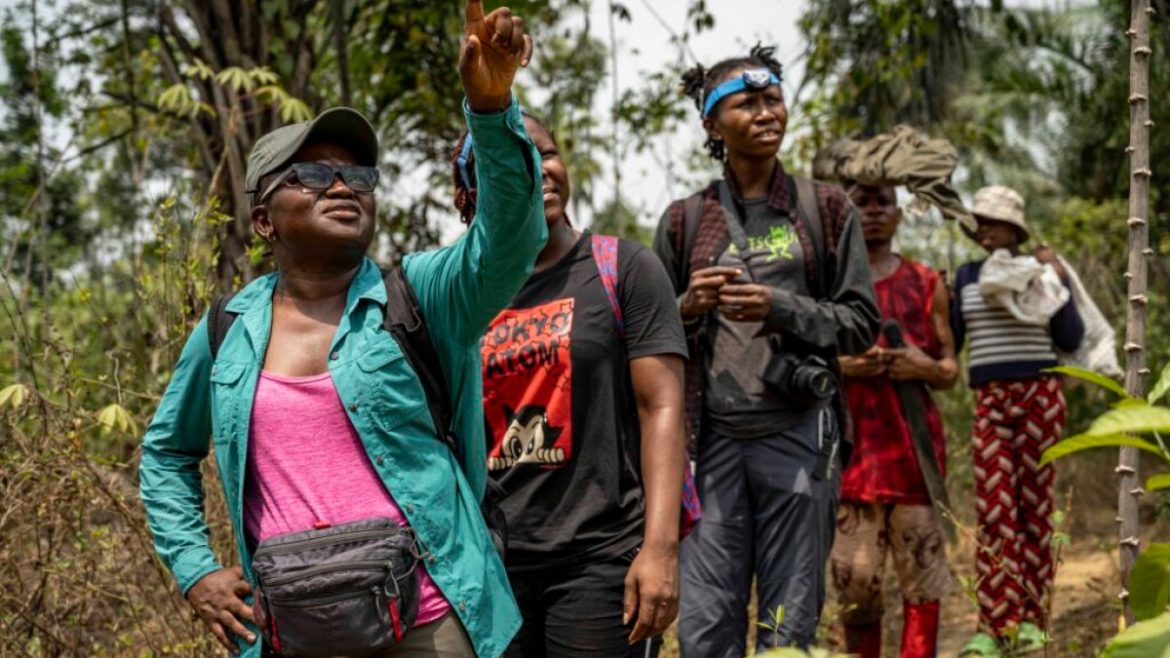
Six women from six different countries have won the 2026 Goldman Environmental Prize, marking the first all-female cohort in the award’s 37-year history.
The recipients are Iroro Tanshi of Nigeria, Borim Kim of South Korea, Sarah Finch of the United Kingdom, Theonila Roka Matbob of Papua New Guinea, Alannah Acaq Hurley of the United States, and Yuvelis Morales Blanco of Colombia.
Each winner receives $200,000 (approximately €185,000 or £158,000) in recognition of grassroots efforts to combat climate change and protect biodiversity.
Yuvelis Morales Blanco, 24, led a successful campaign to block commercial fracking in Colombia after a 2018 oil spill devastated her community along the Magdalena River, where she grew up in a family of fishermen.
Her activism, which included organizing protests and facing intimidation, helped elevate fracking as a national issue during Colombia’s 2022 election and forced temporary relocation for her safety.
Borim Kim, founder of Youth 4 Climate Action in South Korea, secured a landmark ruling from the country’s Constitutional Court that the government’s climate policy violates the rights of future generations — the first successful youth-led climate litigation in Asia.
Sarah Finch, the European winner, told The Times she will leverage her prize money to continue fighting fossil fuel expansion in the UK.
The Goldman Environmental Prize, often called the “Green Nobel,” has been awarded annually since 1989 by the Goldman Environmental Foundation, established by philanthropists Richard and Rhoda Goldman.
John Goldman, vice president of the foundation, said the 2026 winners prove that “courage, hard work, and hope go a long way toward creating meaningful progress” in environmental protection.
Why is this year’s Goldman Prize historically significant?
It’s the first time since the prize’s inception in 1989 that all six regional winners are women, highlighting the growing leadership of women in global environmental activism.
What common theme connects several of the 2026 winners’ work?
At least three of the recipients — Morales Blanco, Kim, and Finch — focused their efforts on opposing fossil fuel projects, including fracking, inadequate climate policy, and oil industry expansion.