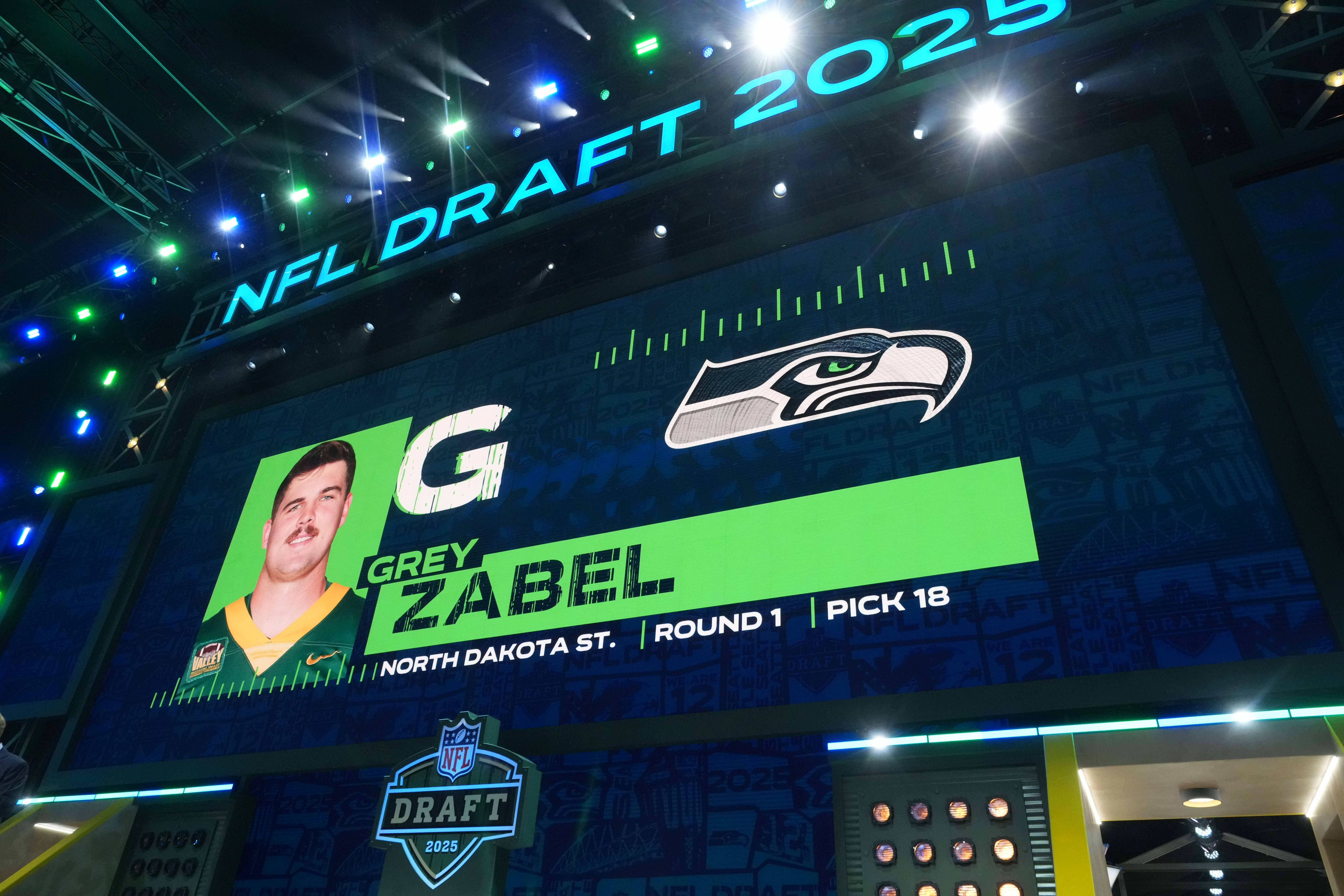
The Seattle Seahawks added eight new players to their roster through the 2026 NFL Draft, doubling their original allocation without surrendering any of their first three round picks, yet now face a tight squeeze as they prepare to sign undrafted free agents.
General manager John Schneider maneuvered the team from four initial selections to eight by trading future capital, a strategy that left the club with precisely eight spots available in the 90-man offseason roster for undrafted rookies — factoring in one international exemption for kicker Federico Maranges — before any cuts become necessary.
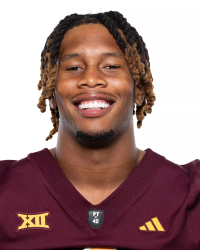
The draft itself addressed what analysts identified as the team’s most pressing need: replacing departing star running back Kenneth Walker III. With the 32nd overall pick, Seattle selected Notre Dame’s Jadarian Price, a player who spent much of his college career backing up Jeremiyah Love but whose versatility as a blocker, receiver, and runner drew immediate praise as a schematic fit for the Seahawks’ zone-blocking scheme.
Analysts were divided on the selection’s value. Even as some viewed it as a necessary response to Walker’s free agency departure and Zach Charbonnet’s ongoing injury concerns, others questioned whether Price’s selection represented a reach given the thin class of elite running backs available. His lack of elite straight-line speed drew note, though his vision, lateral agility, and breakaway potential drew comparisons to Hall of Famer Terrell Davis.
Beyond the first round, Seattle added a wide receiver, an offensive lineman, a defensive lineman, and four defensive backs — a class designed to bolster depth without disrupting the core of a young roster many described as a championship-contending unit.
For more on this story, see Seahawks draft Notre Dame RB Jadarian Price at No. 32 in 2026 NFL Draft.
Yet the real test of Schneider’s roster management may come in the undrafted market, where the Seahawks have historically found hidden gems. Under his tenure, undrafted players like Doug Baldwin, Jermaine Kearse, and Poona Ford have become starters, while recent successes such as Jared Ivey and Connor O’Toole made the 53-man roster despite going unpicked.
This year’s constrained environment — where every undrafted signing risks displacing an existing roster member — raises the stakes for a process that has long been a source of low-cost, high-reward talent for Seattle. The team’s ability to continue finding contributors outside the traditional draft framework will test whether their recent success in that area was skill or circumstance.
The tension between investing draft capital in immediate needs and preserving flexibility for undrafted talent reflects a broader challenge in modern NFL roster construction: balancing short-term fixes with long-term development.
While the draft addressed the running back vacancy with a player expected to assume a primary role, the undrafted pool remains where Seattle has historically uncovered players who outperform their draft status — a tradition that may now face its most constrained test in years.
How many undrafted free agents can the Seahawks sign without cutting existing players?
The Seahawks have room for exactly eight undrafted free agents before they must commence cutting players from their 90-man offseason roster, based on their current count of 75 players plus eight new draft picks, with one spot already allocated to international exemption kicker Federico Maranges.

Why did the Seahawks select Jadarian Price in the first round despite his limited college usage?
Analysts cited the departure of Kenneth Walker III and injury concerns with Zach Charbonnet as motivating factors, noting Price’s versatility as a blocker, receiver, and runner made him a schematic fit for Seattle’s offense, even if his selection was viewed by some as a reach in a thin running back class.