
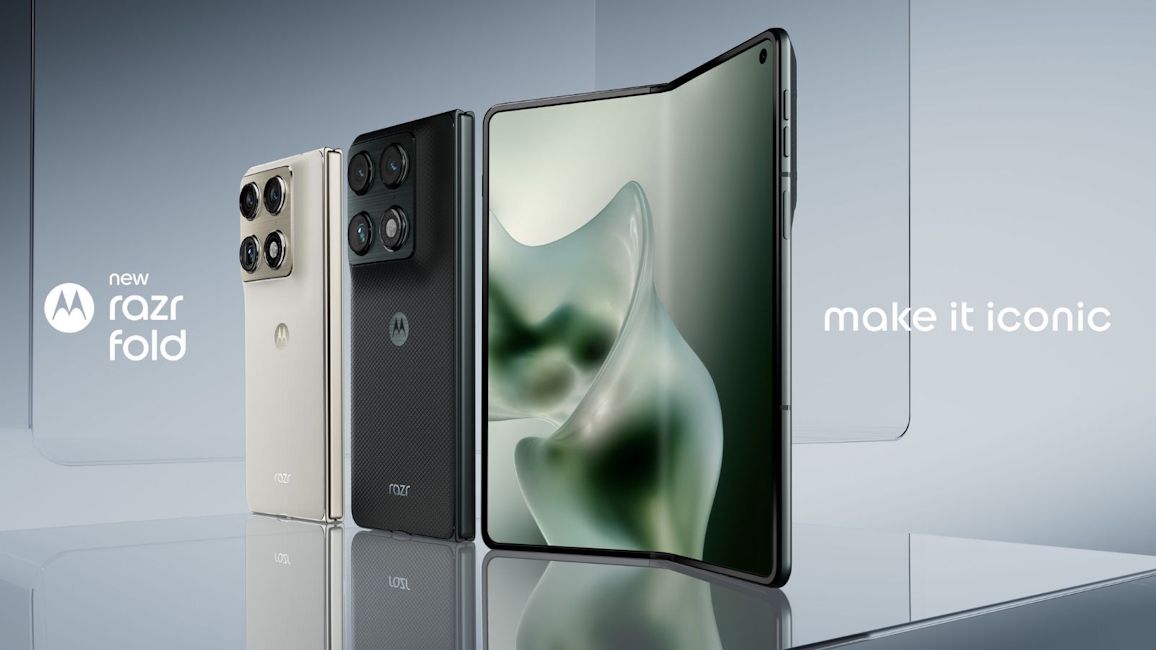
Motorola’s Razr Fold 5G, released April 18, 2026, is the first foldable phone to combine a 6.9-inch outer display with a 6.7-inch inner screen, but its 6,000mAh battery falls short of the 8,000mAh claims in recent rumors. Meanwhile, OnePlus’s Open Apex Edition 6G, announced for 2026, is positioning itself as a premium foldable with an 8,000mAh battery and 6G-ready hardware.
Motorola Razr Fold 5G: The First Foldable with Dual 6,000-Nit Screens
Motorola’s Razr Fold 5G, launched April 18, 2026, marks the company’s entry into the foldable smartphone market with a design that revives its iconic Razr lineage. The device features a 6.9-inch outer display and a 6.7-inch inner screen, both with 6,000-nit brightness, and supports 5G connectivity across a broad range of bands. While the phone’s foldable form factor and display technology have been widely praised, its battery capacity—6,000mAh—does not match the 8,000mAh claims circulating in recent headlines.
Motorola’s Razr Fold is notable for its slim profile, measuring just 9.9mm when folded, and its integration with the company’s Pen Ultra stylus. The device also includes five cameras and runs on the Snapdragon 8 Gen 5 chipset, aligning it with the performance expectations of high-end foldables. Despite its premium features, the Razr Fold’s battery life remains a point of discussion, as users and reviewers continue to assess whether the 6,000mAh cell meets the demands of daily use.
OnePlus Open Apex Edition 6G: The 8,000mAh Foldable
OnePlus has announced the Open Apex Edition 6G, a foldable smartphone designed to push the boundaries of battery life and performance. The device is expected to feature an 8,000mAh battery, making it one of the few foldables to offer such a high capacity. OnePlus has emphasized the phone’s premium build, advanced hardware, and readiness for 6G connectivity, positioning it as a long-term investment for tech enthusiasts.
The Open Apex Edition 6G is part of OnePlus’s broader strategy to refine the foldable experience, focusing on durability, power, and convenience. While the exact release date has not been confirmed, the device’s specifications suggest a significant leap forward in battery technology for foldable smartphones. OnePlus’s approach contrasts with Motorola’s Razr Fold, which prioritizes display innovation and stylus integration over battery capacity.
Other 8,000mAh Phones: Non-Foldable but High-Capacity
While foldable smartphones with 8,000mAh batteries remain rare, several non-foldable models have already entered the market with similar capacities. TECNO’s POVA Curve 2 5G, released in February 2026, features an 8,000mAh battery housed in a 7.42mm-thin frame, challenging the notion that large batteries must come with bulk. Realme’s Neo 8, launched January 22, 2026, also boasts an 8,000mAh battery in an 8.3mm-thin chassis, while the Realme 16T 5G, set for release May 22, 2026, continues this trend with the same high-capacity cell.
Xiaomi’s upcoming 17 Max is rumored to feature an 8,000mAh battery, further solidifying the trend of high-capacity batteries in flagship devices. These phones demonstrate that battery technology has advanced to the point where even non-foldable devices can achieve significant endurance without sacrificing portability.
The Future of Foldable Smartphones
The release of Motorola’s Razr Fold 5G and OnePlus’s Open Apex Edition 6G highlights the evolving priorities in the foldable smartphone market. While Motorola focuses on display technology and stylus integration, OnePlus is betting on battery life and 6G readiness. Meanwhile, non-foldable phones continue to push the limits of battery capacity, offering users more endurance without the complexity of a foldable design.
As the market matures, consumers can expect to see more innovation in both foldable and non-foldable segments. The challenge for manufacturers will be balancing battery life, display technology, and overall form factor to create devices that meet the diverse needs of users.
What remains clear is that the era of experimental foldable phones is over. The technology has matured, and brands are now competing to deliver practical, high-performance devices that redefine what users expect from their smartphones.