
The Stage Lights Didn’t Dim the Pain
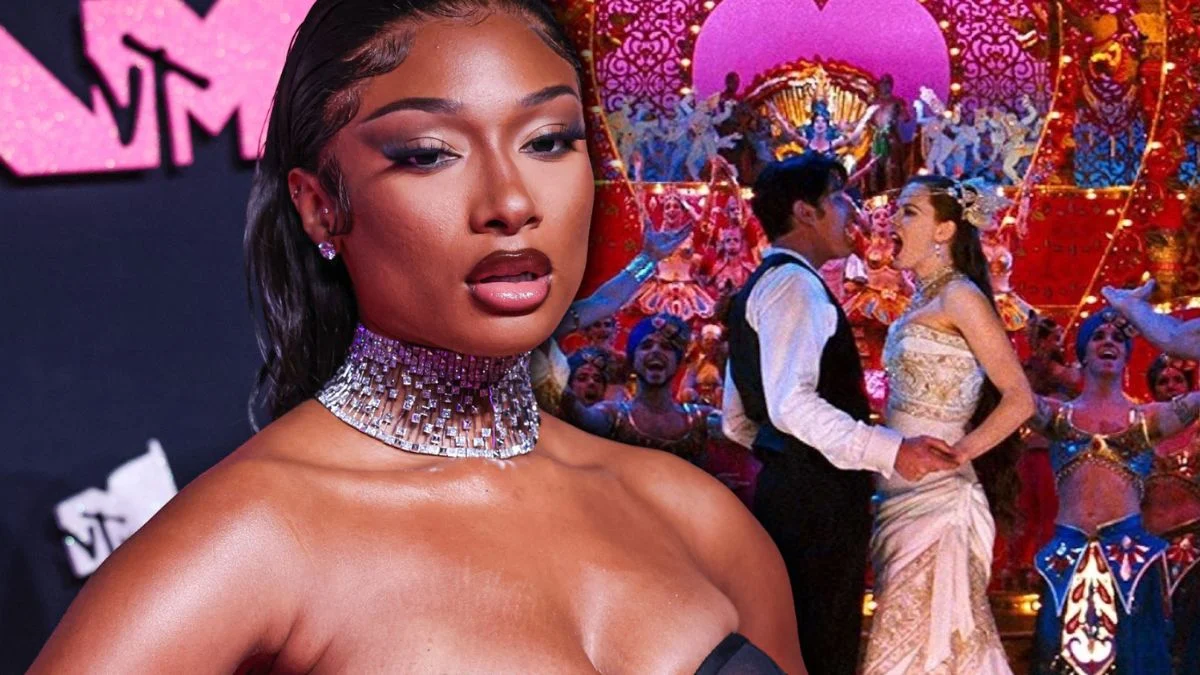
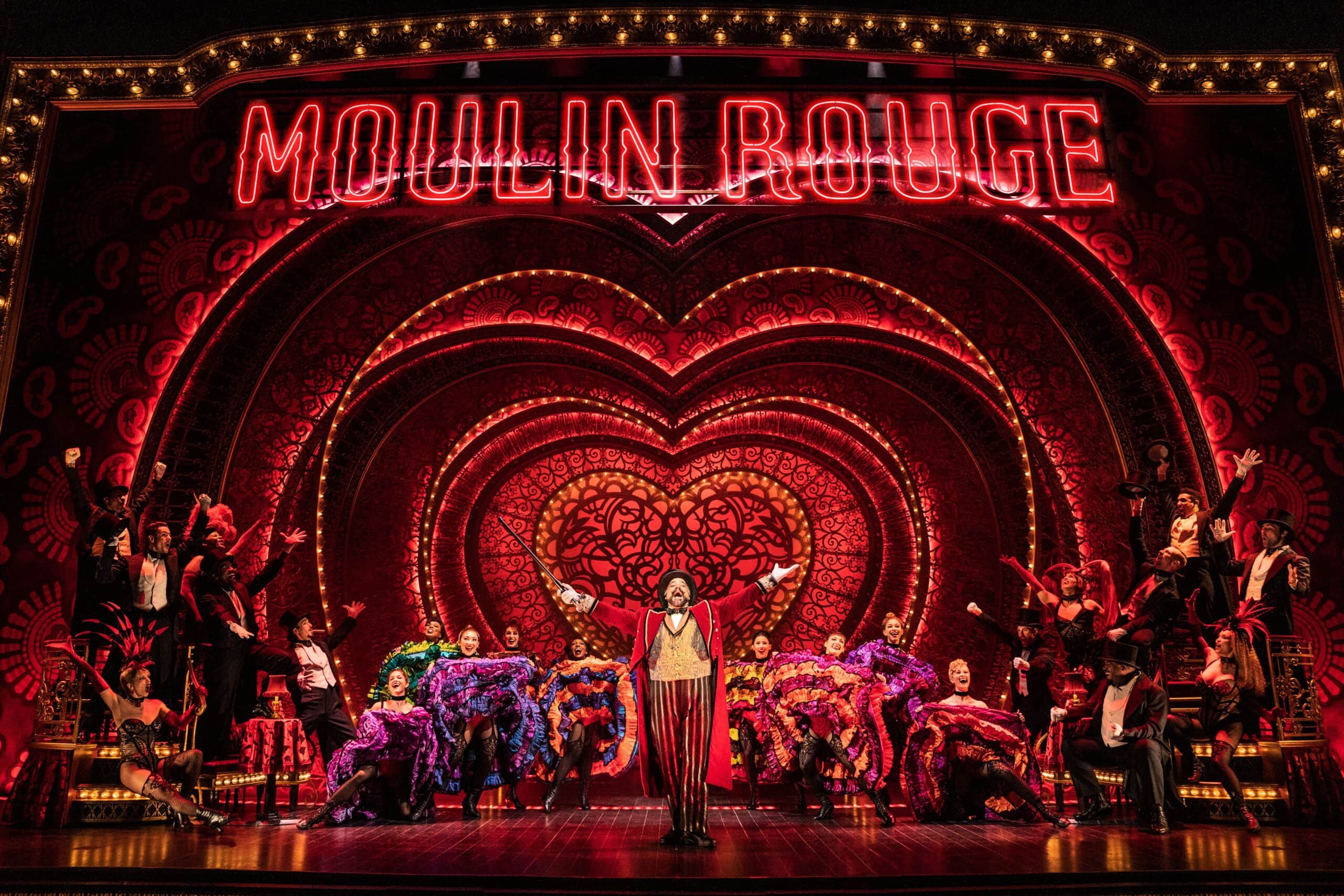
Under the gilded chandeliers of Broadway’s Al Hirschfeld Theatre, Megan Thee Stallion took on the role of Harold Zidler—a part reimagined as the first woman to portray the *Moulin Rouge!*’s flamboyant impresario. The casting was a bold statement, a gender-bending twist on a character previously embodied by performers like Boy George and Bob the Drag Queen. For Megan, it represented an opportunity to showcase her versatility beyond music, stepping into a world where success is measured by live performance rather than streaming metrics.
Instead, the run became a test of endurance. In early April, she collapsed during a performance and was hospitalized for what officials described as extreme exhaustion. The incident underscored the physical demands of Broadway, where eight-show weeks are standard and even experienced performers describe the schedule as grueling. For an artist more accustomed to the rhythms of touring, the shift to theater’s unyielding expectations—vocal precision, choreography, and the pressure of nightly perfection—proved challenging. The hospitalization served as a reminder of the toll such a schedule can take.
Days later, she addressed her breakup with Klay Thompson in a candid Instagram post, accusing him of infidelity and emotional instability. The timing of the post, just before her final performance, added a layer of complexity to her exit. For an artist whose brand is built on confidence, the public acknowledgment of personal struggles marked a shift. Her farewell message struck a balance between gratitude and exhaustion, thanking the cast and crew while hinting at the difficulties she faced during the run.
Broadway’s Celebrity Gamble
Megan’s early exit highlights the risks inherent in celebrity casting on Broadway. While star power can draw audiences, the strategy is not without its challenges. Performers like Daniel Radcliffe and Jake Gyllenhaal have successfully navigated limited runs, but their transitions were often supported by prior theater experience. For artists like Megan, whose careers are rooted in music, the learning curve can be steep. The physical demands of theater are well-known, but the emotional labor—performing live, without retakes, in front of an audience—can be equally taxing.
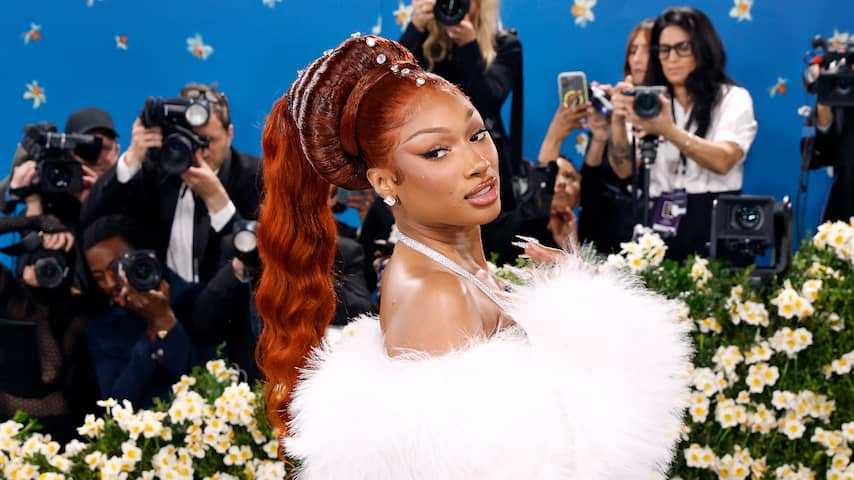
The production’s response to Megan’s departure has been limited, with no public statements from castmates or crew. This silence reflects Broadway’s dual nature: a close-knit community that is also a business. When a celebrity leaves early, the show continues, but questions remain. Was the support system adequate? Did the role’s demands align with the expectations set for her? Or was this an example of two industries—music and theater—colliding in ways that are difficult to reconcile?
Her exit also serves as a reminder of the precarious nature of celebrity crossovers. While some artists, like Lin-Manuel Miranda, have seamlessly transitioned between music and theater, others have faced challenges. Recent examples include performers who left productions early due to the emotional and physical strain of their roles. These departures are not failures but rather illustrations of theater’s unique pressures. For artists accustomed to the flexibility of music, the relentless pace of Broadway can be overwhelming.
The Cost of Being a ‘Hot Girl’
Megan Thee Stallion’s role in *Moulin Rouge!* was more than just a performance; it was an extension of her public persona. The “Hot Girl” brand—bold, unapologetic, and resilient—has been a cornerstone of her identity in music. On stage, it translated into a commanding presence, but off stage, it carried expectations of invincibility. When personal struggles surfaced, they became part of the public narrative, scrutinized by fans and media alike.
The breakup with Klay Thompson unfolded in real time, with allegations of infidelity and emotional volatility playing out on social media. The timing was particularly difficult, as she was simultaneously navigating the demands of her Broadway debut. Her fanbase, the “Hotties,” rallied in support, filling the theater with energy, but even their enthusiasm couldn’t fully shield her from the exhaustion of the experience. In her farewell message, she expressed gratitude for their support, though the underlying strain was evident.
The breakup also reignited discussions about the pressures of celebrity relationships. Thompson’s dating history has been a frequent topic of public interest, and Megan’s accusations fit into a broader pattern of scrutiny. For Megan, however, the stakes were higher. As she balanced the demands of a high-profile theater role, the personal turmoil became a distraction she could ill afford. The public nature of the breakup added another layer of complexity to an already challenging period.
What’s Next for Megan—and Broadway?
Megan’s departure from *Moulin Rouge!* leaves unanswered questions about her future in theater. While the experience was meaningful, it also revealed the limits of her endurance. For now, Broadway will continue without her, but her exit has sparked broader conversations about how the industry supports celebrity performers.
The physical demands of theater are well-documented, but the emotional toll is often less visible. For artists transitioning from music, the shift can be particularly jarring. Megan’s experience raises important questions: Is the industry doing enough to prepare and support these performers? Are the expectations placed on them realistic, or are they set up for challenges that even the most talented artists may struggle to meet?
As for Megan, her path forward remains uncertain. She has since entered a new relationship, one that has remained largely private—a contrast to the public nature of her previous one. The breakup with Thompson may have been a contributing factor to her exit, but the exhaustion of the role was the primary challenge. Broadway didn’t break her, but it did force her to confront her limits. For an artist who has built her career on pushing boundaries, that may be the most difficult lesson of all.
The entertainment world will be watching to see what she does next. Will she step back from the spotlight, or will she continue to explore new artistic challenges? One thing is clear: the “Hot Girl” persona remains intact, but after *Moulin Rouge!*, it’s evident that even the most resilient performers need moments of respite.


